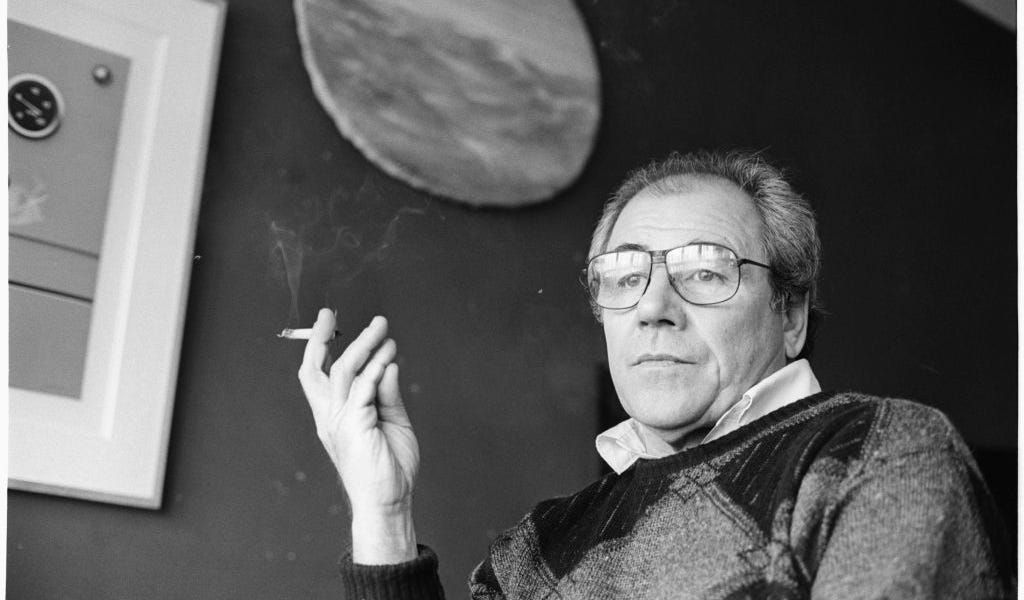
The Simulated Longing: How manufactured Nostalgia Fuels the Rise of Reactionary Politics & the Specter of Fascism
The current political landscape, particularly the fervent embrace of “trad wife” aesthetics and reactionary ideologies, isn’t simply a resurgence of old beliefs. It’s a symptom of a deeper malaise: a profound spiritual and experiential poverty born from a hyper-real, increasingly simulated world. What appears as a backward glance is, in reality, a desperate clinging to comforting representations of the past, a past that likely never existed as fondly remembered. This isn’t about genuine yearning for a simpler life; it’s about the trauma of losing the illusion of one.
For decades, Western societies have traded authentic experience for curated consumption. We’ve built our identities around brands, experiences packaged for mass appeal, and a carefully constructed sense of belonging. Places like Cracker Barrel, with their manufactured Americana, aren’t valued for what they are – a chain restaurant – but for what they represent: a nostalgic, sanitized version of small-town America. This reliance on commodified experiences has created a dangerous vulnerability. When these simulations are disrupted, or even simply questioned, the reaction is frequently enough visceral, even furious. Consider the outrage from gamers when their virtual worlds are altered; this isn’t about losing a game, it’s about losing a carefully constructed reality, a space where they felt a sense of control and belonging.
This phenomenon, as French theorist Jean Baudrillard predicted, leads to a “panic-stricken production” of simulacra and simulations – copies without originals. The reactionary right has expertly capitalized on this, offering a narrative that validates this longing. They don’t offer solutions to real problems like economic insecurity or social isolation; they offer a comforting lie: “They are taking your beloved things.” This effectively shuts down critical thinking. Why question systemic failures when you can simply blame an external enemy for disrupting your curated comfort?
The Spiritual Void & the Allure of Manufactured Tradition
The core issue isn’t simply political; it’s spiritual. The erosion of genuine community, the decline of shared experiences, and the relentless pursuit of individualistic consumption have left a void. Hannah Arendt described this as “worldlessness” - the absence of a common world and shared understanding. Without this common ground, societies become susceptible to absurd hysterias and easily manipulated by narratives that offer a sense of belonging, even if that belonging is built on falsehoods.
Attempting to point out the artificiality of these comforts, to suggest that “red-brand slop” isn’t a substitute for a fulfilling life, is often met with accusations of elitism. This is because the alternative – acknowledging the emptiness – is too daunting. Conservatism, in this context, isn’t about preserving values; it’s about protecting and hoarding these old-seeming simulations. The recent explosion of AI-generated “traditionalism” – idyllic images of a past that never was – is a prime example. It’s a desperate attempt to manufacture authenticity in a world devoid of it.
From Hyperreality to the Shadow of Fascism
This brings us to the unsettling question of fascism. While customary understandings of fascism emphasize nationalistic fervor and a strong leader, Baudrillard argued that the conditions of hyperreality – a society saturated with simulations – actually generate the conditions for its emergence.
he posited that fascism arises from a collective demand for “signs of power” in a world where power itself has become a hollow spectacle. It’s a longing for a tangible authority, a “strong referential,” in a society grappling with the “melancholy of societies without power” - societies where democratic will feels impotent and unheard. This isn’t necessarily about a conscious desire for authoritarianism, but a desperate search for something to beleive in, something to fill the void left by the collapse of meaning.
Baudrillard wrote: “When it has totally disappeared, we will logically be under the total hallucination of power – a haunting memory that is already in evidence everywhere, expressing at once the compulsion to get rid of it (no one wants it anymore, everyone unloads it on everyone else) and the panicked nostalgia over its loss.”
Consider the proliferation of conspiracy theories. They aren’t simply irrational beliefs; they are a desperate attempt to locate power, to identify an enemy, to believe that someone is in control, even if that control is malevolent. They represent a “nostalgia for the reality of political power” in a situation where individuals feel utterly powerless.
Navigating the Simulated landscape
The challenge, then, isn’t simply to
Related reading