Poland to Reopen Border with belarus Following Military Exercise Conclusion
Poland will reopen its border with Belarus at midnight on Thursday, effectively ending a nearly two-week closure. Prime Minister Donald Tusk announced the decision, citing a reduced threat level following extensive military exercises.
The Polish government initially closed all border crossings on September 12th. This action was a direct response to the large-scale “Zapad 2025” military drills conducted jointly by Belarusian and Russian forces.
These war games heightened concerns among NATO allies. They followed a series of unprecedented incursions of Russian drones into Polish airspace, raising fears that the conflict in ukraine could escalate and spread.
Tusk explained that the conclusion of these exercises diminishes, though doesn’t eliminate, potential threats. He also highlighted the economic impact on Polish carriers and railways as a key factor in the decision.
Though, Tusk emphasized Poland’s readiness to reimpose restrictions if tensions rise again. He stated that the government “will not hesitate and we will make appropriate decisions” to protect national security.
The interior minister will issue a formal regulation to reopen both road and rail crossings. This move aims to restore vital trade routes.
Economic Impact of the Closure
The European Commission closely monitored the economic consequences of the border closure. It effectively halted a significant railway trade route connecting the European Union and China.
This disruption reportedly impacted approximately €25 billion in annual goods trade. While substantial, this figure represents a relatively small fraction of the overall €732 billion in EU-China trade in 2024, the majority of which occurs via sea routes.
Poland has already implemented significant restrictions on road traffic with Belarus since the summer of 2021.These measures were taken in response to accusations that Minsk was deliberately orchestrating the movement of migrants across the border.
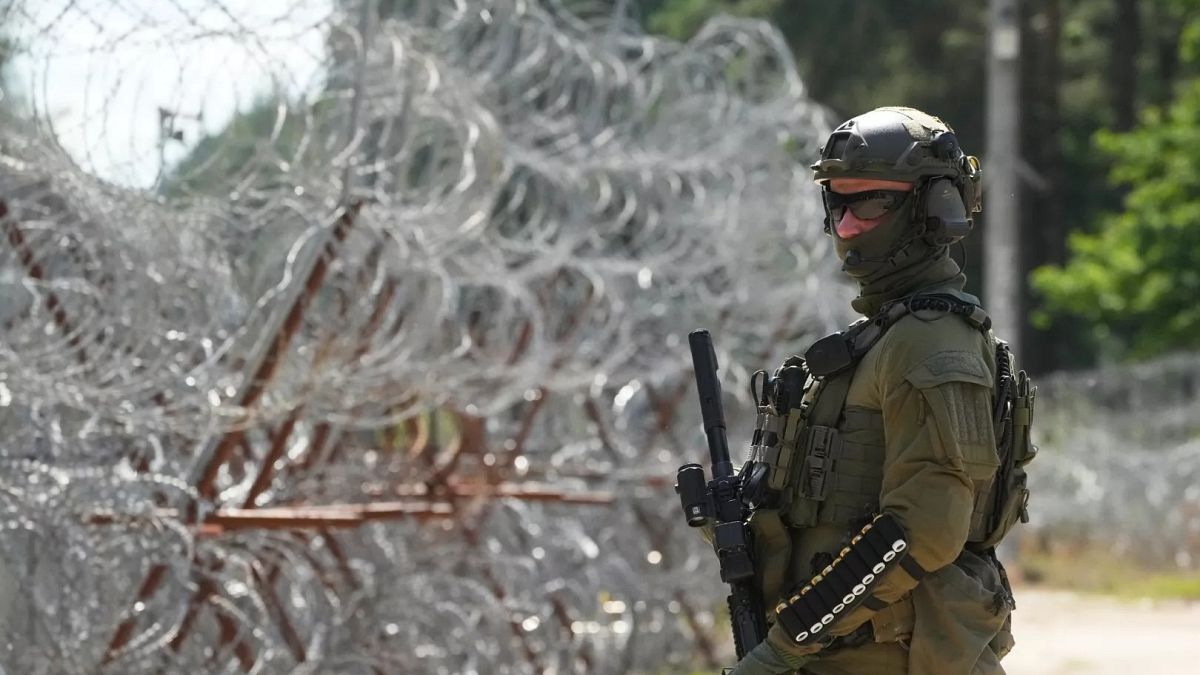
Consequently, Warsaw invested heavily in border security. This included the installation of high-tech steel fences, deployment of military personnel, and the creation of a restricted “no-go” buffer zone along the border.
You can expect continued vigilance and a proactive approach to border security from Poland. The government remains committed to safeguarding its interests and responding decisively to any future threats.