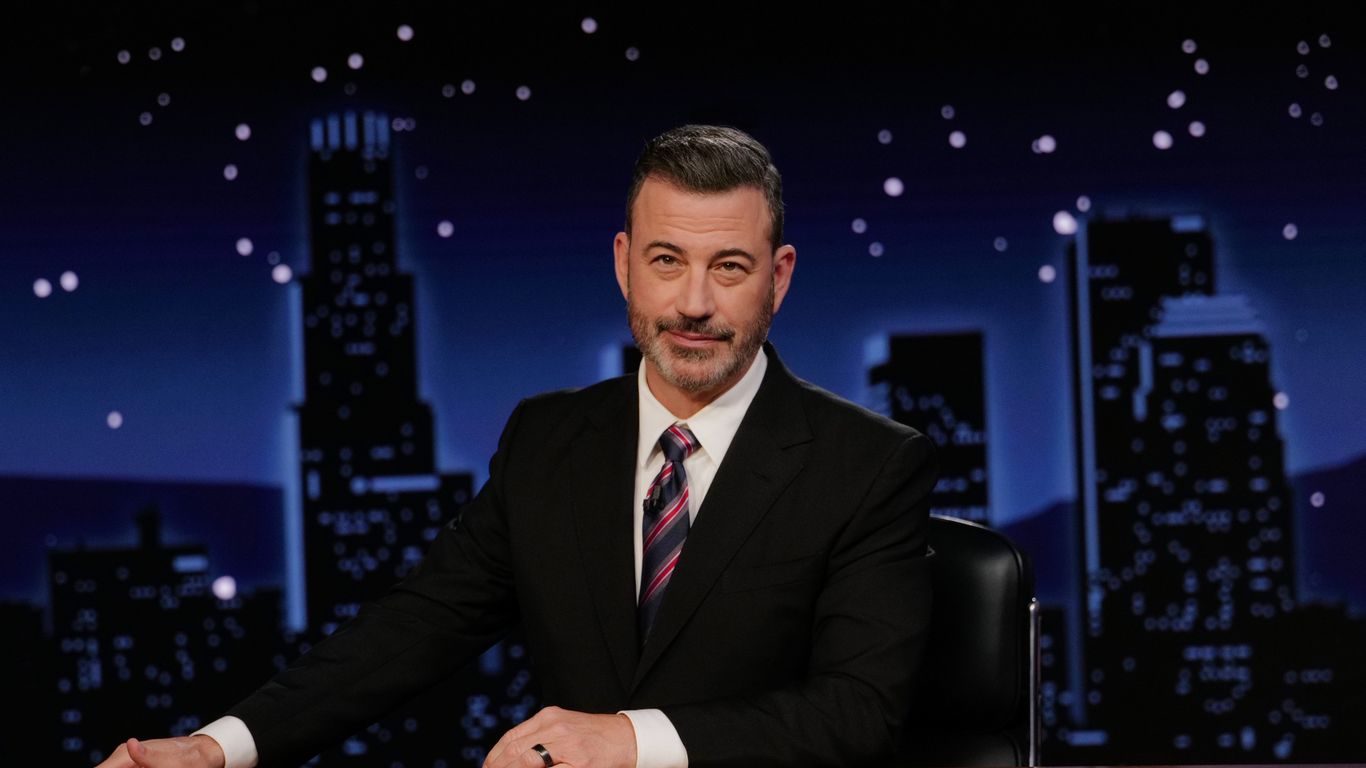
Jimmy Kimmel Addresses Controversy & FCC Scrutiny: A Deep Dive into Free Speech and Network Pressure
The recent monologue by Jimmy Kimmel, addressing the shooting of conservative commentator Charlie Kirk, ignited a firestorm of controversy, drawing criticism from Republicans, a questionable statement from an FCC Commissioner, and raising serious questions about the boundaries of free speech and network influence. This article breaks down the situation, explores the implications, and offers context on the broader concerns surrounding political pressure on late-night television.
The Spark: Kimmel’s Monologue and the Backlash
Kimmel’s segment, aired on September 10th, touched on the shooting of Charlie Kirk, a prominent figure in conservative media. While Kimmel stated he didn’t intend to blame any specific group, some perceived the monologue as insensitive and perhaps inciting violence. this led to immediate backlash, particularly from conservative circles.
Former president Donald Trump then escalated the situation, suggesting the revocation of ABC’s broadcast licenses – a move that would effectively pull Kimmel’s show off the air. This prompted a swift and concerning response from FCC Commissioner Brendan carr.
A Troubling Threat: The FCC Commissioner’s Intervention
Carr initially posted on X (formerly Twitter) suggesting that ABC could face consequences for Kimmel’s remarks, framing it as a potential violation of FCC regulations.He alluded to the possibility of “additional work for the FCC” if companies didn’t “change conduct and take action” against Kimmel.
This statement was widely condemned as a direct violation of the first Amendment. It also raised alarms about the potential for political interference within an agency designed to be independent.Carr later clarified his remarks, stating he was referring to “news distortion” generally, but the initial impression of a threat remained.
Kimmel’s Response: Defending Free Speech and Acknowledging Concerns
Kimmel directly addressed the controversy on his show, delivering a passionate defense of free speech and acknowledging the hurt his monologue caused. He emphasized that his intention wasn’t to blame anyone for the actions of a “deeply disturbed individual.”
Here’s a breakdown of his key points:
* No Blame intended: Kimmel clarified he didn’t aim to assign blame to any group for the shooter’s actions.
* Sensitivity Acknowledged: He recognized that the timing and delivery of the monologue may have been perceived as insensitive, and apologized for any offense caused.
* Freedom of Speech is Paramount: Kimmel passionately argued that the ability to satirize and critique those in power is essential to American democracy.
* Personal Risk: He highlighted the dangers faced by comedians in countries where free speech is suppressed, referencing colleagues who have been jailed or worse.
The Larger issue: Network Pressure and Censorship Concerns
Kimmel also revealed that his show, and Stephen Colbert’s The Late Show, have faced pressure from networks and affiliates. He specifically mentioned the suspension of Colbert’s show and attempts to coerce local affiliates into dropping his own program.
He framed these actions as “not legal,” “not American,” and “unAmerican,” emphasizing the importance of protecting independent broadcasting. This raises a critical question: should networks yield to political pressure, or stand firm in defending their creative freedom?
What’s at Stake: The Future of Political Commentary
This situation isn’t just about Jimmy Kimmel or one monologue. It’s about the broader implications for political commentary and the role of satire in a democratic society.
* Chilling Effect: The threat of FCC intervention,even if walked back,could create a “chilling effect,” discouraging comedians and commentators from tackling controversial topics.
* First Amendment Concerns: Any attempt to regulate or punish speech based on its political content is a clear violation of the First Amendment.
* Erosion of Trust: Political interference in media erodes public trust in both the media and the government.
Looking Ahead: protecting Free Speech in a Polarized Era
The controversy surrounding Kimmel’s monologue serves as a stark reminder of the fragility of free speech and the importance of defending it. You, as a viewer, can play a role by:
* Supporting Independent Media: Seek out diverse sources of information and support outlets that prioritize journalistic integrity.
* Engaging in Civil Discourse: Participate in respectful conversations about challenging issues,even