Ancient maya Dental inlays in Children: unraveling a Mysterious Practice
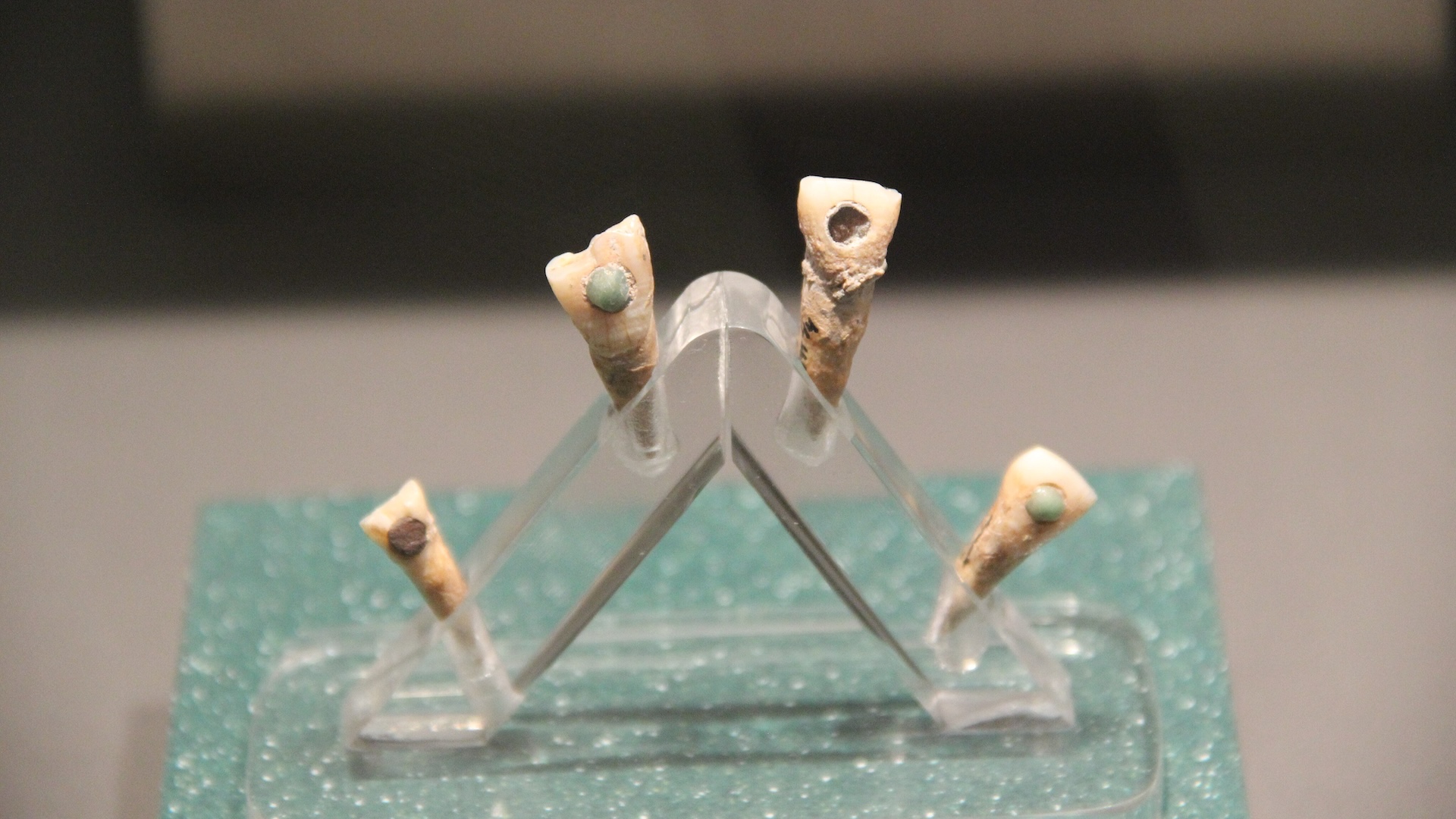
The ancient maya civilization continues to yield engaging insights into their complex culture and beliefs. Recently, a remarkable revelation has sparked renewed interest: dental inlays found in the teeth of Maya children. These aren’t simple fillings; they’re meticulously crafted decorations, raising questions about the purpose and significance of this practice.
A Glimpse into the Past
An analysis of three teeth revealed that the inlays were applied while the children were still alive. This suggests a deliberate and potentially meaningful procedure, rather than a post-mortem ritual. It’s a finding that adds another layer to our understanding of Maya childhood and societal practices.
A Controversial Parallel
Interestingly,this isn’t the first time jade inlays have been found in the teeth of young Maya individuals. Previously, two teeth discovered in Belize hinted at the possibility of inlays being applied to a child as young as three. However,this earlier discovery remains debated. Some researchers suggest the inlays might have been added after death as part of burial rites.
What Could These Inlays Mean?
The purpose of these dental inlays remains a mystery,prompting several intriguing theories. Here are some possibilities researchers are considering:
* Regional Tradition: The practice might have been limited to a specific region or community within the broader Maya world.
* Transition to Adulthood: Perhaps the inlays signified a child’s entry into adulthood, marking the assumption of responsibilities like housework or labor.
* Status Symbol: The inlays could have indicated social status or familial importance.
The Challenge of Interpretation
Determining the true meaning behind these inlays is proving difficult. Until more examples are unearthed, any description remains speculative. The authors emphasize that drawing broad conclusions about the entire Maya civilization based on limited evidence would be premature.
The Need for further Research
Ultimately, unlocking the secrets of these ancient dental inlays requires more archaeological discoveries. Each new finding will contribute to a more complete picture of Maya life and beliefs.Continued research is crucial to move beyond assumptions and establish a more definitive understanding of this intriguing practice.
Unless more cases are documented, interpreting the reasons behind these permanent modifications in young individuals will remain challenging. The Maya civilization continues to captivate and challenge our understanding of the past, and these dental inlays are just one piece of the puzzle.
Test Your Knowledge:
Ancient Maya quiz: What do you know about the civilization that built pyramids across Mesoamerica?
Worth a look