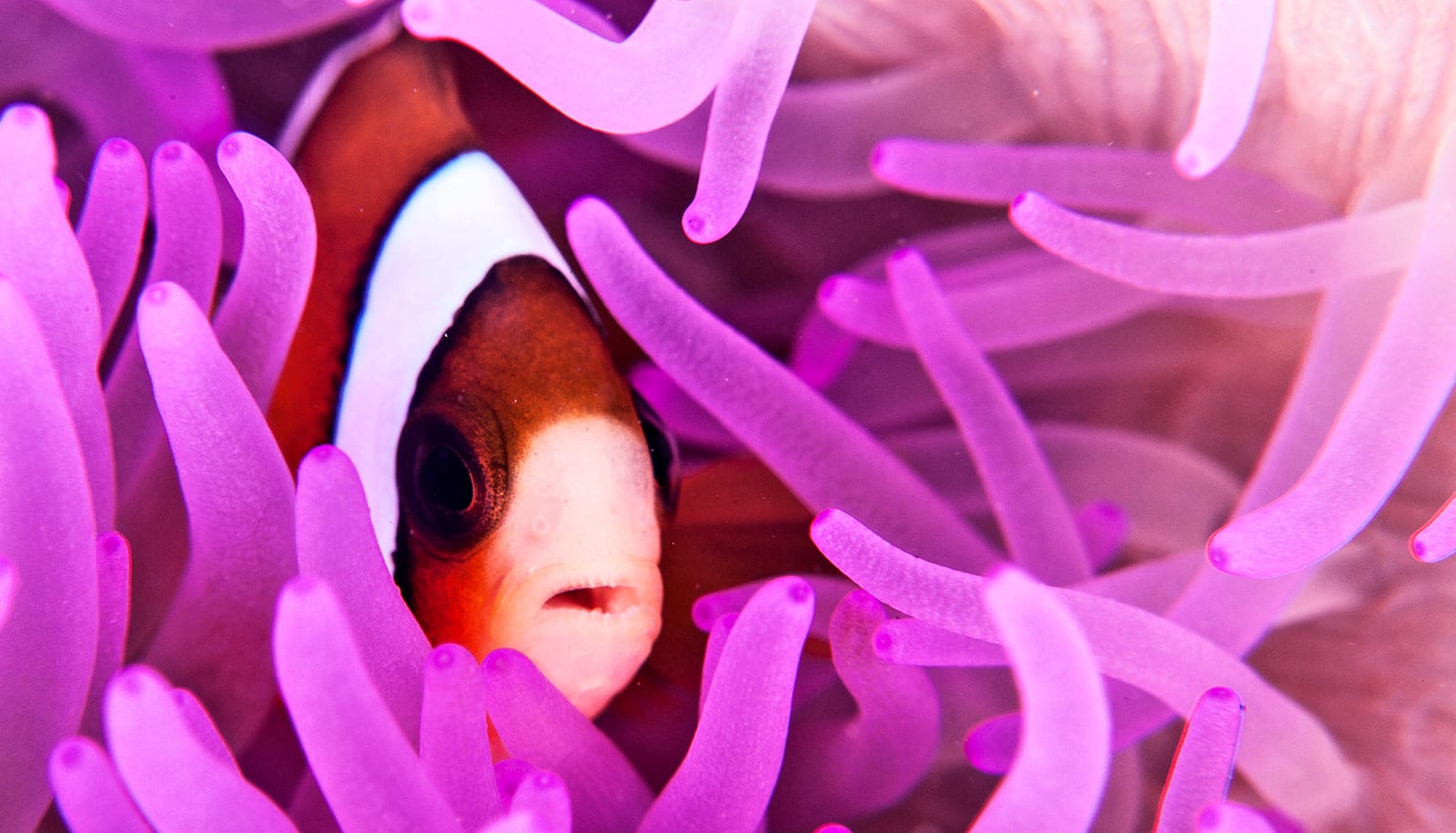
The silent Disappearance of Clownfish: A Climate Change Warning from Our Reefs
For decades, I’ve dedicated my research to the engaging world of anemonefish - the vibrant clownfish we all recognize. What began as a study of their intricate symbiotic relationships has, regrettably, evolved into a critical investigation of their vulnerability to a rapidly changing climate. The story unfolding in reefs worldwide is a stark warning, and one we need to address urgently.
The Rising Tide of Bleaching & Its Impact
while coral bleaching has garnered notable attention, the plight of sea anemones – and the clownfish that depend on them – is often overlooked.I first noticed a concerning trend in 2018 during fieldwork in the Red Sea: a bleached anemone,an exceptionally rare sight at the time. Now, these events are becoming alarmingly frequent and severe.
My team at Boston university, led by researcher Maya Bennett-Smith, is focused on understanding why clownfish populations are declining so rapidly following anemone bleaching. This isn’t simply about a change in scenery; it’s a disruption of a vital, life-sustaining partnership.
A Symbiotic Relationship Under Threat
Clownfish and anemones share a remarkable mutualistic relationship. The anemone provides shelter and protection from predators, while the clownfish help keep the anemone clean and defend it from certain fish. This protection is key to the clownfish’s survival. But when the anemone bleaches – a stress response to warming waters – this protective shield weakens, leaving the fish exposed.
here’s what our research is revealing about the cascading effects:
* Increased Visibility: Luminous orange clownfish become strikingly visible against the stark white of a bleached anemone, making them easier targets for predators.
* Behavioral Changes: Bleaching triggers increased aggression among clownfish, forcing smaller individuals to venture outside the safety of the anemone.
* Reduced Anemone Defense: Preliminary testing, in collaboration with Harvard University, shows that bleached anemones’ stinging cells are less effective, diminishing their protective capabilities.
* Predation Risk: Without the anemone’s protection, clownfish become “sitting ducks,” vulnerable to predators they typically avoid.
beyond Immediate Survival: Long-Term Consequences
The consequences extend beyond immediate mortality. Even if an anemone recovers, a depleted clownfish population is more susceptible to predation by species like butterflyfish, which feed on anemones. This creates a dangerous cycle, hindering the reef’s ability to recover.
anemones are significantly less studied than corals, meaning we’re onyl beginning to understand the full extent of the damage. Our ongoing research in Papua New guinea, where we’ve observed similar bleaching events, is revealing further complexities.
Papua New Guinea Findings: A Shrinking Survival Strategy
Recent work, conducted with colleagues at Newcastle University in the UK, demonstrates a desperate survival tactic employed by clownfish under heat stress: they physically shrink in size. While this may offer temporary relief, it comes at a cost to growth and reproductive potential.
This research underscores a critical point: climate change is no longer a future threat; it’s actively reshaping marine ecosystems now. Every study, every observation, reinforces the urgency of the situation.
The Looming Threat of Extinction & What We Can Do
The accumulation of these ”local extinction events” inevitably leads to the possibility of complete species extinction. Losing anemonefish isn’t just a loss of biodiversity; it has cascading effects throughout the reef ecosystem.
Our recent paper on the Red Sea highlights the need for comprehensive surveys worldwide to assess the conservation status of anemonefish populations.We need:
* Expanded Monitoring: Increased monitoring efforts in vulnerable regions, like the Red Sea and the Indo-Pacific.
* Local Conservation Efforts: Empowering local experts to implement targeted conservation and restoration strategies.
* Global Action on Climate Change: Addressing the root cause - reducing greenhouse gas emissions – is paramount.
The hope lies in proactive intervention. By strengthening conservation efforts and prioritizing climate action, we can potentially safeguard these vital species and the reefs they inhabit.This research is funded by the National Science Foundation, and we are committed to sharing our findings to inform conservation strategies.
The time to act is now.The silent disappearance of clownfish is a warning we cannot afford to ignore.
Further reading:
* [Boston University Article: Clownfish are disappearing because of climate change](https://www.bu.edu/articles
Worth a look