Promising Signs, Persistent Challenges: Latest CDC Data Reveals STI Trends in the US (2024 Update)
As experts dedicated to sexual health, we’ve been closely monitoring the evolving landscape of sexually transmitted infections (STIs) across the United States. The Centers for Disease control and Prevention (CDC) recently released its 2024 STI Surveillance Data, and the findings offer a mix of encouraging progress and continued concern. Let’s break down what these numbers mean for you and public health.
A Welcome Trend: Overall STI Cases are Declining
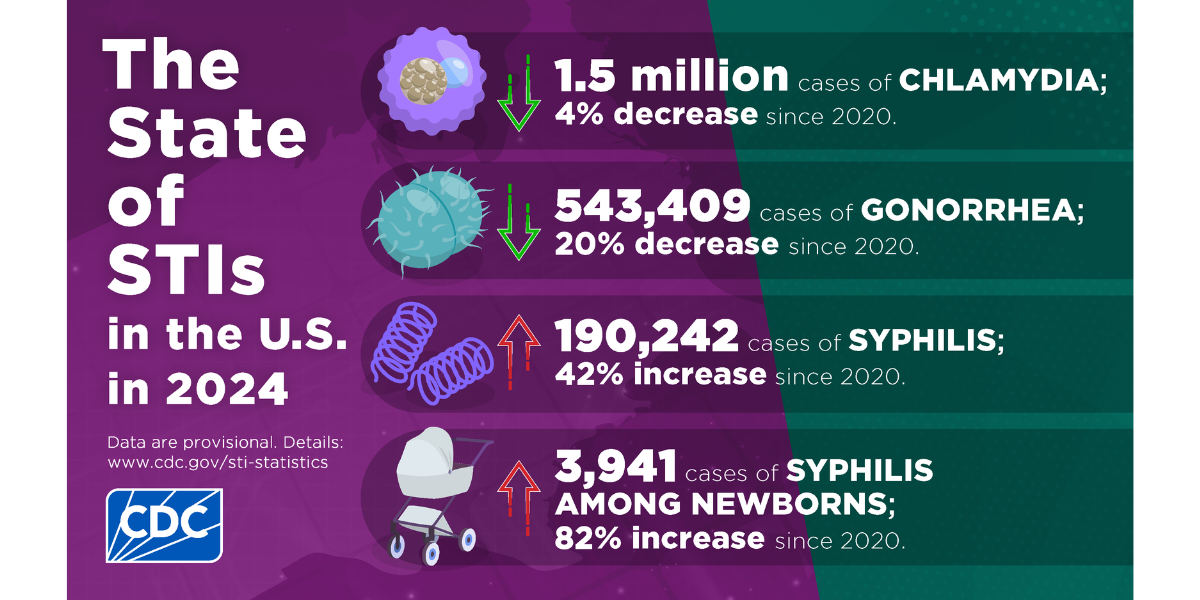
For the third consecutive year, the combined incidence of chlamydia, gonorrhea, and syphilis is trending downward. The CDC reports a 9% decrease in total cases compared to 2023. This is a meaningful step in the right direction, suggesting that prevention efforts are beginning to have a positive impact.
Here’s a closer look at the individual declines:
* Chlamydia: Down 8% as 2023,marking the second year of reduction.
* Gonorrhea: Down 10% as 2023, wiht a third year of consecutive decline.
* Syphilis (Primary & Secondary): Experienced the most considerable drop, down 22% since 2023 – also the second year of decline.
These improvements are likely linked to increased screening initiatives and the adoption of innovative prevention strategies like Doxycycline Post-Exposure Prophylaxis (Doxy PEP). Though, its crucial to remember context.
The Bigger Picture: STI Rates Remain Elevated
Despite the recent declines, the situation isn’t entirely positive.In 2024, over 2.2 million cases of these three STIs were reported. This figure represents a 13% increase compared to rates from a decade ago. Thus, while we’re moving in the right direction, STI rates remain substantially higher than they were in the past.
A Critical Concern: Congenital syphilis Remains a Public Health Crisis
Perhaps the most alarming finding within the CDC report is the continued rise in congenital syphilis – when a mother passes syphilis to her baby during pregnancy or childbirth. This can lead to devastating consequences,including miscarriage,stillbirth,infant death,and lifelong health problems for the child.
Here’s what the latest data reveals:
* 4,000 cases of congenital syphilis were reported in 2024, a 1.6% increase from 2023.
* While the rate of increase is slowing, this marks the 12th consecutive year of rising congenital syphilis cases.
* The number of cases is a staggering 700% higher than it was a decade ago.
This underscores a critical need for improved prenatal care access and consistent syphilis screening for all pregnant women. Early detection and treatment are vital to preventing these tragic outcomes.
Understanding the Data: Provisional Results & Future updates
It’s significant to note that the CDC’s 2024 data is currently provisional. The agency is actively updating its surveillance system, which has caused some delays in data collection and analysis. Currently, only national-level data is available. Detailed state-level breakdowns and demographic analyses (race, ethnicity, etc.) will be released later.
The CDC anticipates releasing the full, finalized results in 2026. While the provisional data may be subject to slight revisions, the agency believes it provides valuable insights to guide ongoing STI prevention efforts at all levels – national, state, and local.
What This Means for You & What You Can Do
As healthcare professionals, we want to empower you to take control of your sexual health. Here are some key takeaways and actionable steps:
* Get Tested Regularly: If you are sexually active, regular STI screening is essential, even if you have no symptoms.
* Talk to Your Healthcare Provider: Discuss your sexual health history and risk factors with your doctor.
* Practice Safer Sex: Consistent and correct condom use significantly reduces your risk of STI transmission.
* Know the Symptoms: Familiarize yourself with the signs and symptoms of common STIs. Early detection is key.
* If Pregnant, Get Tested: Syphilis screening is a standard part of prenatal care.Don’t
Keep reading