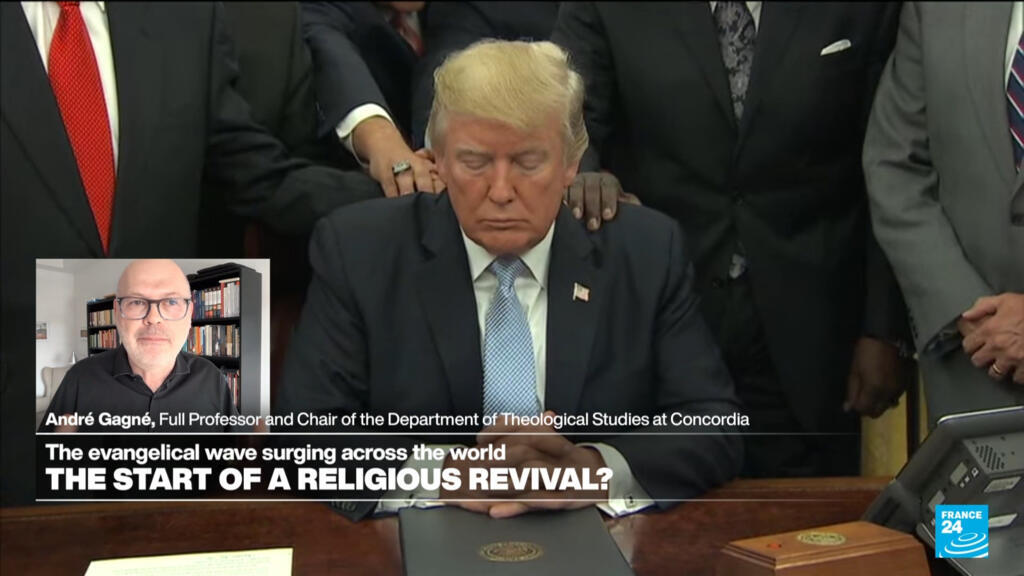
The Global Rise of Evangelical Political Influence: A Nuanced Perspective
The intersection of faith and politics is undergoing a important change globally, wiht evangelical Christianity increasingly playing a role in shaping political landscapes. While often associated with the United States, the influence of evangelical movements is expanding, albeit unevenly, across international borders. Understanding the dynamics of this phenomenon – its drivers, variations, and potential consequences – is crucial in 2025. Recent data from the Pew Research Center (August 2024) indicates a continued growth in the global evangelical population, particularly in sub-Saharan Africa and Latin America, fueling increased political engagement. This article delves into the complexities of this trend, examining the factors contributing to the rising political influence of evangelicals and exploring regional differences, with a particular focus on the contrasting scenarios in the US and Europe.
Understanding the Evangelical Political Landscape
The term “evangelical” itself is multifaceted, encompassing a broad spectrum of Protestant denominations and beliefs. Generally, evangelicals emphasize the authority of the Bible, the necessity of personal conversion experiences, and the importance of actively sharing one’s faith. However, the political expression of these beliefs varies considerably. In the united States, evangelical voters have become a key constituency for the Republican Party, particularly on issues related to social conservatism, such as abortion, same-sex marriage, and religious freedom. This alignment has been solidified over decades, with organizations like the Family Research Council and Focus on the Family actively lobbying for policies reflecting their values.
| Region | Evangelical Population (approx. % of total) | Political Engagement Level | Key Political Issues |
|---|---|---|---|
| United States | 25-30% | High | Social Conservatism, religious freedom |
| Latin America | 20-25% | Growing | social Justice, Anti-Corruption |
| Sub-Saharan Africa | 30-40% | High | Moral Values, Economic Advancement |
| Europe | 2-5% | Low-Moderate | Social Issues, Interfaith Dialog |
Though, to assume a monolithic “evangelical vote” is a significant oversimplification. Within the US, divisions exist regarding economic policy, foreign affairs, and even environmental concerns.Furthermore, the increasing political polarization in the country has led to a growing number of evangelicals questioning their traditional political allegiances.
The European Context: A Different Trajectory
The political landscape in Europe presents a stark contrast to the United States. As noted by André Gagné,Professor and Chair of the Department of Theological Studies at Concordia University in Montreal,the influence of evangelicals in European politics remains comparatively limited. This difference stems from several factors. Firstly, the proportion of evangelicals in the European population is considerably smaller than in the US, generally ranging from 2-5% depending on the country. Secondly, European evangelicals often prioritize social justice issues and interfaith dialogue over the culture war battles that dominate American evangelical politics.
Many European evangelicals do not want to be associated with the brand of evangelicalism prominent in the United States.
This disassociation is a intentional choice, reflecting a desire to avoid the negative connotations associated with the American evangelical movement, particularly its perceived alignment with right-wing populism. A recent study by the European Evangelical alliance (June 2024) revealed that over 70% of European evangelicals believe that Christians should engage in politics based on biblical principles of justice and compassion,rather than partisan ideologies. This emphasis on social duty is evident in the involvement of evangelical organizations in initiatives addressing poverty, migration, and environmental sustainability.
Global Expansion and Emerging Trends
Beyond the US and Europe, the political influence of evangelicals is rapidly expanding
Keep reading