The Future of Fracture Repair: A Deep Dive into “bone-Healing guns” and 3D-Printed Bone Regeneration
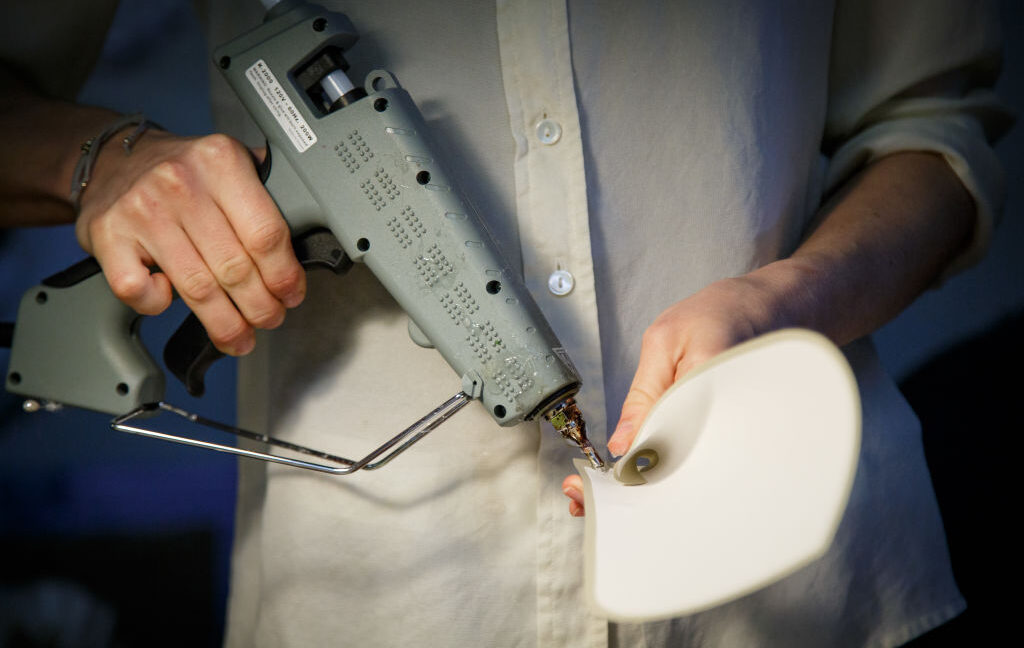
Imagine a future where broken bones aren’t confined to weeks of casting, but are rapidly healed with a handheld “gun” that 3D-prints bone directly onto the fracture. This isn’t science fiction - it’s the groundbreaking work emerging from labs like Dr. Lee‘s, detailed in a recent Device journal publication (DOI: https://doi.org/10.1016/j.device.2025.100873).But how close are we to this reality? And what challenges remain before this technology moves from the rabbit lab to the operating room? Let’s explore the science, the hurdles, and the potential of this revolutionary approach to bone repair.
The Science Behind the “Healing Gun”
The core innovation lies in a biocompatible “ink” and a specialized extrusion-based 3D printing system. Traditional bone grafts, while effective, often require harvesting bone from elsewhere in the body (autograft) or using donor bone (allograft) – both procedures carrying risks of complications and limited availability. This new approach aims to bypass those limitations by building bone directly at the fracture site.
dr. Lee’s team identified polycaprolactone (PCL) and hydroxyapatite as the ideal base materials. PCL is a thermoplastic already approved by the FDA for medical applications. Crucially, it degrades safely within the body over a period of months, eliminating the need for a second surgery to remove the implant. Hydroxyapatite, a naturally occurring mineral, is the primary component of bone itself, actively promoting bone tissue regeneration.
The key was finding the right ratio. The team meticulously experimented with different formulations,ultimately achieving a material that:
* Extrudes at a safe temperature: 60° Celsius is low enough to prevent thermal damage to surrounding tissues.
* possesses mechanical strength: The material needs to be robust enough to provide initial support to the fracture.
* Adheres effectively to bone: Strong bonding is essential for integration and healing.
* Degrades predictably: Controlled degradation allows the newly grown bone to take over the structural role.
Promising Results in Preclinical Trials
Initial testing on rabbits with femur fractures yielded encouraging results. Rabbits treated with the 3D-printed bone material demonstrated faster recovery compared to those treated with conventional bone cement – currently the standard of care. this suggests the potential for substantially reduced healing times and improved patient outcomes.
However, the research isn’t stopping there. The team acknowledges that further refinement is necessary before human trials can begin.
addressing the Remaining Challenges: From Skill to Scale
While the initial results are exciting, several key challenges need to be addressed:
1. Degradation Rate & Full Bone Restoration: Early observations indicated the material degraded too slowly, perhaps hindering complete bone tissue restoration. The team is now focused on optimizing the PCL formulation to achieve a more balanced degradation rate, allowing for seamless integration with the growing bone.
2.Preventing Infection: Bone fractures, notably open fractures, are susceptible to infection. To mitigate this risk, Dr. Lee’s team plans to incorporate antibiotics directly into the 3D-printing material. This would allow for a localized, sustained release of medication, preventing infection and promoting healing.
3. Load-Bearing Capacity: Rabbits, while valuable models, have significantly lower weight and activity levels than humans.The team recognizes the need to evaluate the material’s long-term safety and load-bearing capacity in larger animal models – such as sheep or pigs – that more closely mimic human biomechanics.
4.The “Skill issue” – precision and Control: Perhaps the most notable hurdle lies in the practical application of the technology. extrusion-based 3D printers typically rely on rigid guiding systems (rods or rails) to ensure precise positioning of the printing head. Replicating this level of accuracy with a handheld device, even for a skilled surgeon, is a considerable challenge.
“It is indeed true that the system requires practice,” Dr. Lee admits. The team is exploring integrating a guiding mechanism into the next generation of the device, potentially using robotic assistance or advanced imaging techniques to ensure pinpoint accuracy during bone printing. This could involve real-time