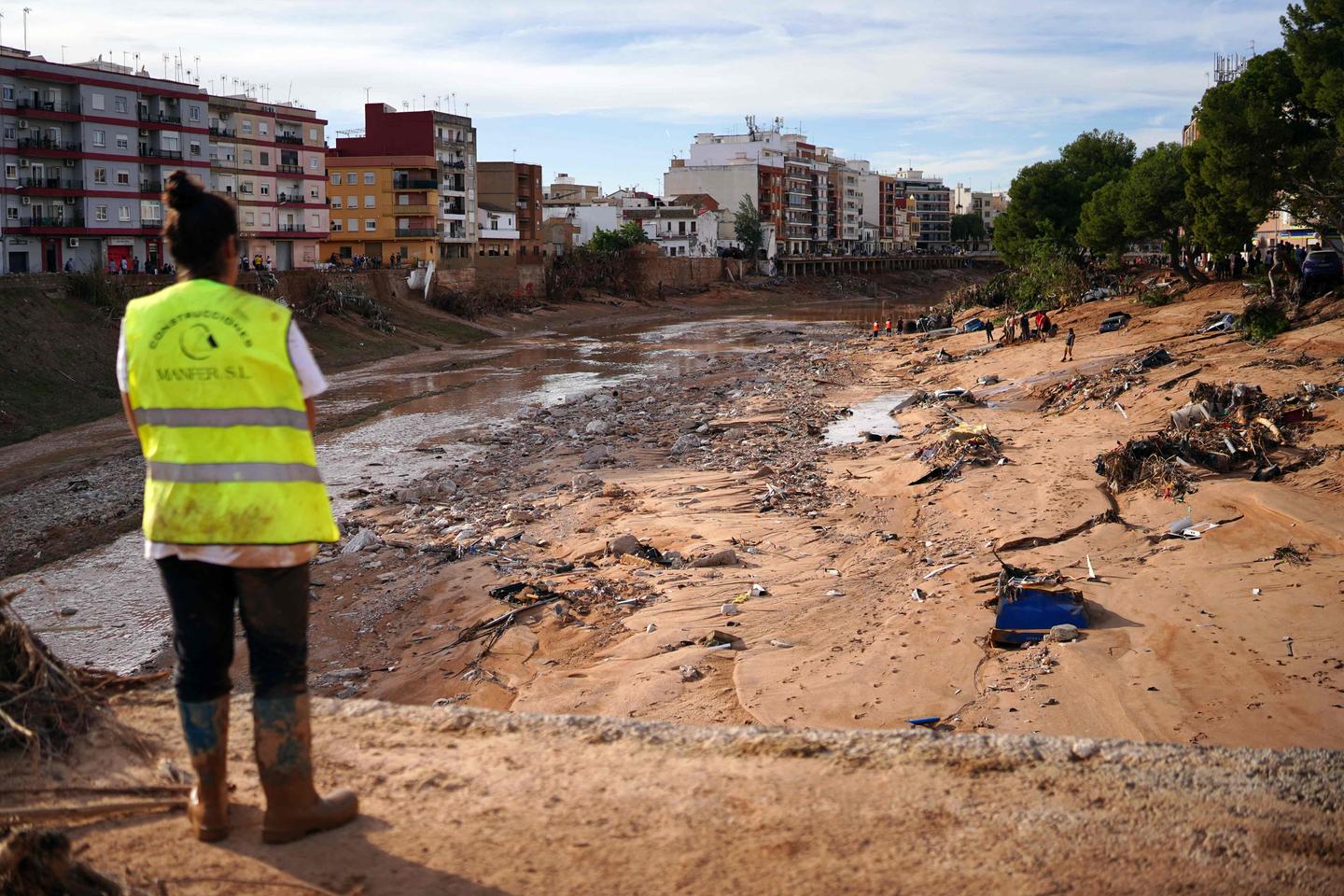
the Lingering Impact of the october 2024 Floods in Spain: A Region Grapples with Loss and Accountability
The devastating floods that swept across regions of Spain in October 2024 were a stark reminder of nature’s power and the increasing vulnerability of communities to extreme weather. These weren’t simply a result of bad luck; a complex interplay of meteorological events, climate change, and urban development converged to create a disaster with lasting consequences.
Specifically, an unusually potent “gota fría” – a high-altitude, isolated depression common to the Mediterranean coast of Spain in autumn – unleashed torrential rainfall. Though, it’s crucial to understand that climate change is amplifying these events, making them more frequent and intense. Furthermore, rapid and often unplanned urbanization in affected areas exacerbated the impact, reducing natural drainage and increasing runoff.
What Happened?
* Exceptionally heavy rainfall overwhelmed infrastructure.
* A “gota fría” weather system was the primary driver.
* Climate change intensified the rainfall’s severity.
* Extensive urbanization contributed to increased flooding.
The immediate aftermath was marked by widespread damage and, understandably, intense public anger. Residents voiced strong criticisms regarding the preparedness and response efforts. This frustration was further fueled by a political backdrop of disagreement between the central government and regional authorities regarding responsibilities and coordination during emergencies.
Currently,ongoing protests demonstrate the depth of feeling within the affected communities. People are demanding greater accountability from regional officials, specifically alleging insufficient warnings about the impending danger of the torrential rains. You can imagine the fear and helplessness felt when facing such a powerful natural event without adequate planning.
I’ve found that in situations like these, the psychological toll often extends far beyond the immediate physical damage. A related article highlights the meaningful and ongoing trauma experienced by those impacted by the Valencia floods. The emotional scars can be as debilitating as the material losses, requiring long-term support and understanding.
Looking Ahead: Key Considerations
* Improved Early Warning Systems: Investing in more elegant and localized warning systems is paramount.
* Sustainable Urban Planning: Prioritizing green infrastructure and responsible urban development can mitigate future risks.
* Enhanced Inter-Governmental Coordination: Clear lines of duty and seamless collaboration between all levels of government are essential.
* Mental Health Support: Providing accessible and complete mental health services for affected communities is critical for long-term recovery.
Ultimately, the October 2024 floods serve as a critical lesson. It’s a call for proactive measures to address the escalating risks posed by climate change and a reminder that effective disaster management requires not only technical expertise but also strong leadership, clear interaction, and a genuine commitment to protecting vulnerable populations. It’s about building resilience, not just reacting to crises.