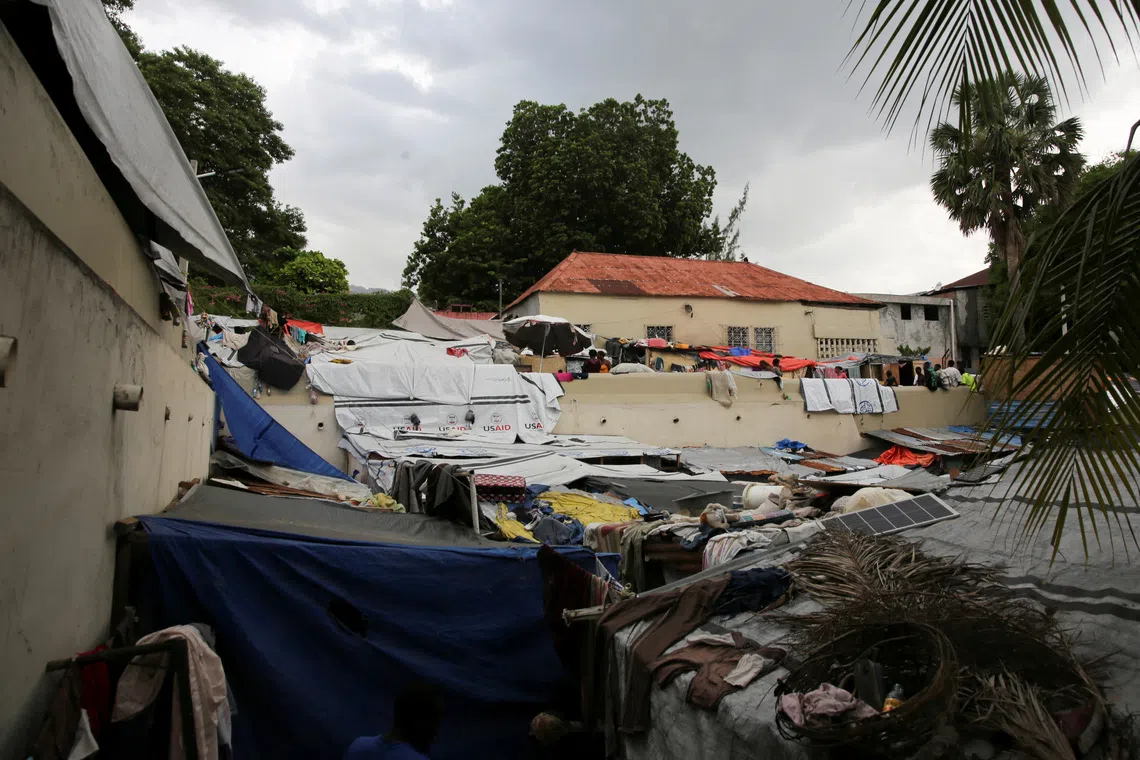
Haiti‘s Security Crisis: New UN Mission Faces Hurdles Despite Approval
The United Nations Security Council recently authorized a multinational security support (MSS) mission to Haiti, a move hailed by many as a critical step towards addressing the escalating gang violence and humanitarian crisis gripping the nation. Though, the path forward is fraught with challenges, stemming from past failures, logistical concerns, and geopolitical tensions. As a long-time observer of international security interventions, it’s clear this mission’s success hinges on overcoming these obstacles – and learning from previous shortcomings.
A History of Under-Resourcing and Logistical Weaknesses
The current crisis didn’t emerge overnight. For years, Haiti has been plagued by political instability, economic hardship, and a growing power vacuum exploited by criminal gangs. the initial attempt to address the security situation, the Multinational Security Support (MSS) mission launched earlier this year, struggled from the outset. Kenyan President William Ruto, whose nation pledged a significant contingent of personnel, publicly voiced concerns at the UN last week regarding the mission’s operational capacity. He highlighted critical issues with staffing and, notably, the quality of equipment provided.
“While we appreciate the support from Washington,” ruto stated, “the vehicles provided were second-hand and experienced frequent breakdowns.” This underscores a recurring problem in international interventions: the tendency to offer assistance that isn’t truly fit for purpose. A mission facing a sophisticated and ruthless adversary requires reliable, modern equipment, not cast-offs. Kenya, despite these initial setbacks, remains committed to participating in the new, restructured mission.
Concerns Over Burden Sharing and Mission Scope
The vote to approve the new MSS mission wasn’t unanimous, and the dissenting voices raise legitimate concerns. U.S. Representative Brian Waltz articulated a central issue: a lack of “true burden sharing” amongst the international community. He argued the initial mission lacked the “scale, scope, and resources needed to take the fight to the gangs and restore a baseline of security.” This sentiment reflects a broader frustration with the uneven distribution of obligation in international peacekeeping and security operations.
The mission’s success isn’t simply about boots on the ground; it’s about providing the necessary financial backing, logistical support, and political commitment to sustain a long-term security solution. Without a concerted effort from multiple nations, the mission risks becoming another short-term fix that ultimately fails to address the root causes of the crisis.
Geopolitical Friction: Accusations and Distrust
The approval process was also marked by pointed criticism from Russia and China, adding another layer of complexity.Both nations accused the United States of fueling the crisis by allowing an illicit flow of weapons to Haiti from U.S. territory and of insufficient funding for the initial MSS mission. They also criticized the rushed nature of the resolution, citing ambiguities in key areas like rules of engagement.
Russia’s UN ambassador, Vassily Nebenzia, pointedly questioned the U.S.’s commitment to funding the new mission,given its previous shortfall in pledges for the initial MSS. He drew a stark contrast, noting the comparatively modest financial requirements for Haiti versus the billions allocated to support Ukraine. This highlights a broader geopolitical dynamic, where perceptions of selective engagement and double standards can undermine international cooperation.
Venezuela concerns and the Mandate for Force
Beyond funding, concerns were raised regarding the potential scope of the mission’s mandate. The resolution authorizes participating countries to use ”all necessary measures” to achieve its objectives – a phrase often interpreted as authorization for the use of force.Russian officials,echoing concerns voiced by Foreign Minister Sergei Lavrov,expressed apprehension that the U.S. might exploit this mandate to justify military intervention under the guise of combating drug cartels.
This fear stems from a history of interventionism and a lack of openness surrounding U.S. foreign policy objectives. Clear and consistent communication regarding the mission’s goals and limitations will be crucial to building trust and avoiding unintended consequences.
China’s Cautious Support and Lingering Doubts
China, while not vetoing the resolution, expressed significant reservations. ambassador Fu Cong emphasized Beijing’s decision was motivated by the ”dire security situation” in haiti and the international community’s appeals for assistance. However, he stressed that china’s “questions and concerns remain,” and expressed “deep worry” about the operation’s prospects. This cautious support underscores the need for ongoing dialog and transparency to address China’s concerns and ensure its constructive engagement.
The Stakes are high: A Critical Juncture for Haiti
The success of this new mission is far from guaranteed. A top
Related reading