
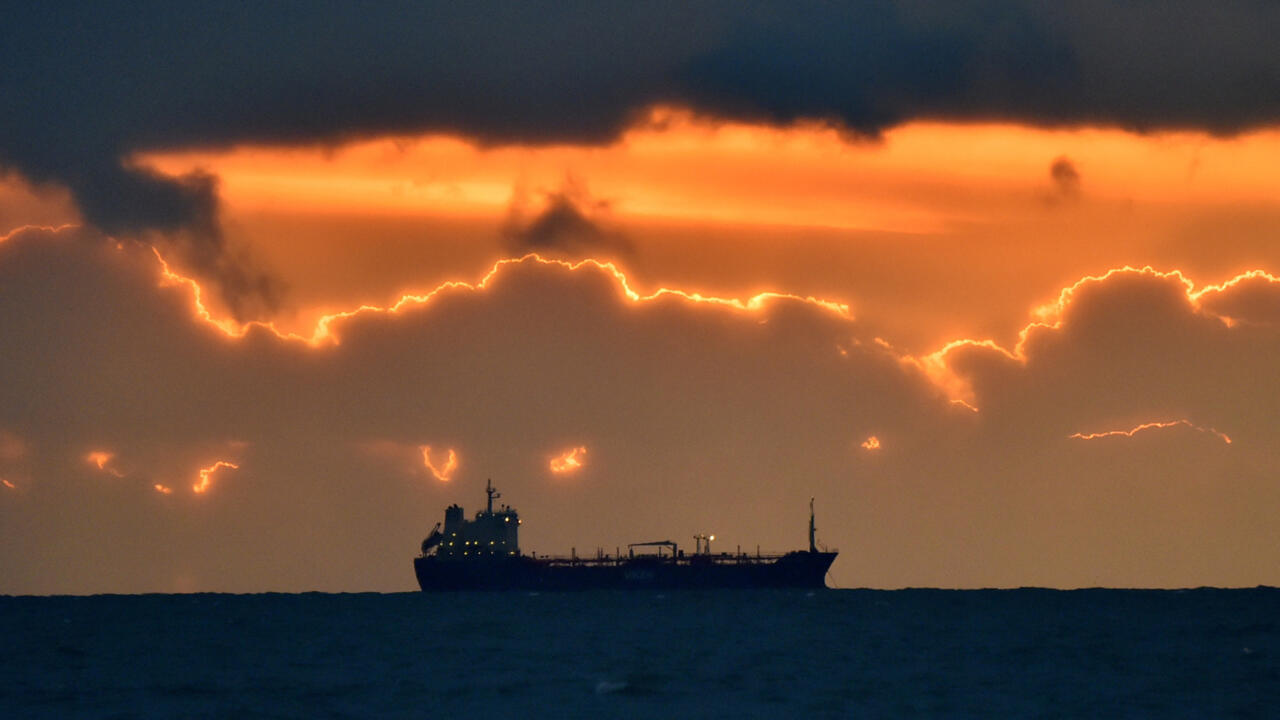
Russian Oil Sanctions: Investigation Launched into Tanker Boracay
The French Navy is currently investigating a potential violation of international sanctions involving the oil tanker Boracay. This Benin-flagged vessel has drawn scrutiny due to its listing under both British and European Union sanctions targeting Russia. Here’s a breakdown of the situation, what you need to know, and why it matters.
The boracay and Alleged Sanctions Violations
Investigations began following a reported infraction. A report was filed with the public prosecutor’s office in Brest, France, initiating a formal inquiry into the vessel’s activities. both the UK and EU have imposed sanctions on the Boracay, with timelines differing slightly.
* The EU sanctioned the tanker in February 2025.
* The UK imposed sanctions in October 2024.
these sanctions stem from concerns that the Boracay is involved in the transport of Russian crude oil and petroleum products. Specifically, authorities allege “irregular and high-risk shipping practices” are being employed.
What Do the sanctions specifically Accuse the Boracay Of?
The EU believes the vessel is linked to the movement of Russian oil.The UK’s assessment is more direct, stating the Boracay is involved in activity that supports the Russian government. This support comes through the transport of Russian oil products to third-party countries. essentially, the tanker is accused of facilitating Russia’s ability to profit from oil sales despite international efforts to curtail those revenues.
A History of Name Changes and Flag Concerns
Understanding the Boracay’s history is crucial. The vessel hasn’t always been known by its current name.
* Previously named Kiwala, the tanker underwent a name change to Boracay (or Pushpa in some shipping databases) in December 2024.
* Ships retain the same International maritime Organization (IMO) identification number throughout their lifespan, even with name changes.
This practice of renaming vessels is common within what’s known as the “shadow fleet.” This fleet consists of older tankers – typically over 20 years old – with obscured ownership and insurance details. In April 2025,Estonia briefly detained the Kiwala for operating without a valid country flag before releasing it.
The “Shadow Fleet” and Circumventing Sanctions
The Boracay is part of a growing network of tankers designed to circumvent sanctions. These vessels frequently enough operate with limited clarity, making it difficult to track their activities and enforce regulations. You should be aware that this fleet plays a significant role in keeping Russian oil flowing to global markets.
Here’s what characterizes the shadow fleet:
* Obscured Ownership: Identifying the true owners of these tankers is frequently enough challenging.
* Limited Insurance: Adequate insurance coverage is frequently lacking, raising safety and environmental concerns.
* Aging Vessels: Many tankers within the fleet are nearing the end of their operational lives.
Current Location and Ongoing Monitoring
Currently, the Boracay, built in 2007, is anchored off the Atlantic coast of western France, near Saint Nazaire. Authorities are closely monitoring the vessel as the investigation progresses. This situation highlights the ongoing challenges in enforcing sanctions and disrupting Russia’s oil trade.


