Zaporizhzhia Nuclear Power plant: A Critical Situation and Ongoing Safety Efforts (September 30, 2025)
The situation at the Zaporizhzhia Nuclear Power Plant (ZNPP) in Ukraine remains deeply concerning as of September 30, 2025, with the plant facing a precarious energy supply. This article provides a comprehensive overview of the current challenges, the international response, and the potential risks associated with the ongoing military conflict impacting Europe’s largest nuclear facility. The core issue revolves around maintaining nuclear safety – a global imperative – amidst active hostilities. Recent reports indicate a critical need to restore offsite power, a necessity for cooling the reactors and preventing a potential nuclear incident.
The Escalating Crisis at Zaporizhzhia
Ukrainian President Volodymyr Zelenskiy has repeatedly emphasized the increasingly critical state of affairs at the Russian-occupied ZNPP. His statements, echoed by international observers, highlight the immediate threat posed by continued shelling, which is actively hindering efforts to reconnect the plant to external power sources. Without reliable offsite power,the plant relies on emergency diesel generators – a temporary solution with limited fuel reserves.
Did You Know? The ZNPP normally supplies enough electricity to power approximately 4 million homes. Its shutdown and the disruption of power supplies have significant implications for Ukraine’s energy grid, particularly as winter approaches.
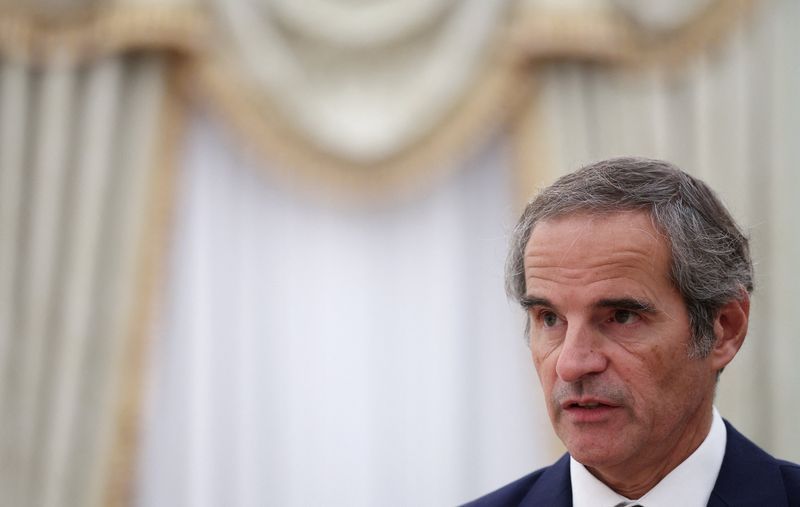
The IAEA, under the leadership of Director General Rafael Grossi, is actively engaged in diplomatic efforts with both Ukrainian and Russian authorities to facilitate the restoration of offsite power. Grossi’s recent statement (September 30, 2025) underscores the urgency of the situation and the IAEA’s commitment to ensuring the plant’s safety and security. This isn’t simply a regional concern; a nuclear incident at Zaporizhzhia would have transboundary consequences,perhaps impacting multiple European nations.
Recent data from the European Nuclear Safety Regulators Group (ENSREG), published in August 2025, indicates a heightened risk profile for nuclear facilities operating in conflict zones, emphasizing the need for robust safety protocols and continuous monitoring. The report specifically cites the ZNPP as a “facility of paramount concern.”
Understanding the Risks: Meltdown and Beyond
The primary risk associated with the loss of offsite power is the potential for a meltdown. Nuclear reactors generate immense heat during operation. This heat must be continuously removed through a cooling system. If the cooling system fails – due to power loss or damage – the reactor core can overheat, leading to fuel damage and, ultimately, a meltdown.
Pro Tip: A “meltdown” doesn’t necessarily equate to an explosion like Chernobyl. Though, it releases radioactive materials into the surroundings, posing significant health and environmental hazards. the severity depends on the extent of the damage and the effectiveness of containment measures.
However,the ZNPP has several safety features designed to mitigate the risk of a catastrophic event. These include:
* Containment Structures: Robust concrete and steel structures designed to contain radioactive releases.
* Emergency Core Cooling Systems (ECCS): Systems designed to provide cooling to the reactor core in the event of a loss-of-coolant accident.
* Diesel Generators: Backup power sources to operate essential safety systems.
Despite these safeguards, the prolonged reliance on diesel generators is unsustainable. Fuel supplies are finite, and logistical challenges in a conflict zone make replenishment difficult. Furthermore, the generators themselves are vulnerable to damage from shelling. The potential for a loss of coolant accident (LOCA) – where cooling water is lost from the reactor core – remains a significant concern.
International Response and Ongoing Negotiations
The IAEA has maintained a continuous presence at the ZNPP,with experts stationed on-site to monitor the situation and provide technical assistance. This presence,while crucial,is limited by the ongoing security risks. The IAEA is advocating for the establishment of a “nuclear safety and security protection zone” around the plant, a proposal that has received mixed reactions from both sides of the conflict.
The United Nations Security Council has held numerous emergency sessions to discuss the situation at Zaporizhzhia, but reaching a consensus on a resolution has proven challenging due to geopolitical tensions. Several countries have offered to provide assistance with the plant’s safety, including providing backup power supplies and technical expertise
Related reading