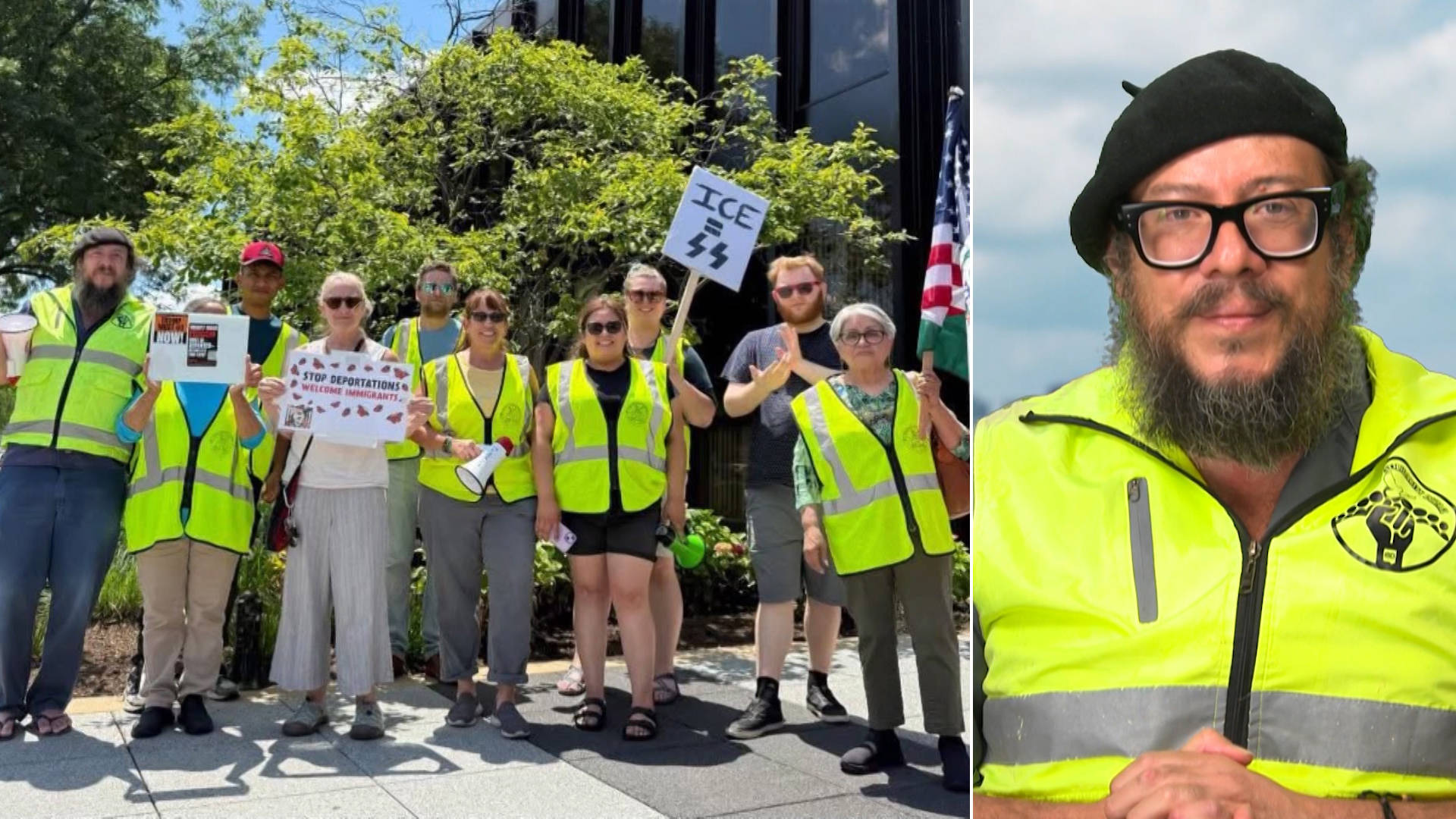
Chicago Activists Mobilize in response to Federal Threats & ICE Activity
Chicago is witnessing a surge in grassroots activism as residents organize to protect their communities from increased federal intervention and Immigration and Customs Enforcement (ICE) activity. This movement, fueled by a sense of urgency and resistance, is taking shape through innovative community patrols, factory committees, and direct action against ICE operations.
Here’s a breakdown of the situation and how Chicagoans are responding:
A Climate of Fear & Resistance
The current surroundings is marked by what organizers describe as a “propaganda war” aimed at instilling fear. Former President Trump’s threats to deploy federal troops to Chicago, initially met with widespread concern, have been scaled back to a proposed deployment of just 100 troops. However, the initial rhetoric and continued ICE presence have galvanized local activists.
“He’s trying to scare us, trying to build a lot of fear in the community to stop us from fighting back,” explains Cristóbal Cavazos, a people’s patrol volunteer in Chicago. “But frankly, it’s not going to work.”
This resistance isn’t simply reactive; it’s a proactive effort to build solidarity and protect vulnerable communities.Activists are framing their work as a continuation of historical struggles for justice and self-determination.
Community-Led Safety Initiatives
The response to perceived threats has been multifaceted, focusing on direct community support and intervention:
* Factory Committees: Workers are establishing safety committees within factories to address concerns and coordinate responses to potential ICE raids or other interventions.
* Neighborhood Patrols: Residents in neighborhoods like West Chicago are conducting regular patrols, sometimes lasting late into the night, to monitor for ICE activity near apartment buildings.
* Rapid Response: When ICE is spotted, patrols immediately mobilize to protest, inform residents of their rights, and provide support.
* Political Support: Chicago’s elected officials,including congresspeople and aldermen,are increasingly vocal in their opposition to ICE actions.
These initiatives represent a significant mobilization of community resources and a commitment to mutual aid. They demonstrate a determination to protect neighbors and resist federal overreach.
The Impact of Federal Intervention Attempts
Interestingly, attempts to intimidate the community appear to be having the opposite effect.
“As all of the attacks in Chicago have done, it’s had an opposite effect, in that it’s stimulating the movement,” Cavazos notes. “It’s stimulating.”
This phenomenon highlights the resilience of Chicago’s activist community and its ability to transform perceived threats into opportunities for organizing and mobilization. A protest is planned at Trump Tower, demonstrating the continued commitment to direct action.
What This Means for You
If you’re concerned about these developments, here’s how you can get involved:
* Stay Informed: Follow local news and activist organizations to stay up-to-date on the situation.
* Support Local Organizations: Donate to or volunteer with groups working on immigration rights and community defense.
* Advocate for Policy Changes: Contact your elected officials and urge them to support policies that protect immigrant communities.
* Participate in Demonstrations: Join peaceful protests and rallies to show your solidarity.
The situation in Chicago underscores the growing tension between federal immigration policies and local community resistance. As activists continue to mobilize, the city is becoming a focal point in the ongoing debate over immigration and the role of federal power.This is a developing story, and continued vigilance and engagement are crucial.
Resources:
* Democracy Now! Event Page – For information on upcoming events and related coverage.
Keep reading