Confronting Russia’s Shadow Fleet: A Deep Dive into Oil Sanctions and Maritime Enforcement
Have you ever wondered how Russia continues to fund its war in Ukraine despite sweeping international sanctions? A significant part of the answer lies in a clandestine network of oil tankers – often referred to as the “shadow fleet” – that are actively circumventing restrictions. This article will explore the escalating tensions surrounding these vessels, the legal justifications for thier detention, and what the future holds for enforcing sanctions at sea. We’ll delve into the complexities of oil sanctions, examining the strategies employed by Russia and the countermeasures being taken by nations like France.
the Rise of Russia’s Shadow Fleet
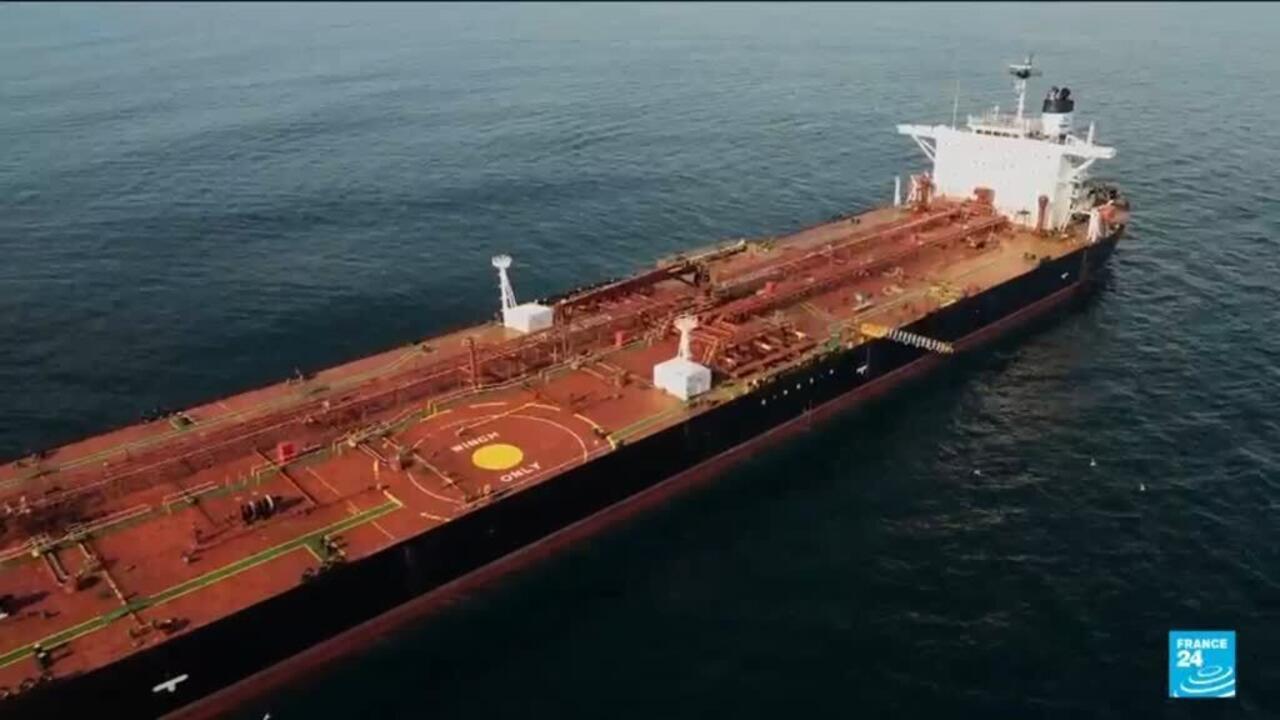
Recently, a Russia-linked oil tanker was detained by France, sparking strong condemnation from Moscow, with President Putin labeling the action as “piracy.” This incident isn’t isolated. It represents a growing trend of European nations taking a more assertive stance against vessels suspected of aiding Russia in bypassing economic sanctions. the shadow fleet, comprised of aging tankers often with opaque ownership structures, has become crucial for Moscow to continue exporting oil, a vital source of revenue.
These vessels frequently engage in ship-to-ship transfers – a practice were oil is moved between tankers at sea to obscure its origin. This makes tracking and enforcing sanctions incredibly challenging. According to a report by lloyd’s List Intelligence published in September 2024, the shadow fleet has grown by over 60% in the last year, carrying approximately 80% of Russia’s seaborne crude oil exports.https://lloydslist.com/2024/09/18/russias-shadow-fleet-grows-as-western-sanctions-bite/
Legal Justifications and International Cooperation
What legal basis do countries have for detaining these tankers? Primarily, it centers around violations of sanctions regimes imposed by the European Union, the United States, and othre nations. These sanctions target not only Russian oil exports but also the entities and individuals involved in facilitating those exports.
France, in particular, has been a vocal advocate for stronger enforcement. President Macron has urged Europe to adopt a coordinated approach, mirroring his country’s actions. This includes:
* Enhanced maritime surveillance: Utilizing advanced technologies to track suspicious vessels.
* Increased port inspections: Thoroughly examining ships entering European ports.
* Targeted sanctions: Imposing penalties on companies and individuals involved in the shadow fleet.
* Legal challenges: Pursuing legal action against those who violate sanctions.
The effectiveness of these measures hinges on international cooperation.The G7 nations have pledged to crack down on the shadow fleet, but achieving a unified front remains a challenge. Different countries have varying levels of enforcement capacity and political will. Understanding maritime law and international agreements is crucial in navigating these complex issues.
Beyond Detention: Disrupting the Flow of funds
Detaining tankers is a significant step, but it’s not a complete solution. To truly disrupt Russia’s ability to finance its war, efforts must extend beyond maritime enforcement. this includes targeting the financial networks that support the shadow fleet.
Consider these actionable steps:
- Due diligence: Financial institutions should conduct thorough due diligence on all transactions involving oil trading.
- Beneficial ownership transparency: Unmasking the true owners of vessels and companies involved in the shadow fleet.
- Price caps: Enforcing price caps on Russian oil to limit revenue.
- Secondary sanctions: Imposing sanctions on entities that knowingly facilitate transactions with sanctioned parties.
These measures require a collaborative effort between governments, financial institutions, and intelligence agencies. The concept of trade finance and its role in circumventing sanctions is a key area of focus.
Common Questions About Oil Sanctions and the Shadow Fleet
* **what are oil sanctions designed to achieve