The Chilling Erosion of Free Speech: From UK Meme arrests to Global Concerns
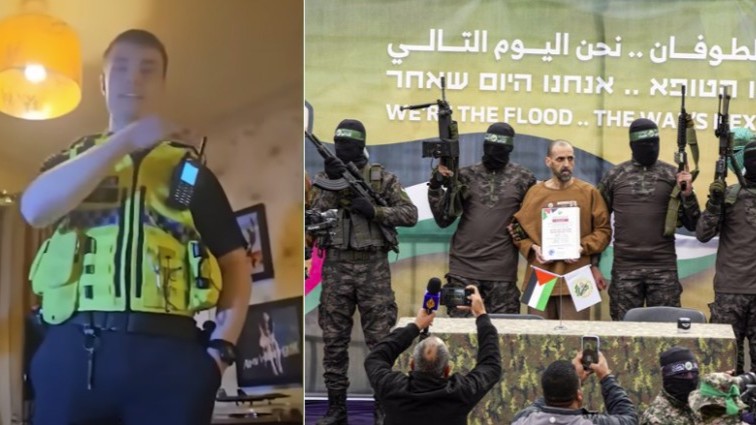
The recent arrest in the UK stemming from a social media meme has ignited a crucial conversation about the state of free speech, not just in Britain, but across the Western world. While the specifics of the case – involving a post critical of Hamas – are concerning in themselves, the broader implications for open discourse and the foundational principles of liberal democracies are deeply alarming. This isn’t simply about a controversial post; it’s about a potential chilling effect on legitimate expression and a worrying trend towards overreach by authorities.
The UK Case: A Symptom of a Larger Problem
The initial reaction to the arrest, as articulated by commentators like Raj Nair, is one of disbelief. The core tenet of a free society is the ability to express dissenting opinions, even those considered offensive, without fear of state intervention. As Nair points out, this principle is “the foundational bedrock of Western society.” The focus on the Hamas reference, rather than the broader context of the meme, raises questions about selective enforcement and potential biases.
This incident resonates with the famous exchange involving Jordan Peterson, where he eloquently argued that being offended is an inherent risk in a free exchange of ideas. Peterson’s point – and a cornerstone of free speech ideology – is that the “marketplace of ideas” thrives on scrutiny, debate, and even ridicule. Suppressing expression, even that which we find disagreeable, stifles intellectual progress and ultimately weakens society.
However, the UK situation appears to be escalating beyond isolated incidents. Nair highlights growing concerns about the direction the country is heading, citing reports of social unrest and the introduction of mandatory digital IDs. While proponents argue these measures address security concerns, critics see them as tools for increased government control and surveillance, further eroding individual liberties. The feeling, as expressed, is that the UK is “off in a bad way,” and warrants serious attention and concern.
Beyond the UK: A Global Trend of Suppressing Dissent
The concerns aren’t limited to the United Kingdom. As Hallowell emphasizes, this is part of a broader, global trend of diminishing free speech protections. The case of Pavi Räsänen, a Finnish Member of Parliament facing prosecution for sharing a biblical verse on social media, is a especially stark example.
Räsänen’s situation – being subjected to multiple trials for expressing her religious beliefs – demonstrates a disturbing willingness to criminalize deeply held convictions. Even if one disagrees with the content of the verse, the principle at stake is paramount: the right to express one’s faith without fear of legal repercussions. This isn’t about malice; it’s about basic freedom.
These examples, from the UK to Finland, underscore a critical point: the erosion of free speech isn’t confined to countries with authoritarian regimes. It’s happening in established democracies, often under the guise of protecting vulnerable groups or combating hate speech. While the need to address genuine harm is undeniable, the line between protecting individuals and suppressing legitimate expression is becoming increasingly blurred.
The American Imperative: Protecting the First Amendment
The situation abroad serves as a potent reminder of the importance of safeguarding the First Amendment in the United States. As Hallowell rightly points out, its placement as the first amendment isn’t accidental. It’s the cornerstone of American liberty, protecting not only speech but also religious freedom.
Recent legal battles – such as the case of the football coach who fought for the right to pray on the 50-yard line – demonstrate that these rights are not self-executing. They require constant vigilance and a willingness to defend them in the courts. The fact that such cases even reach the Supreme Court highlights the ongoing challenges to free speech and religious liberty in America.
What Can Be Done?
Protecting free speech requires a multi-faceted approach:
* Vigilance: We must be constantly aware of attempts to restrict expression,even those presented with good intentions.
* Legal Advocacy: Supporting organizations that defend First amendment rights is crucial.
* Public Discourse: Engaging in respectful, but robust, debate about the limits of free speech is essential.
* Education: Understanding the historical and philosophical foundations of free speech is vital for its preservation.
* International Solidarity: Supporting individuals and organizations fighting for free speech abroad is a moral imperative.
The arrest in the UK, and the cases like that of Pavi Räsänen, should serve as a wake-up call. The erosion of free speech is a global phenomenon, and its consequences are far-reaching.
Keep reading