The Ancient Secret to Superior Yogurt: How Ants are Revolutionizing Fermentation
Have you ever wondered what the earliest yogurts tasted like? Forget the standardized flavors of today – conventional fermentation practices held a complexity lost in modern production. Now, scientists are uncovering the surprising role a tiny creature played in creating those flavors: the red wood ant. This isn’t just a ancient curiosity; it’s a potential pathway to unlocking richer, more diverse yogurt experiences.
From Oral Histories to Scientific Discovery
For centuries, in regions like Bulgaria and Turkey, locals have utilized a unique ingredient to kickstart yogurt fermentation – live red wood ants, or their eggs.This practice, passed down through generations via oral tradition, wasn’t based on guesswork. Recent research, published in iScience, finally explains the science behind this time-honored technique.
The study, spearheaded by researchers at the Technical University of Denmark, delves into the biodiversity of traditional yogurt-making. “Today’s yogurts are typically made with just two bacterial strains,” explains co-author Leonie Jahn. “If you look at traditional yogurt, you have much bigger biodiversity, varying based on location, households, and season. That brings more flavors, textures, and personality.”
Recreating the Bulgarian Tradition
To understand the ant’s impact, the team traveled to Nova Mahala, Bulgaria, collaborating with locals who still practice this ancient method.They meticulously followed instructions from a family member, recreating the process step-by-step:
* Milk Planning: Fresh, raw cow’s milk was heated to scalding point – hot enough to “bite your pinkie finger,” as described by the family.
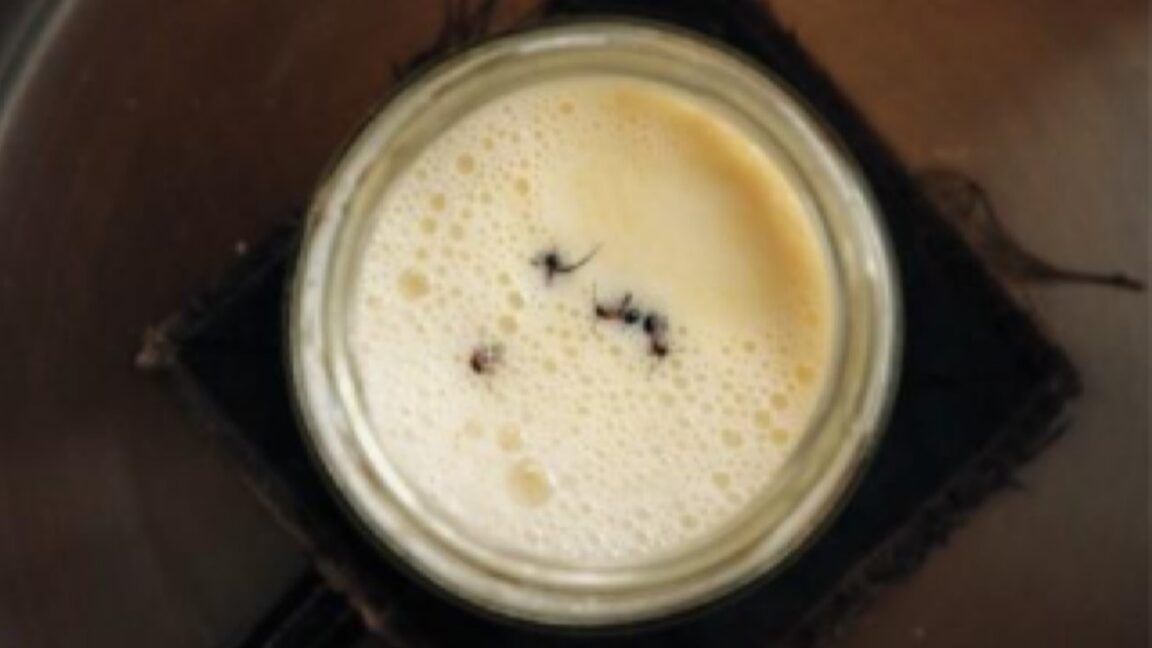
* Ant Introduction: Four live red wood ants were carefully collected from a local colony and added to the warmed milk.
* Incubation within the Colony: The milk was secured in a cheesecloth-covered glass container, wrapped in fabric for insulation, and then buried within the ant colony itself.
* Natural Incubation: The ant nest’s natural heat acted as a perfect incubator, maintaining a consistent temperature for fermentation.
After 26 hours, the milk had begun to thicken and sour, demonstrating the initial stages of yogurt formation. Taste testers described the resulting yogurt as “slightly tangy, herbaceous,” with distinct notes of “grass-fed fat.”
Why Do Ants Work? The Science of Fermentation
So, what’s the secret? Red wood ants harbor a unique microbiome – a diverse community of bacteria and yeasts - that contribute to the fermentation process. These microorganisms, when introduced to milk, initiate and accelerate the growth of lactic acid, the key component in yogurt production.
this isn’t simply about speed; it’s about complexity. The diverse microbial community fostered by the ants results in a wider range of flavor compounds and textures compared to yogurt made with commercially available starter cultures.
Beyond Tradition: Modern Applications & culinary Innovation
This research isn’t just about preserving history. The team has already begun collaborating with chefs to explore modern applications of “ant yogurt.” Imagine a culinary landscape where yogurt isn’t just a breakfast staple, but a canvas for complex, regionally-inspired flavors.
This discovery highlights a broader trend: a growing thankfulness for traditional foodways and the untapped potential of indigenous knowledge. By understanding the science behind these practices,we can unlock new possibilities for food production and flavor development.
The Future of Yogurt: Embracing Biodiversity
The story of ant yogurt is a powerful reminder that simplicity doesn’t always equal superiority. The standardized, mass-produced yogurts of today often lack the depth and nuance of their traditional counterparts.
Embracing microbial diversity in fermentation - whether through the use of ants,wild yeasts,or heirloom starter cultures – could be the key to creating a new generation of yogurts that are not only delicious but also beneficial for gut health and reflective of their unique terroir.
Evergreen Insights: The Power of Traditional Fermentation
Fermentation is far more than just a food preservation technique. It’s a process that enhances nutritional value, improves digestibility, and unlocks complex flavors. Throughout history, cultures around the world have harnessed the power of fermentation to create staples like yogurt, cheese, kimchi, sauerkraut, and sourdough bread. These traditional methods often rely on naturally occurring microorganisms, resulting in products with a unique character and a wealth of health benefits. The resurgence of interest in these practices reflects a growing desire for more authentic, flavorful, and sustainable food systems.
FAQ: Ants and Yogurt - your Questions Answered
1.
Worth a look
- Huawei Nova 16 SE: OLED Screen, 50MP Camera, and Massive 8500mAh Battery
- Best Budget Smartwatch Alternatives to Apple, Samsung, and Google
- Hygiene and Health Regulations: Restaurants Faced Fines for Non-Compliance (archyde.com)
- Ancient Human Relative Homo antecessor Practiced Adult Cannibalism in Spain (world-today-news.com)