The Disturbing Legacy of Ed Gein: A Critical Look at “Monster: The Ed Gein Story” and the Ethics of True crime Dramatization
Ed Gein. The name doesn’t resonate with the same immediate notoriety as Ted bundy or Jeffrey Dahmer, yet his crimes arguably cast a longer, darker shadow over the landscape of modern horror. While his confirmed victim count stands at two, Gein’s macabre obsession with death and dismemberment – specifically, the desecration of female graves and the creation of objects from human remains – has profoundly influenced depictions of violence and psychological horror for over seven decades. From the chilling imagery in Psycho to countless subsequent films and series featuring flayed bodies and gruesome trophies, Gein’s influence is pervasive. And now, Netflix‘s “Monster: The Ed Gein Story” attempts to unpack this disturbing legacy. But does it succeed, or does it fall into the trap of exploitative sensationalism?
This review delves into the strengths and, crucially, the meaningful failings of the series, examining its structural choices, performances, and, most importantly, its ethical implications, particularly in the current climate of heightened sensitivity surrounding antisemitism and violence. We’ll explore why, despite its technical proficiency, “The Ed Gein Story” ultimately feels like a missed chance – a glossy, disturbing spectacle that prioritizes shock value over genuine understanding.
A Structurally Aspiring, Yet Morally Questionable, Narrative
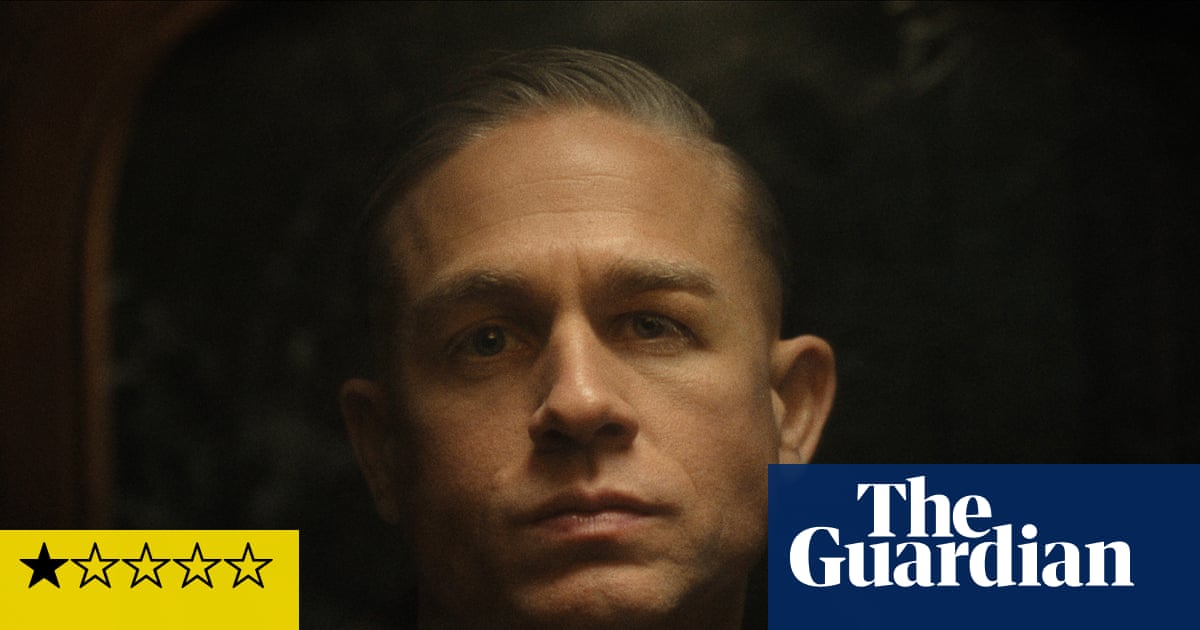
The series’ structure is undeniably compelling. It deftly interweaves three timelines: Gein’s formative years and descent into madness (portrayed by Charlie Hunnam),the creative process behind Alfred Hitchcock‘s Psycho (featuring Tom Hollander as Hitchcock),and the genesis of Robert Bloch’s novel,inspired by Gein’s crimes. This multi-layered approach allows for a fascinating exploration of how real-life horror translates into fictional narratives, and how those narratives, in turn, shape our collective understanding of evil.
the inclusion of Ilse Koch, the “Butcher of Buchenwald,” and the depiction of atrocities committed within Nazi concentration camps is a particularly bold, and ultimately problematic, choice. The series doesn’t shy away from the horrific details - scenes of SS officers’ children engaging in sadistic acts and prisoners subjected to brutal torture are vividly rendered. While intended to illustrate the broader context of human depravity that fueled gein’s own obsessions, these sequences feel jarring and, without sufficient contextualization, risk trivializing the unique horrors of the Holocaust. The visual quality is undeniably strong; the production design and cinematography are meticulously crafted. However, aesthetic achievement cannot excuse a lack of ethical grounding.
Performance and Production values: A Mixed Bag
Hunnam delivers a committed performance as Gein,capturing the character’s unsettling blend of awkwardness,religious fervor,and burgeoning psychosis. However, the series often leans into sensationalism, lingering on the most gruesome aspects of his crimes with a voyeuristic intensity. Hollander’s portrayal of Hitchcock, regrettably, is hampered by distracting prosthetics and a lack of nuance.
The pacing is generally well-managed, maintaining a consistent level of tension throughout. The series excels at creating a claustrophobic atmosphere, mirroring Gein’s isolated existence on the Wisconsin farm. However, this technical prowess feels ultimately hollow in the absence of a deeper thematic exploration.
The Core Flaw: A Disturbing Lack of Moral Commentary
The most significant criticism leveled against “The Ed Gein Story” is its conspicuous absence of moral commentary.The series presents Gein as a product of his habitat - a deeply religious upbringing dominated by a controlling mother, coupled with a nascent sexual frustration and exposure to disturbing imagery. The narrative subtly suggests that Gein was, in a sense, destined to become a monster, a “small town simpleton” driven to horrific acts by circumstances beyond his control, as Bloch’s character posits.
This framing is deeply troubling, particularly in the wake of real-world tragedies like the antisemitic murders at Heaton Park synagogue.To present Gein’s actions as merely the result of a troubled upbringing,without acknowledging the agency and obligation inherent in his choices,feels dangerously reductive. It risks normalizing, or even sympathizing with, a perpetrator of unspeakable crimes.
The series’ reluctance to grapple with the ethical implications of its subject matter is particularly glaring given the track record of ryan Murphy’s productions. While known for their glossy aesthetic and often campy tone, previous series like “the People v. O.J. Simpson,” “The Assassination of Gianni Versace,” and “Impeachment
Related reading