The Evolving Google Play Store: A Deep Dive into the New ‘You’ Tab and Beyond (2025 Update)
The Google Play Store is undergoing a significant conversion, and as of October 4th, 2025, these changes are rolling out to users. Beyond a simple interface refresh,Google is fundamentally shifting how users interact with apps,games,and content. This isn’t just about finding new downloads; it’s about personalization, content discovery, and a more holistic user experience. This article provides an in-depth look at the new ’You’ tab, the updated Apps tab, and what these changes mean for developers and Android users alike. We’ll explore the implications of these updates, drawing on recent trends in app store optimization (ASO) and user engagement, and offer practical insights for navigating the evolving Google Play ecosystem.
Did You Know? Google Play boasts over 3.5 million apps as of Q3 2025, making discoverability a critical challenge for developers. The new ‘You’ tab aims to address this by prioritizing personalized recommendations.
Understanding the Core Changes: ‘You’ Tab and Apps Tab
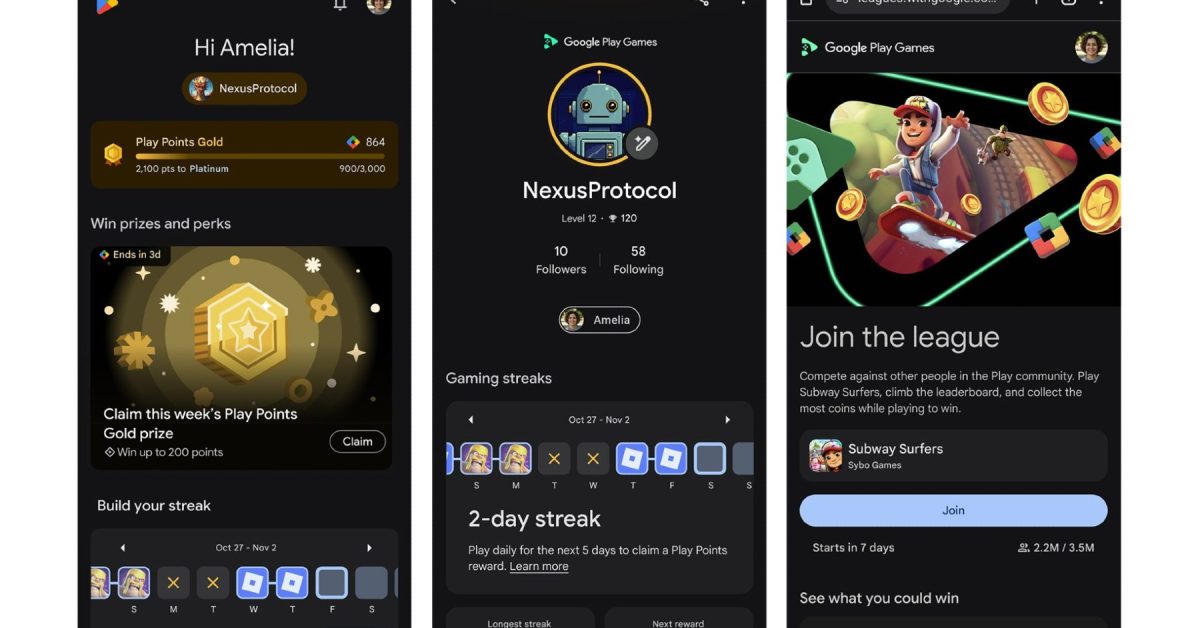
The most prominent update is the introduction of the ‘You’ tab, replacing the existing ‘My apps’ section. This isn’t merely a renaming exercise. The ‘You’ tab is designed to be a central hub for everything related to your Google Play experience. It’s a personalized dashboard offering:
* Curated Content: Recommendations tailored to your download history, in-app activity, and expressed interests. This goes beyond simple “similar apps” suggestions, leveraging Google’s AI to anticipate your needs.
* Rewards & Subscriptions: A consolidated view of Play Points balances, subscription management, and exclusive offers. This streamlines the management of recurring payments and loyalty programs.
* Usage Stats & Updates: Swift access to app update notifications, download history, and data usage statistics. this empowers users to stay informed about their digital footprint.
* Content Resumption: A key feature highlighted by Google is the ability to seamlessly resume content consumption – picking up where you left off in a novel, podcast, or video game. This addresses a common user frustration and encourages continued engagement.
The Apps tab, meanwhile, has been streamlined to focus solely on app discovery and browsing.This separation of concerns – personalization in ‘You’, exploration in Apps – is a deliberate design choice aimed at improving usability.
Pro Tip: Regularly check the ‘You’ tab for Play Points bonuses and subscription offers. These can considerably reduce your app spending.
The Impact on App Discovery and ASO
These changes have profound implications for app store optimization (ASO). Traditional ASO tactics – keyword research, compelling app descriptions, high-quality screenshots – remain crucial, but developers now need to consider how their apps will be surfaced within the personalized ‘You’ tab.
Here’s where things get interesting:
* personalization Algorithms: Google’s algorithms will prioritize apps that align with individual user preferences. This means understanding your target audience’s behaviour within apps is as important as attracting initial downloads. Data on in-app purchases, session length, and feature usage will likely play a larger role in ranking.
* Content Marketing Integration: Apps with strong content ecosystems (e.g., news apps, streaming services, educational platforms) are poised to benefit from the content resumption feature. developers should focus on creating engaging, long-form content to keep users coming back.
* Subscription Optimization: The streamlined subscription management within the ‘You’ tab emphasizes the importance of clear value propositions and flexible subscription tiers. Reducing churn and maximizing lifetime value will be critical.
* Play Points Integration: Offering exclusive Play Points rewards can incentivize downloads and engagement, particularly for freemium apps.
Case Study: Duolingo
Duolingo, the language learning app, is a prime example of a company that could benefit from these changes. Its personalized learning paths and gamified content align perfectly with the ‘You’ tab’s focus on individual user needs. By leveraging Play Points rewards and offering exclusive content to subscribers, Duolingo can further enhance user engagement and retention.