Sukkot 2025: A Celebration of Harvest,Faith,and Resilience
Sukkot,the week-long Jewish festival commencing Monday evening and extending through October 13th,is a time of profound joy and gratitude. It’s a celebration deeply rooted in the agricultural cycle,commemorating the fall harvest and reminding us of the Israelites’ journey through the desert after the Exodus from Egypt. But this year,Sukkot arrives with a particularly poignant weight,coinciding with the second anniversary of the October 7th attacks on Israel.
Understanding the Significance of Sukkot
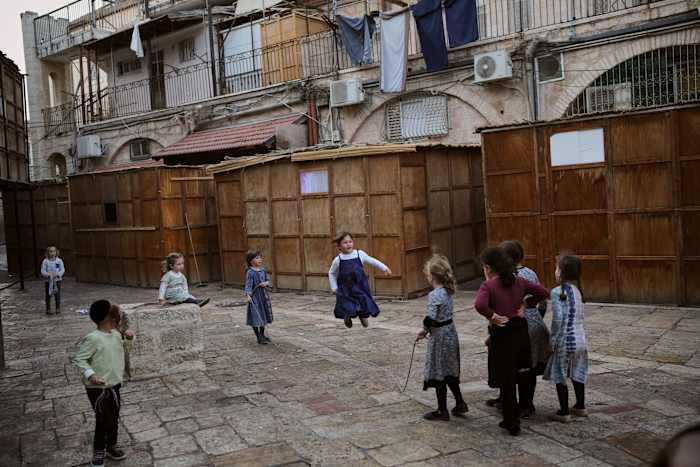
Often called the “Festival of Booths,” sukkot isn’t just about remembering the past. It’s about actively experiencing a connection to it. Traditionally, Jewish families build temporary shelters, called sukkahs, representing the fragile dwellings the Israelites lived in during their 40 years of wandering.
What makes Sukkot unique among Jewish holidays? It’s a time specifically designated for simcha – unadulterated joy. Jewish law actively discourages public mourning during this period, emphasizing celebration and thankfulness. This focus on happiness is central to the spirit of the holiday.
You can learn more about Sukkot from these leading Jewish organizations:
* Chabad-Lubavitch: https://www.chabad.org/holidays/JewishNewYear/template_c/aid/4772/jewish/Sukkot.htm
* Union for Reform Judaism: https://reformjudaism.org/jewish-holidays/sukkot
Sukkot 2025: A time of Remembrance and Unity
This year, Sukkot’s first full day, October 7th, carries a heavy significance. It marks the second anniversary of the devastating Hamas attack on southern Israel in 2023, a tragedy that resulted in over 1,200 deaths and the capture of 251 hostages.
Given the customary prohibition of public mourning during Sukkot, Jewish communities are seeking ways to honor the memory of those lost and express solidarity with those affected. In New York City, leaders and activists are organizing a “circle of Unity” event on the Great Lawn in Central Park. This gathering aims to bring thousands together for dancing, prayer, and a powerful demonstration of Jewish resilience and the celebration of life.
How is Sukkot Celebrated?
Sukkot is rich in tradition. Here’s a glimpse into some common practices:
* Building the Sukkah: The sukkah is the central symbol of the holiday. It’s constructed with natural materials – wood, branches, and leaves – and decorated with fruits and vegetables.
* The Lulav and Etrog: These are four species of plants – a palm branch (lulav), a myrtle, a willow, and a citron (etrog) – waved together during prayers. They symbolize the diversity of the Jewish people and the unity of God.
* Festive Meals: Meals are often eaten inside the sukkah,and are filled with joyous singing and celebration.
* Ushpizin: The tradition of ushpizin involves inviting biblical figures – Abraham, Isaac, Jacob, joseph, Moses, Aaron, and David – as “guests” into the sukkah each night.
Beyond the harvest: The Deeper Meaning of Sukkot
While rooted in an agricultural past, Sukkot offers profound lessons for today. It reminds us of:
* Gratitude: Taking time to appreciate the blessings in your life, both material and spiritual.
* Humility: Recognizing our dependence on God and the fragility of life,symbolized by the temporary sukkah.
* Community: The importance of coming together to support and uplift one another, especially during challenging times.
* Hope: Even in the face of adversity, maintaining faith and celebrating the enduring power of the human spirit.
recent Developments & Research
A recent study by the Pew Research Center (September 2024) found that
Worth a look