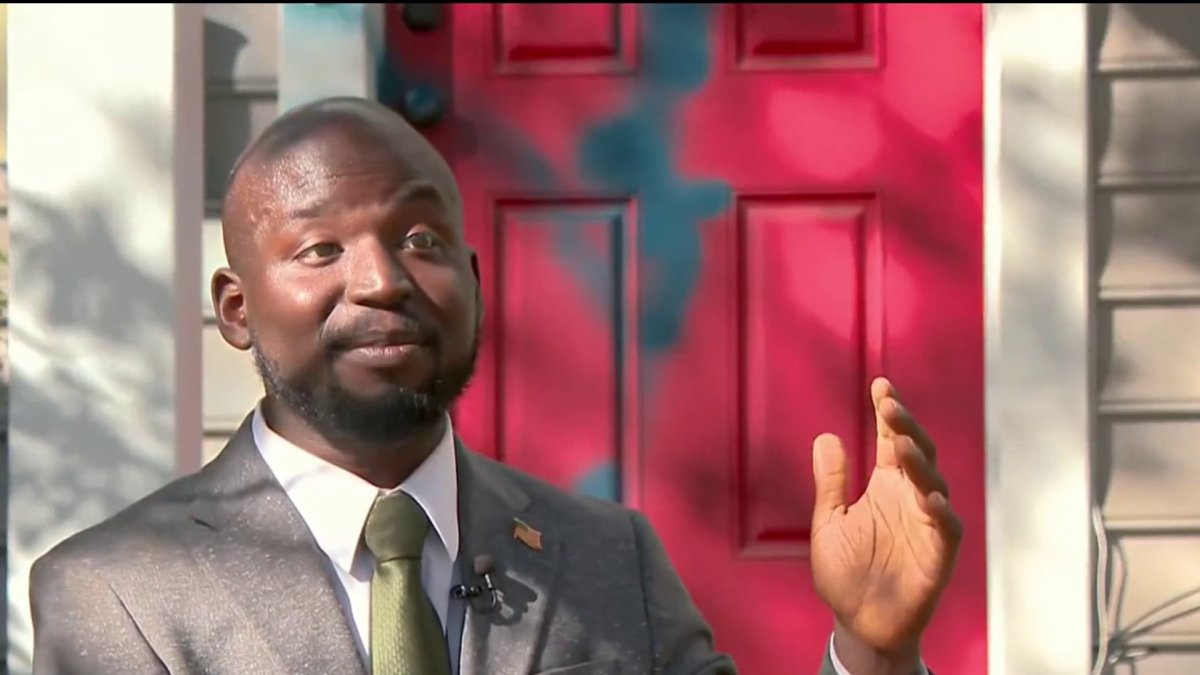
Political Vandalism & Threats: Examining the Targeting of D.C. Council Candidate Oye Owolewa
A disturbing incident has unfolded in Washington D.C., raising concerns about the escalating nature of political aggression. Oye Owolewa, a candidate for the D.C. Council at-large seat and the districts current shadow representative, discovered his home vandalized with hateful graffiti. This act of political vandalism isn’t simply property damage; it’s a direct affront to the democratic process and a chilling reminder of the potential for real-world harm stemming from political polarization.
The incident, reported on October 6th, 2025, involved the spray-painting of expletives on Owolewa’s front door and porch. While initially dismissing the initial blue spray as a minor annoyance, the full extent of the message quickly became clear. Owolewa, who has resided in the neighborhood for seven years without incident, believes he was specifically targeted due to his public role advocating for D.C. statehood.
Understanding the Rise in Political Intimidation
this event isn’t isolated. A recent report by the Brennan Center for Justice (September 2024) indicates a significant increase in threats against election officials and candidates nationwide. The report highlights a 67% rise in reported threats compared to the 2018 midterm elections, fueled by misinformation and increasingly unfriendly rhetoric. This trend underscores a worrying erosion of civility in political discourse.
Owolewa’s experience highlights the vulnerability of those engaged in public service. He expressed concern that this act could escalate, stating, “These types of actions are coming to my front door. Literally.” He has filed a police report, and the D.C. police are investigating, but no arrests have been made as of this writing.
What can be done to address this growing problem? Several steps are crucial:
* Increased Security: Candidates and election officials should assess their personal security and consider measures like security cameras (functioning ones, as Owolewa unluckily discovered) and enhanced home security systems.
* stronger Legal Protections: Advocating for stricter laws and penalties for threats and intimidation against political figures is essential.
* De-escalating Rhetoric: Political leaders and media outlets have a duty to promote respectful dialogue and avoid inflammatory language.
* Community support: Neighbors and community members can play a vital role by reporting suspicious activity and offering support to those targeted.
Beyond the Graffiti: The Broader Implications
The targeting of Owolewa extends beyond a single act of vandalism. It speaks to a larger issue of political harassment and the potential for violence in a deeply divided political climate. The incident raises questions about the safety of those who choose to participate in the democratic process, notably those advocating for controversial or progressive causes. This type of election interference – even at a local level – can have a chilling effect on civic engagement.
Owolewa’s pragmatic response – planning to clean up the graffiti himself with nail polish remover and red paint – is admirable, but it doesn’t address the underlying problem. He’s understandably shaken,but remains committed to his campaign. This resilience is crucial, but it shouldn’t be necessary.
The incident also prompts a discussion about the role of social media in amplifying hateful rhetoric. While a direct link hasn’t been established, the online habitat often provides a platform for individuals to express extreme views and incite violence. Understanding political polarization and its drivers is key to mitigating these risks.
Related Terms: candidate safety, political threats, civic engagement, hate crimes, election security.
Evergreen Insights: Protecting Democratic Participation
The core principles of democracy – free speech, fair elections, and peaceful transitions of power – are under threat when individuals are intimidated or harassed for their political beliefs. Protecting these principles requires a multi-faceted approach, including robust legal protections, increased security measures, and a commitment to fostering a more civil and respectful political discourse. The long-term health of our democracy depends on ensuring that everyone feels safe and empowered to participate in the political process. This isn’t just about protecting candidates; it’s about safeguarding the very foundations of our government.
Frequently Asked Questions About Political vandalism
Q: What constitutes political vandalism?
A: Political vandalism encompasses any intentional damage to property motivated by political beliefs, including graffiti