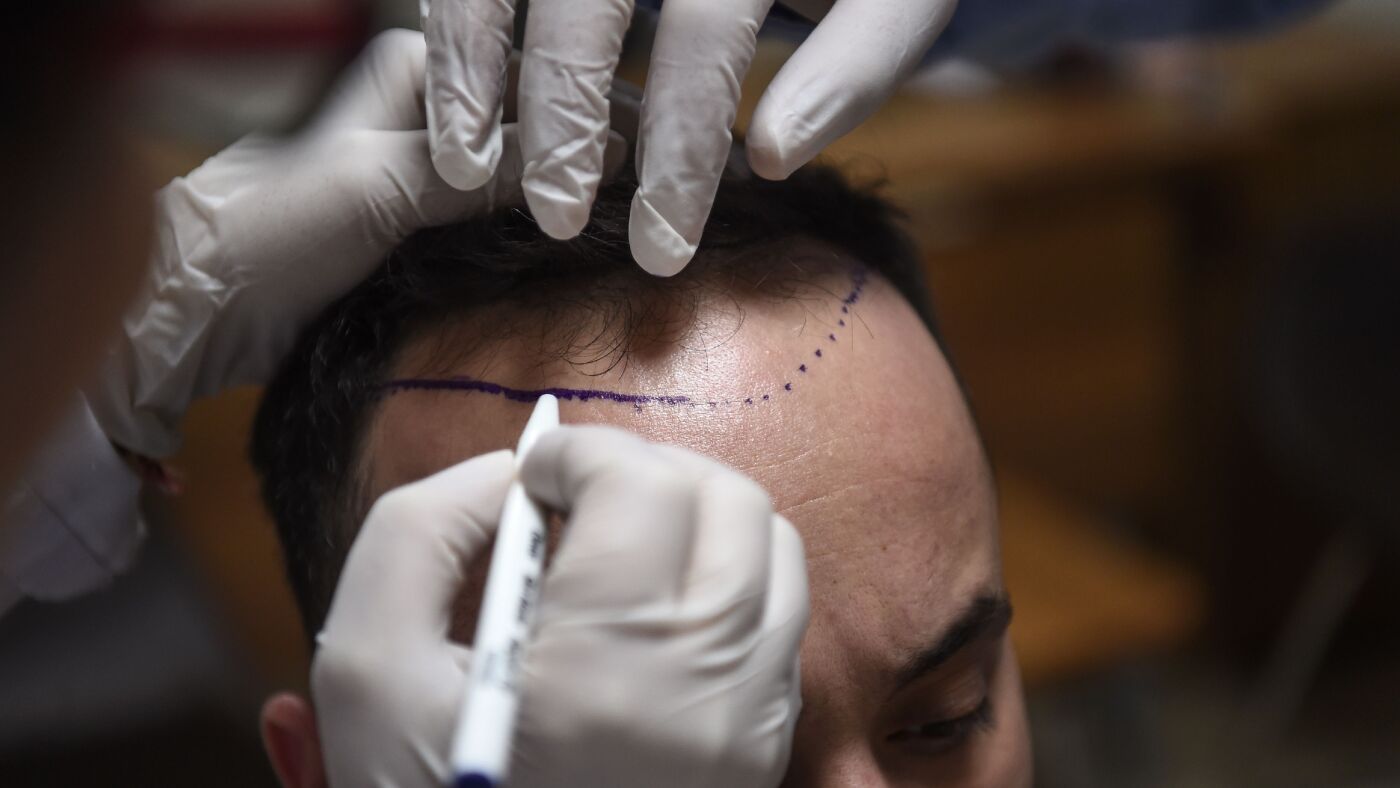
Teh Rise of Medical Tourism for Hair Restoration: Navigating Risks and Realities in Turkey
Turkey has rapidly become a global hotspot for medical tourism, particularly for hair transplantation.Driven by competitive pricing and aggressive marketing, the industry is booming. But beneath the surface of enticing packages and before-and-after photos lies a complex landscape with potential risks. As a specialist in the field of cosmetic procedure evaluation, I’ll break down what you need to know before considering a hair transplant in Turkey, ensuring you make an informed decision.
Why Turkey? The allure of affordable Restoration
The appeal is undeniable. According to data from the Turkish health Ministry, the country is actively targeting a larger share of the global medical tourism market. You’ll find advertisements throughout Istanbul’s airports promising extensive hair restoration packages – including the procedure itself,hotel stays,airport transfers,translation services,and even sightseeing opportunities.
This affordability is a major draw. Compared to costs in the US, Canada, or Western Europe, the price difference can be substantial.However, lower prices aren’t always synonymous with quality.
The Hidden Risks: Beyond a Perfect Hairline
While many experience positive outcomes, it’s crucial to understand the potential downsides.The pursuit of a fuller head of hair shouldn’t come at the expense of your health and well-being.
Hear’s what you need to be aware of:
* “Black Market” Clinics: The International Society of Hair Restoration Surgery (ISHRS) has raised serious concerns about unlicensed clinics operating with inadequate standards. These clinics may employ inexperienced practitioners,rush procedures,and compromise patient safety.
* Botched Results & Complications: Reports range from poorly designed hairlines and unnatural-looking results to infections, scarring, and even permanent damage.
* Medical Oversights: It’s vital that the procedure is performed by medically trained professionals. harvesting too many follicles in a single session can impact your blood pressure and overall health.
* Uninformed Medication Use: Patients are sometimes pressured into taking medications like minoxidil or finasteride without a thorough understanding of potential side effects. Always discuss the risks and benefits with a qualified medical professional and obtain informed consent.
The turkish Health Ministry acknowledges these concerns and has pledged increased oversight. However, with an estimated 5,000 clinics in Istanbul alone, enforcement remains a significant challenge.
The Power of Social Media & Psychological Factors
The surge in popularity isn’t solely about price. It’s deeply intertwined with psychology and the influence of platforms like TikTok and Instagram.
Consider these points:
* Advertising’s Impact: We’re constantly bombarded with messaging emphasizing the importance of a full head of hair, fueling anxieties about hair loss.
* Social proof & Normalization: Social media showcases a constant stream of “conversion” videos and photos, making hair transplantation seem like a normal, even desirable, lifestyle upgrade. This creates a sense of social pressure and normalizes the procedure.
* The Confidence Boost: Many patients, like Justin R. (featured in the NPR report), report feeling younger and more confident after the procedure.
However,it’s vital to remember that social media often presents a curated and idealized version of reality.
Protecting Yourself: Due Diligence is Key
If you’re considering a hair transplant in Turkey, here’s how to minimize your risk:
- Verify Credentials: Thoroughly research the clinic and surgeon. Confirm their qualifications, certifications, and experience. Look for board certification from reputable organizations.
- Read Reviews – Critically: Don’t rely solely on testimonials on the clinic’s website. Seek out autonomous reviews on third-party platforms. Be wary of overly positive or generic reviews.
- Ask Detailed Questions: Prepare a list of questions to ask the surgeon during your consultation. Inquire about their experience, the specific techniques they use, potential complications, and their post-operative care plan.
- Understand the Medications: if medications are prescribed, ensure you fully understand their purpose, potential side effects, and alternatives.
- Prioritize Your Health: Be honest about your medical history and any existing health conditions.
- Consider a Second Opinion: Before making a decision, consult with a qualified hair restoration specialist in your home country.