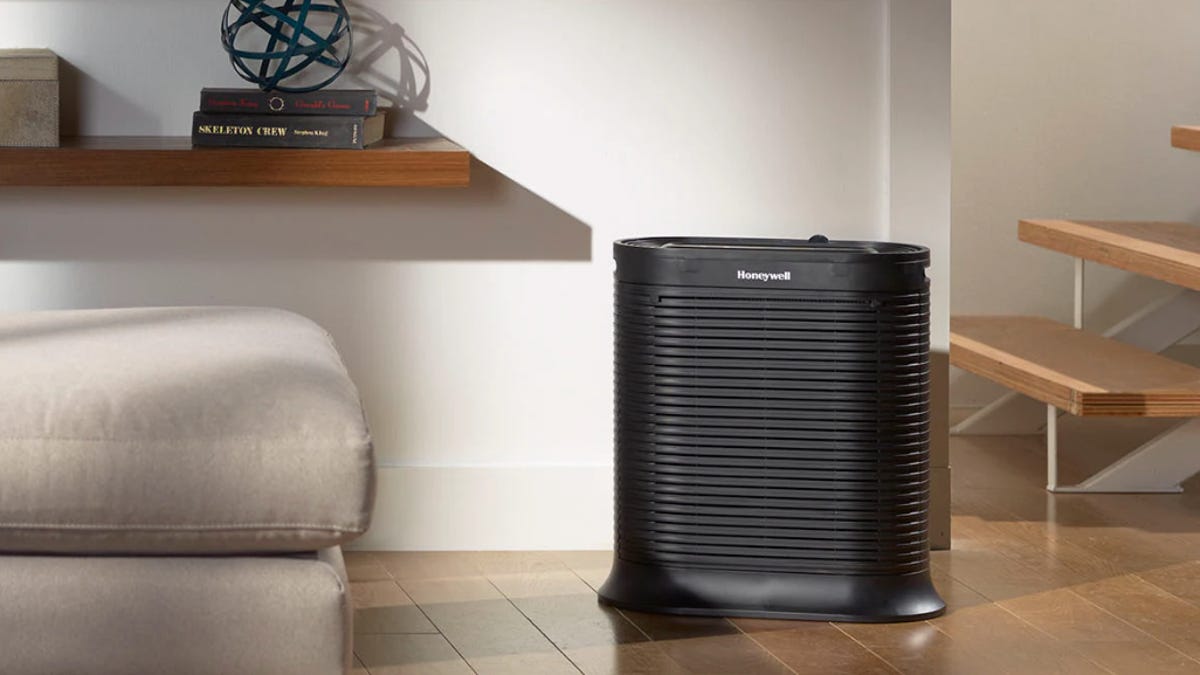
decoding Air Purifier Performance: Noise & Energy Use
Air purifiers are a fantastic investment for improving your indoor air quality,but understanding how they perform beyond just filtration is crucial.You want a unit that effectively cleans the air without disrupting your daily life.Let’s dive into two key aspects: noise levels and energy consumption.
Understanding Air Purifier Noise
Perhaps you’re planning to run your air purifier in a bedroom or home office. In these scenarios,a noisy machine can be a real problem. Here’s what you need to know about air purifier sound:
* Fan Speed Matters: Most air purifiers offer multiple fan speeds – low, medium, and high. Naturally, higher speeds mean more noise.
* Decibel (dB) Levels: Noise is measured in decibels. lower dB numbers indicate quieter operation.
* Quietest Models Lead the Pack: I’ve found that some models are remarkably quiet,especially on their lowest settings. These are ideal for bedrooms or nurseries.
* Louder Units Exist: Conversely, certain air purifiers can be quite loud, particularly at higher fan speeds. These might be better suited for larger, more open spaces.
Generally, a reading below 50dB is considered quiet enough for pleasant sleep. Here’s a quick guide:
* Under 40dB: Very quiet – barely noticeable.
* 40-50dB: Quiet – suitable for bedrooms.
* 50-60dB: Moderate – noticeable, but generally acceptable.
* Over 60dB: Loud - potentially disruptive.
Delving into Energy Consumption
Beyond noise, it’s smart to consider how much energy your air purifier uses. This directly impacts your electricity bill. Here’s how to assess energy usage:
* The kill-a-Watt Device: A handy tool for measuring energy consumption is a device called a Kill-a-Watt meter. It plugs into the wall, and then you plug your air purifier into it.
* Power Draw at Different Settings: Air purifiers consume varying amounts of power depending on the fan speed. Measuring the wattage at each setting gives you a clear picture.
* Calculating Costs: Knowing the wattage allows you to estimate the monthly or yearly cost of running the purifier. This is especially crucial if you plan to run it continuously.
* Energy Star Certification: Look for air purifiers with the Energy Star label. These models meet strict energy efficiency guidelines.
Ultimately, choosing an air purifier involves balancing performance, noise, and energy efficiency. By understanding these factors, you can select a unit that seamlessly integrates into your life and provides the clean air you deserve.
Keep reading