
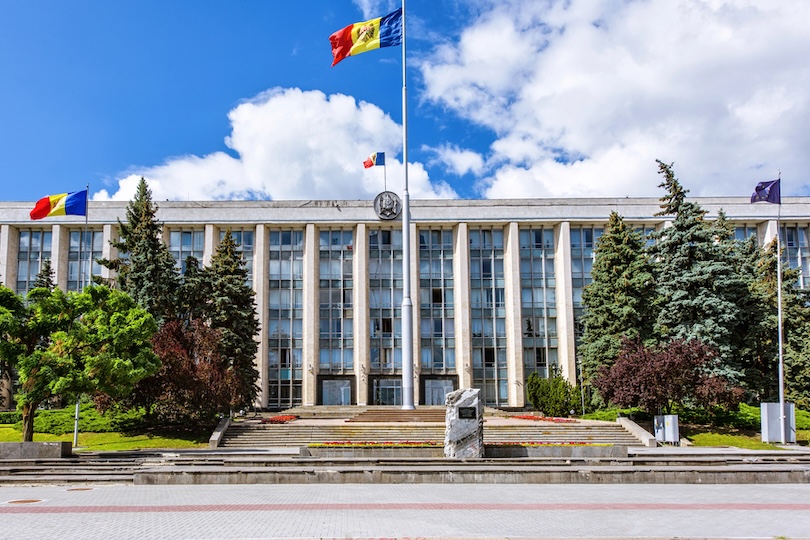
A Nation at the Crossroads: Observing the Moldovan Elections Thru the Lens of Transnistria
The recent Moldovan elections, leaning towards a pro-EU majority, where keenly observed not just within Moldova itself, but also by its complex neighbor, Transnistria. My observations on the ground revealed a captivating, and often poignant, picture of a region grappling with its identity and future. This report details the voter turnout from Transnistria, the atmosphere surrounding the polling stations, and the anxieties expressed by those who travelled to participate – or, perhaps, to signal their discontent.
Diminished Turnout, Heightened Scrutiny
Observers noted approximately 12,000 voters from Transnistria participated, a notable drop from previous elections.This decrease occurred despite efforts to facilitate access, with twelve polling stations established just beyond the administrative border. While bussing was present – understandable given the distance – it was conducted under the watchful eye of Moldovan police.
The security operation was remarkably professional. Document checks were meticulous, car boots were inspected, yet reports of misconduct were minimal. Even typically vocal pro-Russian politicians remained conspicuously silent regarding the state’s actions. the visual contrast was striking: convoys of cars displaying the Soviet hammer-and-sickle emblem entering territory adorned with Moldovan flags. This juxtaposition highlighted the deep divisions and competing loyalties at play.
Voices from Transnistria: A Region Feeling Abandoned
Speaking directly with voters offered a powerful insight into the anxieties fueling this complex situation. The sentiment wasn’t simply pro-Russian; it was a profound sense of abandonment and uncertainty.
One voter eloquently expressed this feeling:
“I do not want to vote under that flag; I want to vote under the flag of my beloved Transnistria. This is a sell-out to Brussels and soon our Russian past will be whitewashed and forgotten. Do they want us to leave our homes and go to Russia? I am not sure there is room for us there anyway and we have our own farms and lives to preserve here. We are Russians but we are not Muscovites …We are abandoned by Chisinau and Moscow. we are Russian Transnistrians and friends and brothers of our family among the Gagauzians. We are what we have always been.But what are we anymore?”
This quote encapsulates the core dilemma: a desire to preserve a distinct identity, fear of cultural erasure, and a feeling of being caught between two worlds.
Another voter,a Transnistrian businessman arriving in a luxury vehicle,voiced a different,yet equally critical,perspective:
“If you wanted my honest opinion,I would say that we have years of promises of plenty from the PAS Party but no real change in living conditions,and we are just neglected here. In fact, we are starved out of our own country and even it is so challenging to get out and vote with all the roadblocks and confusion. It is indeed no surprise that the vote seems a bit down today on previous years. Do not be fooled by Sandu and the group of liars that she is surrounded with. She is only interested in building up a nest-egg for herself. Maybe she might even have plans to quit the whole country before to long, as I expect she has dishonestly concealed away millions from the state funds to make her escape.”
This perspective reveals a deep-seated disillusionment with the current Moldovan government, accusations of corruption, and a sense of economic neglect. it’s a narrative of broken promises and perceived indifference.
The Power of Symbolism in a Divided Society
The physical landscape itself spoke volumes. In the distance, a colossal statue of Lenin stood as a stark reminder of Transnistria’s Soviet past. Just across the border, Moldovan electoral authorities directed voters to polling stations, festooned with the national flag.
This visual contrast underscores a crucial point: in politically divided societies, flags are far more than just pieces of cloth. They are potent symbols of identity, allegiance, and historical narratives. They represent belonging, and the fear of losing it.
Key Takeaways for Understanding the Situation:
* Declining Trust: Both Chisinau and Moscow are viewed with skepticism by many Transnistrian residents.
* Identity Crisis: A core concern is the preservation of a unique Transnistrian identity amidst shifting geopolitical alignments.
* Economic Grievances: Perceived economic neglect and a lack of tangible improvements in living conditions are fueling discontent.
*


