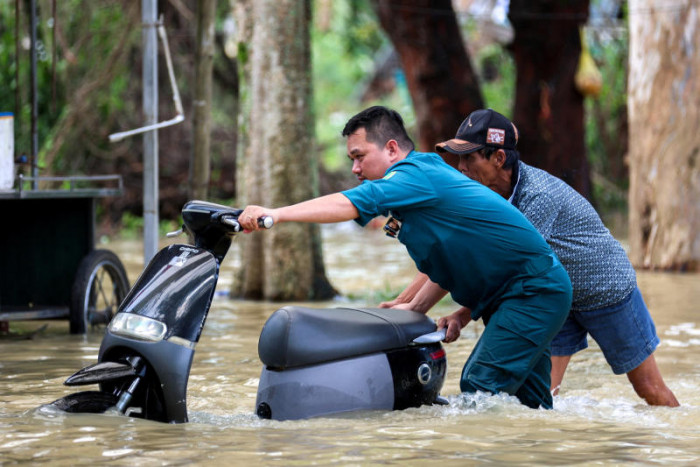
Hanoi Battles Relentless Flooding as Storms Continue to Lash Northern Vietnam
Hanoi is once again grappling with widespread flooding,as Typhoon Matmo unleashed torrential rains upon the city on Tuesday. This latest deluge follows closely on the heels of Typhoon Bualoi, marking a pattern of increasingly frequent and severe weather events impacting VietnamS northern regions.Residents are facing a challenging situation as recovery from the previous storm is hampered by yet another wave of heavy rainfall.
The current flooding has inundated major roadways, leaving commuters stranded and forcing pedestrians to navigate streets filled with calf-deep water. inner-city districts are experiencing the brunt of the impact, as existing drainage systems struggle to cope with the sheer volume of precipitation. You can imagine the frustration of residents trying to navigate daily life amidst these conditions.
Several schools have proactively closed their doors or transitioned to online learning to ensure student safety. Furthermore, disruptions to air travel are occurring, with numerous flights to and from Noi Bai International Airport experiencing delays or rescheduling.
A Recurring Crisis
This isn’t an isolated incident. Last week, Typhoon Bualoi caused devastating floods throughout Hanoi, tragically resulting in at least 51 fatalities across Vietnam and an estimated $600 million in damages. Many families were only just beginning the arduous task of cleaning up from Bualoi when Matmo arrived, bringing with it a renewed sense of despair.
“It’s a loop – rains come, streets flood and people desperately try to get by,” shared a Hanoi resident, expressing a growing concern that these events may become commonplace. This sentiment reflects a broader anxiety about the increasing frequency of extreme weather.
What’s on the Horizon?
Sadly, the forecast doesn’t offer immediate relief. The national weather agency predicts continued rain and thunderstorms throughout Tuesday morning, with a specific warning for potential flooding in low-lying areas.
* expect prolonged disruptions to daily life.
* Be prepared for potential travel delays.
* Stay informed about official weather updates.
Moreover, experts anticipate up to three additional storm systems could impact the country before the year concludes. This raises serious questions about long-term preparedness and infrastructure resilience.
Preparing for the Future
Vietnam is particularly vulnerable to the impacts of climate change,and these recent events underscore the urgent need for thorough strategies to mitigate risk. This includes:
* Investing in improved drainage infrastructure: Modernizing and expanding drainage systems is crucial for handling increased rainfall.
* Strengthening early warning systems: Providing timely and accurate alerts allows residents to prepare and evacuate when necessary.
* Developing robust disaster relief plans: Ensuring efficient and effective response mechanisms is vital for minimizing the impact of future storms.
* Promoting sustainable urban planning: Incorporating green spaces and permeable surfaces can help reduce runoff and alleviate flooding.
For those in affected areas, staying informed and taking necessary precautions is paramount. Remember to prioritize your safety and the safety of your loved ones. As the situation evolves, continued vigilance and proactive measures will be essential to navigate these challenging times.
Worth a look