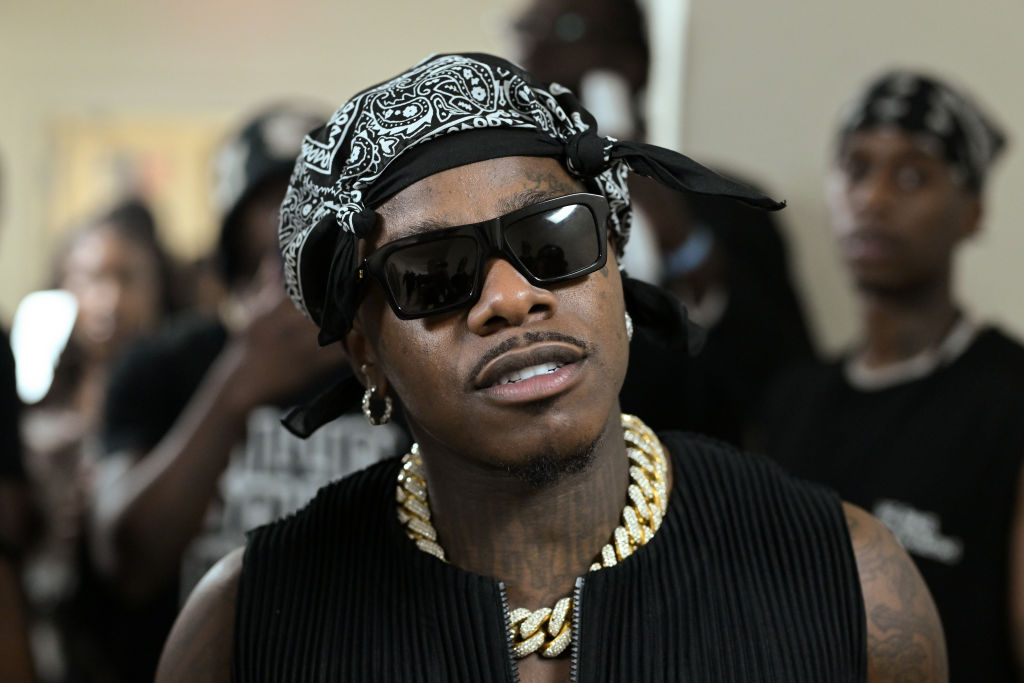
DaBaby‘s Controversial Video & Unexpected meeting with Charlotte Sheriff: A Deep Dive
DaBaby’s latest artistic endeavor has ignited a complex debate, blending grief, artistic licence, and community relations. In september 2025, the rapper released a music video for his song “SAVE ME” that dramatically recreated elements surrounding the tragic stabbing of Iryna Zarutska, a Ukrainian refugee in Charlotte, north Carolina. The resulting backlash was swift and intense, but the story took an unexpected turn with a recent meeting between DaBaby and Mecklenburg County Sheriff Garry McFadden.
What does this controversy reveal about the intersection of art, tragedy, and public perception? And what could this unexpected collaboration signify for the Charlotte community?
The Controversy: Recreating Tragedy & Public Outcry
The video for “SAVE ME” depicts a scenario mirroring the circumstances of Zarutska’s death. DaBaby portrays an intervention in an attempted murder, culminating in a screenshot linking to a GoFundMe campaign for Zarutska’s family – which, as of October 6, 2025, has impressively raised over $471,000. https://www.gofundme.com/f/support-iryna-zarutska-and-her-family
However,many viewers found the artistic representation deeply insensitive. Critics argue the video exploits a real-life tragedy for promotional purposes, blurring the lines between tribute and exploitation. This raises a crucial ethical question: Where does artistic expression end and disrespectful appropriation begin when dealing with profound loss?
The debate isn’t simply about artistic taste. It touches upon the obligation artists have when portraying sensitive events and the potential for retraumatization of those directly affected. Recent studies in media psychology highlight the powerful impact visual representations of trauma can have on viewers, notably those with direct connections to the event. https://www.apa.org/monitor/2024/01/cover-trauma-media
Unauthorized Filming & CATS’ Response
Adding another layer to the controversy, the Charlotte Area Transit System (CATS) confirmed that DaBaby’s team did not obtain the necessary permits to film on the city’s light rail. This led to the production being halted and the team being asked to leave.
This incident underscores the logistical and legal hurdles artists face when incorporating public spaces into their work. It also highlights the importance of respecting local regulations, even when pursuing creative endeavors. Ignoring these protocols can lead to legal repercussions and further fuel public criticism.
Sheriff McFadden & DaBaby: An Unexpected Alliance
The most surprising advancement came with the revelation of a meeting between DaBaby and Mecklenburg County Sheriff Garry McFadden. An Instagram post captured the two sharing a seemingly amicable moment, with DaBaby offering a peace sign. The caption alluded to “vital issues” and “potential collaborations,” sparking widespread speculation. https://nypost.com/2025/10/05/us-news/sheriff-meets-with-dababy-after-rappers-charlotte-video-stirred-light-rail-controversy-potential-collaborations/
While details remain scarce,sources suggest the conversation may have centered on community safety initiatives and potential partnerships.This move has drawn criticism from some, who question the appropriateness of collaborating with an artist whose recent work has been widely condemned. Others see it as a potential opportunity for positive change, leveraging DaBaby’s platform to address critically important local issues.
Sheriff McFadden has a history of community engagement and a willingness to work with individuals from diverse backgrounds. This approach, while sometimes controversial, reflects a commitment to proactive policing and building bridges within the community.
What’s Next? Implications & Future considerations
The DaBaby controversy serves as a potent case study in navigating the complexities of art, tragedy, and public responsibility. It forces us to consider:
* The ethical boundaries of artistic expression: How do artists balance creative freedom with sensitivity towards real-world suffering?
* **The role