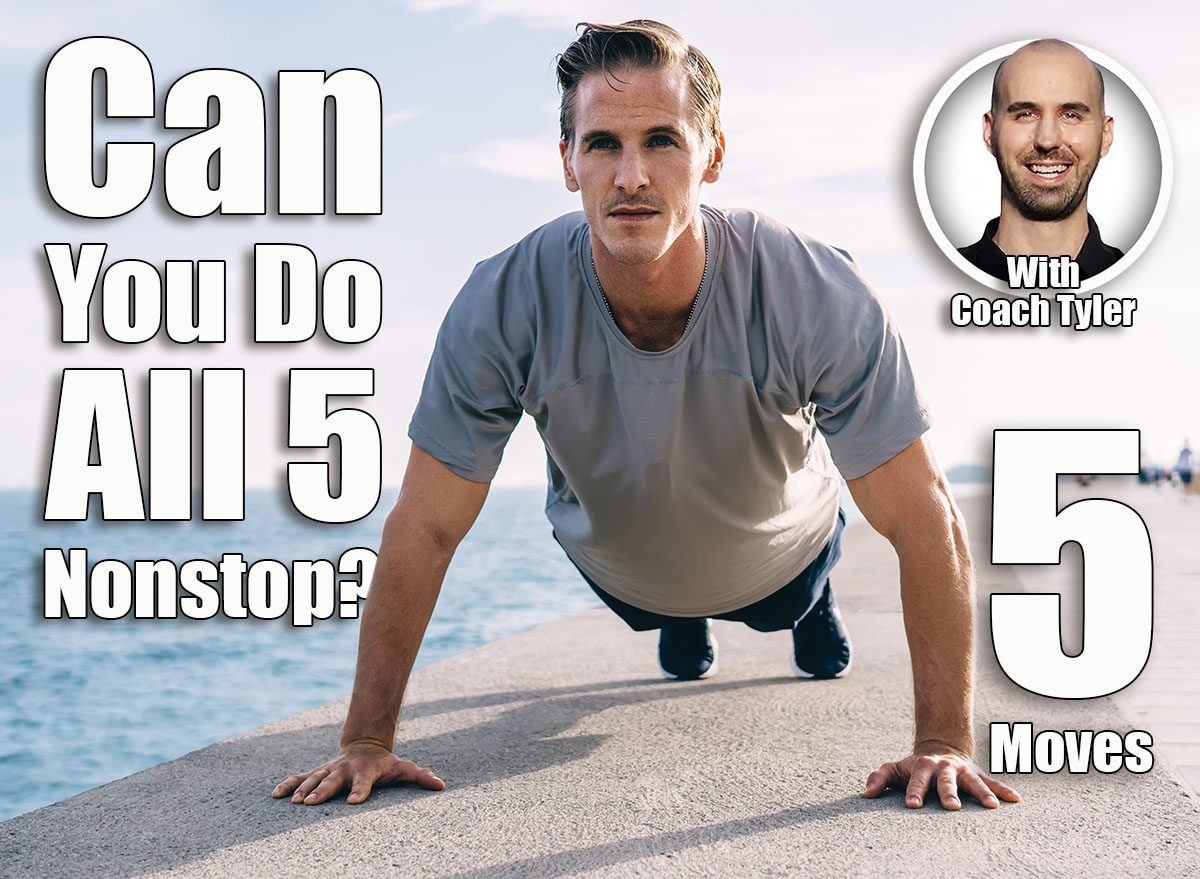
Revitalize Your Strength: 5 Effective Exercises for a Fitter You After 50
As you navigate life after 50, maintaining strength and vitality becomes increasingly significant. It’s a common misconception that you need complex machines or a gym membership to achieve significant results. Fortunately, that’s simply not true. You can build extraordinary muscle and boost your overall fitness with a series of effective bodyweight exercises.
These movements are accessible, require no equipment, and can be modified to suit your current fitness level. Let’s explore five powerful exercises that will help you feel stronger, more balanced, and more energetic.
1. Squats: The Foundation of Lower Body Strength
Squats are a cornerstone exercise for building lower body strength and improving functional movement. They work multiple muscle groups concurrently, including your quads, hamstrings, and glutes.
How to Do It:
* Stand with your feet shoulder-width apart, toes slightly outward.
* Lower your hips as if sitting back into a chair, keeping your back straight and chest up.
* Ensure your knees track in line with your toes.
* Descend until your thighs are parallel to the ground, or as low as comfortably possible.
* Push through your heels to return to the starting position.
* Aim for 10-12 repetitions.
2. Push-Ups: Building Upper Body Power
Push-ups are a fantastic exercise for strengthening your chest, shoulders, and triceps.They also engage your core, contributing to overall stability. Don’t be discouraged if you can’t do a full push-up right away.
How to Do It:
* Start in a plank position with your hands shoulder-width apart, fingers pointing forward.
* Lower your body until your chest nearly touches the ground, keeping your body in a straight line.
* Push back up to the starting position, extending your arms fully.
* If needed, perform push-ups on your knees to reduce the difficulty.
* Complete as many repetitions as you can with good form.
3. Plank Hold: Core Strength and Stability
The plank is a deceptively challenging exercise that targets your deep core muscles.It’s excellent for improving endurance and stability, demonstrating how long you can maintain proper alignment.
how to Do It:
* Place your forearms on the ground with your elbows directly under your shoulders.
* Extend your legs straight behind you,balancing on your toes.
* Keep your body in a straight line from head to heels, engaging your core.
* Hold this position steadily for 30-45 seconds, focusing on maintaining proper form.
* gradually increase the hold time as you get stronger.
4. Reverse Lunges: Balance, Coordination, and Leg strength
Reverse lunges are a great way to test your balance, coordination, and single-leg strength. They are also knee-amiable,engaging your glutes and hamstrings more effectively than forward lunges.
how to Do It:
* Stand tall with your feet hip-width apart.
* Step backward with one leg and lower your body until both knees bend to a 90-degree angle.
* Ensure your front knee stays behind your toes.
* Press through the heel of your front foot to return to the starting position.
* Alternate sides for 8-10 repetitions per leg.
5. Mountain climbers: Cardio and Full-Body Engagement
Mountain climbers are a dynamic exercise that combines cardio with strength training. They work your core, shoulders, and legs, pushing your body to sustain speed and control under fatigue.
How to Do It:
* Begin in a push-up position with your arms locked out.
* Drive one knee toward your chest, then quickly switch legs, mimicking a climbing motion.
* Keep your hips low and your core engaged throughout the exercise.
* Perform 2
Related reading