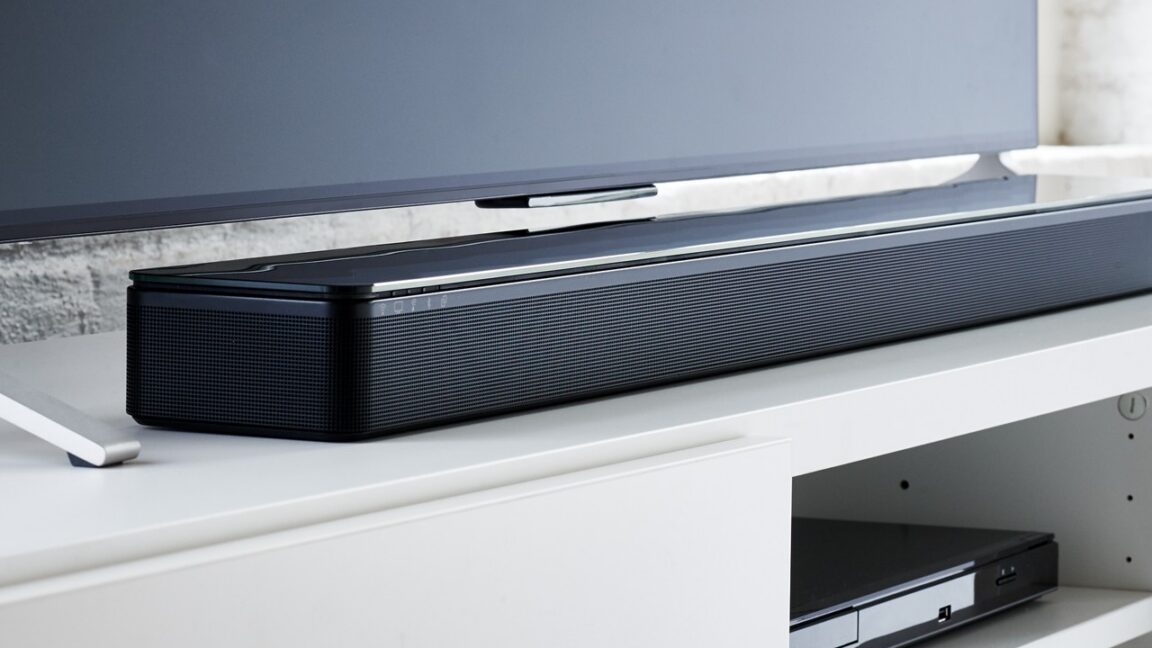
Bose SoundTouch System Sunset: What You Need to Know About Losing Features & Your Options
Bose has announced it will discontinue support for its SoundTouch Wi-Fi speakers and soundbars on February 18, 2026. This means key features of your SoundTouch system will stop working, impacting how you enjoy your audio. This article provides a extensive overview of the situation, your affected functionalities, and available solutions.
What’s Happening with SoundTouch?
Bose informed customers this week that the cloud infrastructure powering the SoundTouch system is being retired. This impacts the SoundTouch app and, consequently, several core functionalities. While your speakers won’t become entirely unusable, the experience will be considerably altered.
The decision, while explained by Bose as a result of technological evolution, has understandably left manny customers frustrated. Let’s break down exactly what you’ll lose and what options you have.
Key Features Affected by the Shutdown
The end of support will impact several features you likely rely on. Here’s a detailed look:
* Music Service Integration: Access to streaming services like Spotify and TuneIn directly through the SoundTouch app will cease.
* Multi-Room audio: the ability to seamlessly play synchronized audio across multiple SoundTouch speakers in different rooms will be lost.
* Preset functionality: Saved radio station presets and customized playlists within the app will become inaccessible. Existing presets may also stop functioning before the February 2026 date.
* Software Updates & Security: Bose will no longer provide security updates for SoundTouch devices, potentially leaving them vulnerable.
* App Support: The SoundTouch app itself will no longer function, removing a central control point for your system.
How Will Your SoundTouch System Still Work?
Despite the loss of these features, your SoundTouch speakers aren’t becoming obsolete overnight. You’ll still have a couple of options for playback:
* AUX & HDMI Connections: You can continue to play audio through a wired connection using AUX or HDMI inputs.
* Bluetooth: Wireless playback will still be possible via Bluetooth. However, be aware that Bluetooth connections are generally less stable and introduce more latency (delay) than Wi-Fi.
Why is Bose Doing This?
Bose attributes the decision to the evolution of technology and the unsustainable cost of maintaining the aging cloud infrastructure. In their official statement, they emphasized a commitment to “creating new listening experiences…built on modern technologies.”
Essentially, the company is shifting its focus to newer products and platforms. While understandable from a business perspective, it doesn’t lessen the impact on loyal SoundTouch customers.
A History of soundtouch & Shifting Priorities
Bose launched the SoundTouch system in 2013, initially offering speakers ranging from $399 to $699. The system was marketed as a premium, whole-home audio solution.
The lineup expanded in 2015 to include more affordable options, from $200 speakers to $1,500 home theater systems. Though, by 2020, Bose began to distance itself from SoundTouch, discontinuing sales of some products while still promising continued software support. That promise, it now appears, had a limited timeframe.
What Are Your Options?
if you’re a SoundTouch owner, you have a few choices:
* Trade-In Program: Bose is offering a trade-in program, providing a credit of up to $200 towards a new Bose product.You can find details and initiate the process here.
* Continue Using with Limited Functionality: You can continue using your SoundTouch speakers with AUX,HDMI,or Bluetooth connections,accepting the limitations.
* Upgrade Your System: Consider upgrading to a newer Bose system or exploring alternative multi-room audio solutions from competitors like Sonos or Yamaha.
The Bigger Picture: Planned Obsolescence & Consumer Rights
The SoundTouch situation highlights a growing concern: planned obsolescence. While technology inevitably advances, abruptly cutting off support for functional hardware raises questions about consumer rights and product longevity.
As a consumer, it’s crucial to research a brand’s long-term support commitments before investing in a connected audio