From Gaza to Dublin: How One Woman Found Resilience Through storytelling in the Face of unimaginable Loss
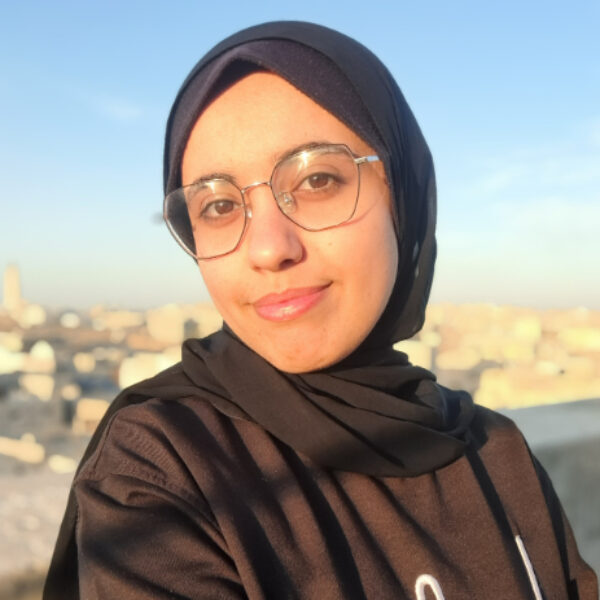
The human spirit’s capacity to endure, to create, and to find meaning even amidst profound suffering is a story worth telling – and retelling. A recent episode of the PalCast podcast, titled “Creativity Comes from Misery – Roaa’s Story,” does just that, offering a deeply moving and vital account of life under conflict and the power of storytelling as a lifeline. Featuring Roaa Aladdin Missmeh, a Palestinian linguist currently pursuing her master’s degree in Dublin, the episode provides a raw and honest glimpse into the realities faced by those living in Gaza, and the enduring emotional weight of displacement and loss.
But this isn’t simply a recounting of hardship. It’s a testament to the resilience of the human spirit, and a powerful exploration of how creativity can blossom even – and perhaps because – of immense pain. This article delves into Roaa’s story, exploring the themes of trauma, identity, and the vital role of narrative in preserving hope.
A Life Disrupted: Repeated Displacement and the Search for Safety
Roaa’s story isn’t unique, sadly. It echoes the experiences of countless Palestinians who have endured decades of conflict and displacement. However, the sheer frequency and intensity of the upheaval she describes are particularly harrowing. she recounts fleeing her home more than a dozen times, a constant cycle of seeking refuge with relatives, friends, or in makeshift camps.This isn’t a matter of relocating; it’s a continuous disruption of life, a constant state of uncertainty and fear.
The conditions within these camps, as Roaa vividly describes, are far from habitable. Imagine enduring frigid winters without adequate shelter, struggling to access clean water, and relying on rudimentary stoves for cooking. These aren’t merely inconveniences; they are basic threats to survival and dignity. A recent report by the UNRWA (United Nations Relief and Works Agency for palestine refugees in the Near East) highlights the deteriorating humanitarian situation in Gaza, with over 70% of the population displaced as of November 2023 https://www.unrwa.org/newsroom/press-releases/unrwa-reports-over-70-percent-gaza-population-displaced. This statistic underscores the scale of the crisis and the immense challenges faced by those seeking safety.
The Illusion of Safe Zones and the weight of Survivor’s Guilt
The podcast episode also confronts the fallacy of “safe zones” within Gaza. Roaa poignantly describes how the designated “safe zone” of Al-Mawasi continued to be targeted by Israeli attacks, demonstrating that no place within Gaza offered true security.This reality challenges the narrative of targeted military operations and highlights the devastating impact of conflict on civilian populations.
Perhaps one of the most heartbreaking aspects of Roaa’s story is her experience with survivor’s guilt. Relocating to Dublin, while offering a degree of safety, brought with it a profound sense of obligation and grief. She articulates the agonizing feeling of surviving while so many loved ones were lost. This is a common experience among refugees and those who have experienced trauma, and it underscores the long-lasting psychological impact of conflict. Research published in The Lancet in November 2023 indicates a important increase in mental health issues, including PTSD and depression, among palestinian civilians in Gaza https://www.thelancet.com/journals/lancet/article/PIIS0140-6736(23)02538-8/fulltext02538-8/fulltext).
Writing as Resistance and Remembrance
Amidst the devastation, Roaa found solace and strength in writing. She describes how it became her escape, a way to document her pain, preserve her identity, and honor the resilience of her people. This highlights the powerful role of art and storytelling in processing trauma and fostering a sense of community.
Writing isn’t just a personal outlet for Roaa; it’s an act of resistance. By documenting her experiences, she challenges dominant narratives and ensures that the stories of those affected by conflict are not forgotten.