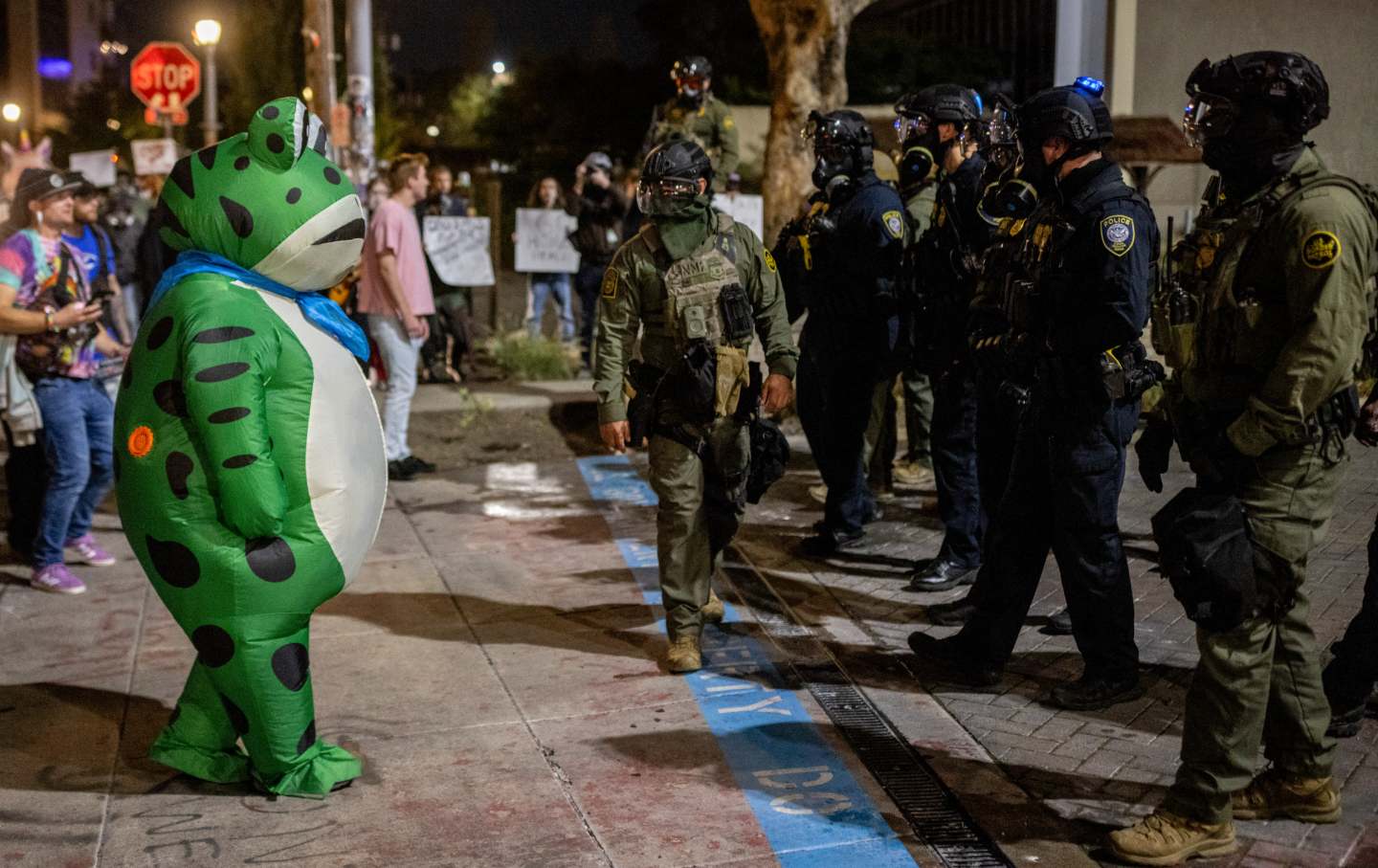
Fifty-five years ago, a powerful wave of protest surged through the streets, ignited by young Chicano activists. Their message was clear: “Our fight is in the barrio, not Vietnam.” This demonstration, known as the Chicano Moratorium, continues to resonate deeply today, offering vital lessons about activism, community, and the pursuit of justice.
The late 1960s and early 1970s were a period of intense social upheaval in the United States. The vietnam War loomed large, and opposition to the conflict grew steadily. Simultaneously, the Chicano movement was gaining momentum, advocating for the rights and self-determination of Mexican Americans.
I’ve found that understanding the context of the Moratorium is crucial. The disproportionate number of Chicano soldiers serving – and dying – in Vietnam fueled outrage within the community.Many felt their sons, brothers, and husbands were being asked to fight for a country that didn’t fully recognize their own citizenship or address the systemic inequalities they faced at home.
Here’s what makes the Chicano Moratorium so important. It wasn’t simply an anti-war protest; it was a declaration of identity and a demand for social change. Activists organized massive demonstrations,particularly in Los Angeles,to highlight the injustices faced by the Chicano community.
The largest demonstration on August 29, 1970, drew an estimated 20,000 participants to East Los Angeles. It began as a peaceful march, but tensions escalated quickly. Law enforcement responded with excessive force,resulting in violence and tragedy.
Sadly, the events of that day included the deaths of several people, including journalist Rubén Salazar. His death, in particular, became a rallying cry for the movement, symbolizing the suppression of Chicano voices.
You might be wondering what the lasting impact of the Moratorium was. It galvanized the Chicano Movement, leading to increased political awareness and activism within the community. It also prompted a reevaluation of law enforcement tactics and a greater focus on community policing.
Consider these key outcomes of the Chicano Moratorium:
* Increased Political depiction: The movement spurred greater Chicano participation in the political process.
* Educational Reforms: Activists fought for and achieved improvements in education, including bilingual education programs.
* Cultural Pride: The Moratorium fostered a stronger sense of cultural identity and pride within the Chicano community.
* Community Organizing: It demonstrated the power of collective action and community organizing.
The spirit of the Chicano Moratorium lives on in contemporary movements for social justice. It serves as a reminder that fighting for your community and challenging systemic inequalities are essential components of a just society.
Today, as you witness ongoing struggles for racial and social equality, remember the lessons of 1970. The fight for justice is often long and arduous, but the courage and determination of those who came before us can inspire us to continue the work.
It’s significant to remember that the issues raised by the Chicano Moratorium – police brutality, systemic racism, and economic inequality - remain relevant today. By understanding the past, we can better address the challenges of the present and build a more equitable future for all.
Related reading
- Gold Market Trend Review and Weekly Analysis by Yuan Youjiang
- How to Watch WWE Minneapolis This Weekend: Live Stream and TV Schedule
- Federal Reserve Chair Kevin Warsh Resists Trump Rate Cuts Amid Inflation (archyworldys.com)
- Trump’s Pressure on the Fed: The Battle Over Interest Rate Cuts (archynewsy.com)