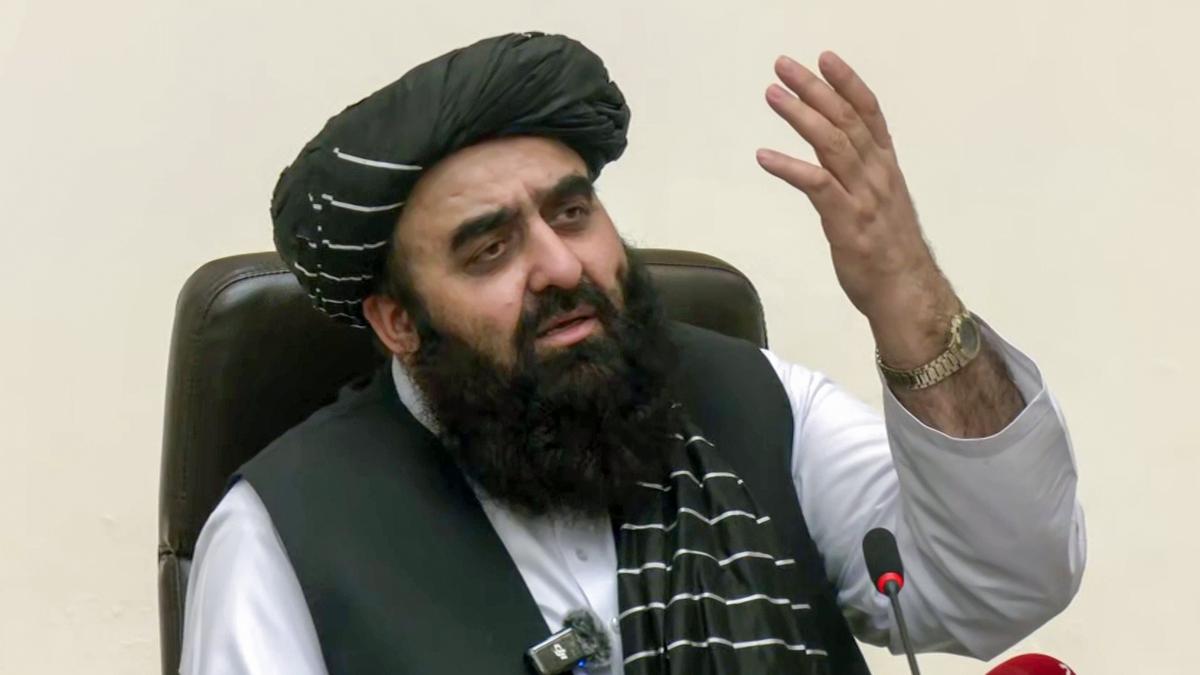
Navigating a new reality: Taliban Foreign Minister’s Visit to India Signals Shifting regional Dynamics
Recent developments surrounding Afghanistan have placed the nation firmly back in the spotlight. The visit of Taliban Foreign minister Amir Khan Muttaqi to India this week marks a significant, albeit complex, step in the evolving geopolitical landscape of South and Central Asia. This analysis delves into the key takeaways from his trip, examining the implications for India-Afghanistan relations, regional trade, and the Taliban’s stance on international engagement.
A Delicate Balancing Act: Airstrikes and Diplomatic Overtures
The timing of Muttaqi’s visit is particularly noteworthy, coming shortly after reports of Pakistani airstrikes within Afghanistan. These strikes, allegedly targeting a TTP (Tehreek-e-Taliban Pakistan) leader, underscore the ongoing security challenges in the region. Interestingly, local reports suggest minimal visible impact from the strikes, a detail that raises questions about the operation’s effectiveness and the details landscape.
despite this backdrop of regional tension, India proceeded with the high-level engagement, demonstrating a pragmatic approach to navigating a challenging situation. This signals a willingness to engage directly, even with a government not yet formally recognized.
Boosting Trade: A Key Focus of the Visit
A central theme of Muttaqi’s discussions with Indian officials, including External Affairs Minister S. Jaishankar, revolved around strengthening economic ties. He specifically advocated for:
* Revitalizing the Wagah Border: Muttaqi emphasized the economic viability of trade through the wagah border crossing between India and Pakistan, urging both nations to maintain its functionality. He positioned it as a cost-effective route for Afghan trade.
* Optimizing Chabahar Port: He called for the removal of obstacles hindering the full utilization of the Iranian port of chabahar for India-Afghanistan trade. He highlighted the already impressive $1 billion in bilateral trade over the past year, suggesting significant potential for growth.
* Expanding Bilateral Commerce: The overall goal is to increase trade volume and diversify economic partnerships, crucial for Afghanistan’s reconstruction and stability.
Addressing Security Concerns and foreign Presence
Muttaqi addressed concerns regarding Afghanistan’s security situation and the potential for foreign military presence. He firmly stated the Taliban’s opposition to the return of foreign troops, particularly referencing past experiences and a strong national sentiment against external intervention.
He asserted that Afghanistan has achieved independence after decades of conflict and deserves respect for its sovereignty.This stance reflects a core tenet of the Taliban’s ideology and a key driver of their resistance to foreign influence.
Controversies and Criticisms: A Press Conference Marked by Tension
the press conference held during Muttaqi’s visit was not without its share of controversy. Several issues came to the fore:
* All-Male Delegation & Exclusion of Women Journalists: The event drew criticism for its lack of female representation, both among the Taliban delegation and in the media access provided. This reinforces ongoing concerns about the Taliban’s treatment of women.
* Disputed Embassy Control: A tense exchange occurred between Muttaqi’s team and representatives of the Islamic Republic of Afghanistan, who continue to operate from the Afghan embassy in Delhi. The dispute centered on the display of the Taliban’s flag,highlighting the ongoing struggle for legitimacy and representation.
* Defense of Taliban Policies: Muttaqi defended the Taliban’s policies regarding women, attributing criticism to “international propaganda” and claiming an enhancement in the overall law and order situation. This assertion is widely disputed by international observers and human rights organizations.
Future Steps: Diplomatic Gradualism and Regional engagement
Despite the lack of formal recognition, India is taking a measured approach to engagement. Muttaqi indicated plans to gradually upgrade the Taliban’s presence in Delhi, starting with the deployment of diplomats to the existing Afghan embassy.
His scheduled visit to the Darul Uloom in Deoband, a prominent Islamic seminary, further underscores the Taliban’s efforts to build relationships with influential religious institutions in India.this outreach is likely aimed at garnering support and legitimacy within the Indian Muslim community.
Expert Analysis: Implications and Outlook
muttaqi’s visit represents a calculated move by the Taliban to broaden its diplomatic horizons and secure economic support. India, while maintaining a cautious stance, recognizes the necessity of engaging with the de facto government in Afghanistan to protect its interests and promote regional stability.
Though, significant challenges remain. The Taliban’s human rights record, particularly concerning women,
Related reading