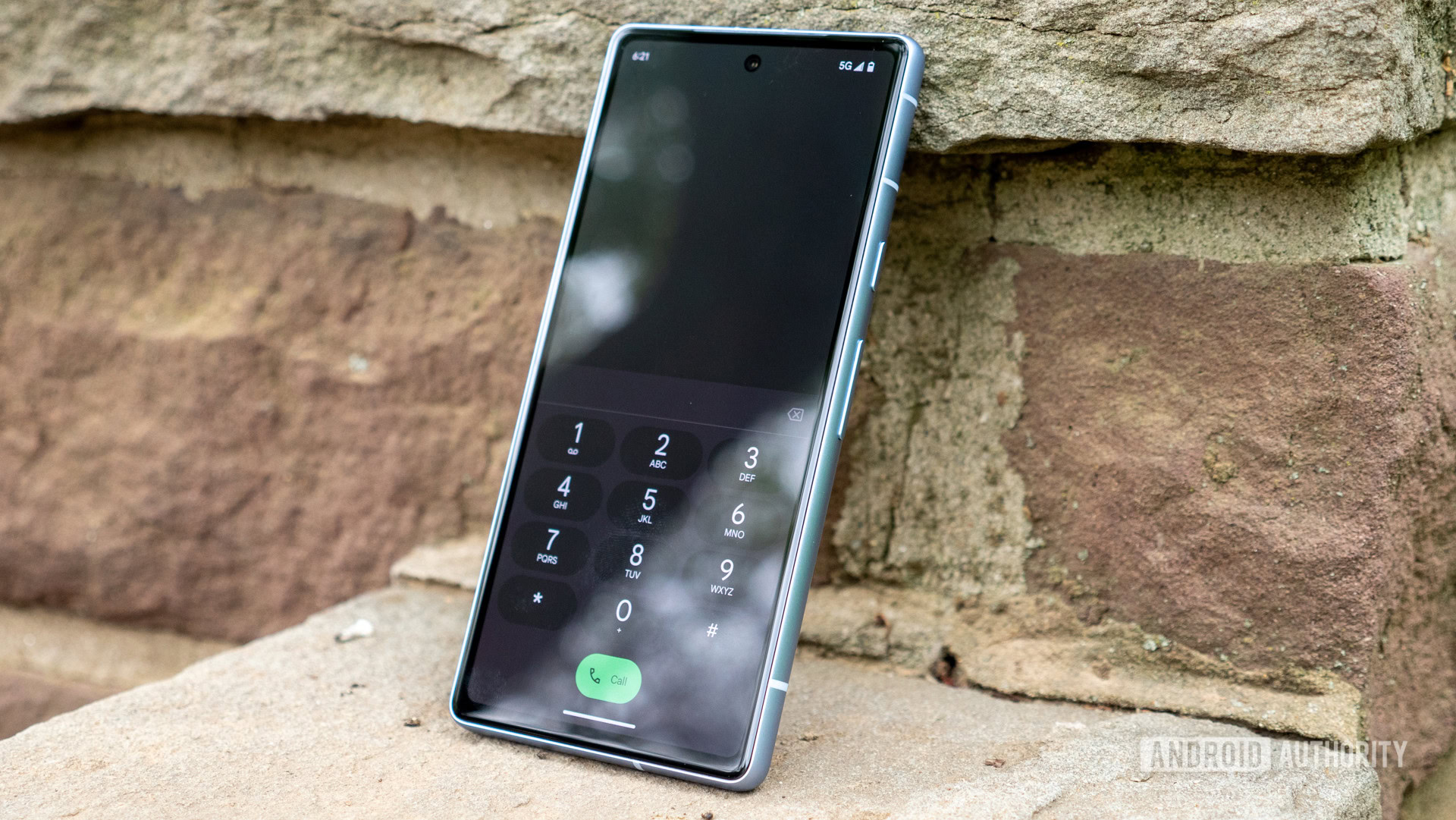
Pixel Users Lose volte Workaround, But Hope Remains – Here’s What You Need to know
For Pixel phone owners relying on workarounds to enable VoLTE (Voice over LTE) and VoWiFi (Voice over WiFi) in unsupported regions, recent changes with the october 2025 Pixel update have thrown a wrench into the system. A long-standing loophole allowing these features to be activated has been closed by Google, but a new, albeit limited, solution has emerged. Here’s a breakdown of what happened, why it matters to you, and what your options are.
The Loophole and How It Worked
Android’s security framework normally restricts app access to critical telephony functions. However, a clever workaround existed, leveraging a testing feature intended for developers. Specifically, the “shell” user – the same one used for Android Debug Bridge (ADB) commands – could override carrier configurations.
The Pixel IMS app, a popular tool for enabling VoLTE/VoWiFi, utilized this by employing Shizuku, an open-source app. Shizuku allowed Pixel IMS to run processes with the elevated privileges of the shell user, effectively bypassing the standard restrictions. This allowed you to gain access to features your carrier or region didn’t officially support.
Google Closes the Door
After over two and a half years, Google has patched this loophole. Following the October 2025 update, Pixel IMS began crashing when attempting to toggle VoLTE or VoWiFi. The error message is direct: “overrideConfig cannot be invoked by shell.”
Google has designated this fix as CVE-2025-48617, classifying it as a high-severity privilege escalation vulnerability. While not immediately included in the October Security Bulletin due to Google’s new Risk-Based Update System (RBUS), it’s expected to appear in the December quarterly security update. This means Google deemed the risk, while notable, didn’t warrant immediate patching.
A New Workaround – With limitations
Don’t despair entirely. A developer has reportedly discovered a new workaround, offering a temporary solution. Though, it’s not as straightforward as the previous method.
* Accessibility: instructions are currently only available in Chinese.
* Distribution: The necessary APK is distributed via the developer’s Telegram channel.
* Functionality: Critically, this new method only enables VoLTE, leaving VoWiFi functionality unavailable.
What Dose This Mean for You?
the closure of the original loophole and the limitations of the new workaround present a few scenarios:
* VoLTE Only Needed: If you primarily need VoLTE for improved call quality, the new workaround might suffice, assuming you can navigate the installation process.
* VoWiFi Essential: If you rely on VoWiFi for calls in areas with poor cellular reception, your options are more limited.
* Rooting Your Phone: The most comprehensive solution for regaining full control is rooting your phone. However, this comes with significant drawbacks:
* Bootloader Unlock: Unlocking the bootloader is required, which can compromise security.
* Feature Loss: It can break features on newer devices like those powered by Gemini.
* Google Wallet Issues: Rooting frequently enough complicates using Google Wallet.
* Official Support: The best long-term solution is waiting for Google to officially enable VoLTE and vowifi in your region. The company has recently indicated they are actively working on expanding support.
Staying Informed
This situation highlights the ongoing cat-and-mouse game between developers finding workarounds and Google tightening security. We’ll continue to monitor the situation and provide updates as they become available.
Resources:
* Android Authority: How to Use ADB
* Android Authority: Best Open Source Android Apps
* [Android Authority: October 2025 Pixel Update](https://www.androidauthority.com/october-2025-pixel-update-360