Breathing New Life into City Centers: The Rise of Office-to-Home Conversions
Empty office buildings are becoming a familiar sight in many city centers. However, a quiet revolution is underway, transforming these vacant spaces into much-needed homes. This shift isn’t just about aesthetics; it’s a strategic response to evolving urban needs and a potential solution to housing shortages.
A Growing Trend with Proven Success
Several cities are actively encouraging the conversion of underutilized office spaces into residential units.Adelaide, Australia, is leading the charge with a particularly prosperous programme. The city council and state government are collaborating to provide financial incentives and streamlined approvals for these projects.
Specifically, they’re offering up to $75,000 per project, with additional funds available for services and construction costs. This proactive approach has already yielded 52 completed projects, primarily focusing on smaller office spaces and shop-top conversions. Furthermore, another 150 properties have been identified as prime candidates for similar transformations, with larger-scale projects on the horizon.
Why This Matters to You
You might be wondering why this trend is gaining momentum. Hear’s a breakdown of the key benefits:
* Increased Housing Supply: Converting existing buildings is often faster and more sustainable than new construction, quickly adding to the housing stock.
* Revitalized City Centers: Bringing residents back into downtown areas boosts local businesses and creates a more vibrant community.
* Sustainable Practices: Repurposing existing structures reduces construction waste and minimizes the environmental impact.
* Preservation of Heritage: Many office buildings, particularly those in historic districts, possess architectural significance that can be preserved through conversion.
Beyond Adelaide: What other Cities Are Doing
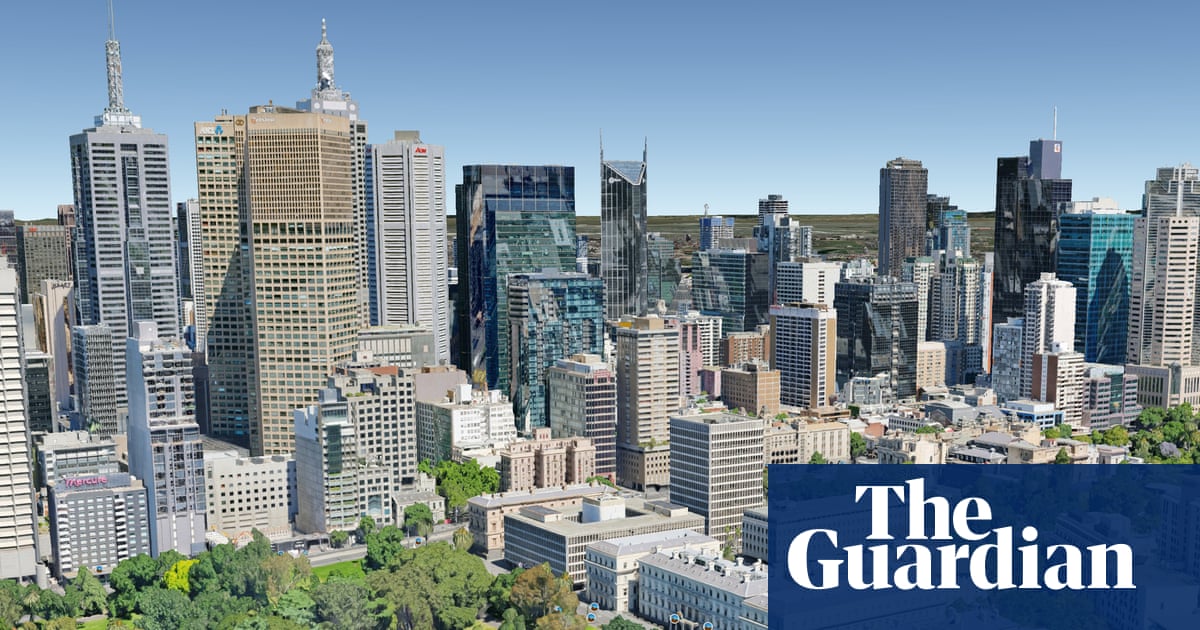
While Adelaide’s incentive program is unique in its scope, other cities are exploring similar strategies. Melbourne, for example, is considering lowering council rates, increasing building height allowances, and waiving request fees to encourage conversions.
architects and urban planners are actively engaging with government officials in various cities to advocate for supportive policies. They believe that with the right incentives, more projects can be brought to fruition.
The Challenges and Opportunities Ahead
Of course, office-to-home conversions aren’t without their challenges. Building codes, structural limitations, and the need for updated infrastructure can all present hurdles. However, these challenges are often outweighed by the benefits.
Successfully navigating these complexities requires a collaborative effort between developers, architects, and government agencies. It also demands innovative design solutions that maximize space and functionality.
Looking Forward: A More Sustainable Urban Future
The trend of converting office buildings into homes represents a important possibility to reshape our cities. By embracing this approach, we can create more vibrant, sustainable, and livable urban environments for everyone. It’s a win-win scenario that addresses housing needs while preserving the character of our communities.
Ultimately, this isn’t just about filling empty buildings; it’s about building a better future for our cities and the people who call them home.
Keep reading