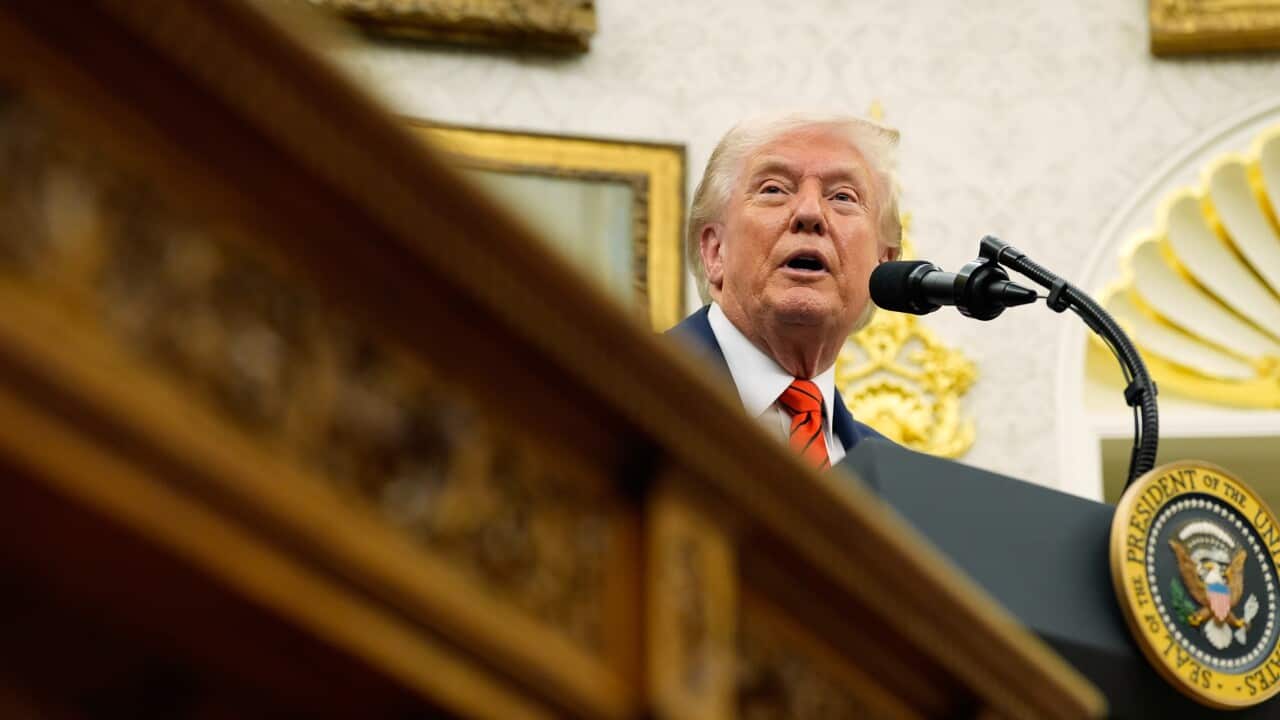
Trump Signals Shift in China Trade Stance Amidst Tariff Threats and Market Volatility
October 12, 2025 – A dramatic week of escalating trade tensions between the United States and China has taken an unexpected turn, with US President Donald Trump adopting a markedly more conciliatory tone towards Beijing. This shift comes after a period of heightened rhetoric, including a proposed 100% tariff on Chinese goods set to take effect November 1st, and questions surrounding a planned meeting with Chinese President Xi Jinping.
The change in approach was signaled in a post on Trump’s Truth Social platform, where he stated: “Don’t worry about China, it will all be fine! Highly respected President Xi [Jinping] just had a bad moment. He doesn’t want Depression for his country, and neither do I. The U.S.A. wants to help China, not hurt it!!!”
This statement represents a notable departure from the aggressive stance Trump took on Friday, when he announced the significant tariff increase in response to China’s newly implemented export controls on rare earth minerals. He had also cast doubt on the viability of a forthcoming meeting with President Xi, citing the ongoing trade dispute.
Understanding the Sudden Shift: Market Concerns and Strategic reassessment?
The precise catalyst for this softening of tone remains unclear. However, several factors likely contributed to the change. A key consideration appears to be the impact on US financial markets.
The US stock market is poised to reopen on Monday, while bond markets will remain closed for the Columbus Day holiday. Friday’s trading session saw a significant downturn, with the S&P 500 plummeting 2.7% – its worst performance in approximately six months – directly following Trump’s tariff threat. This sharp decline underscores the sensitivity of markets to escalating trade conflict and suggests a potential desire to stabilize investor confidence.
As a seasoned observer of international trade and economic policy, it’s evident that abrupt policy shifts like these are rarely made in a vacuum. The potential for broader economic repercussions, both domestically and globally, likely weighed heavily on the decision-making process.
China Responds: Accusations of “Double Standards”
The initial tariff threat from the US was predicated on accusations that China was implementing export restrictions on rare earth elements and other critical materials, potentially disrupting global trade. Trump argued that China had been communicating these restrictions to countries worldwide.
China’s Commerce Ministry swiftly countered these claims, accusing the US of hypocrisy and employing “double standards.” The Ministry highlighted the escalating economic measures imposed by the US on China since September, arguing that the constant threat of tariffs is counterproductive to constructive engagement.
Currently, chinese goods are subject to 30% tariffs imposed by the US during Trump’s previous administration, based on concerns regarding unfair trade practices and China’s alleged role in the fentanyl trade. China has retaliated with tariffs of its own, currently set at 10%.
The Strategic Importance of Rare Earths: A Critical Resource in Global Competition
The current dispute centers heavily on rare earth minerals, which have become a focal point in the broader US-China trade war. These elements are indispensable components in a vast array of modern technologies, including smartphones, electric vehicles, military hardware, and renewable energy systems.
China currently dominates the global supply chain for processed rare earths and rare earth magnets, controlling over 90% of the market. This dominance gives Beijing significant leverage in international trade and technology.
On Thursday, China’s Commerce Ministry expanded its export control list to include five additional rare earth elements – holmium, erbium, thulium, europium, and ytterbium – alongside related materials. While these controls have raised concerns about potential supply disruptions, the Ministry has attempted to allay fears by emphasizing that these are not outright export bans.
the Ministry stated that applications for civilian use that comply with regulations will be approved, and that general-purpose licenses and exemptions will be granted to facilitate compliant trade.This suggests a strategy of controlled access rather than complete restriction.
Looking Ahead: Navigating a Complex Relationship
The recent volatility underscores the complex and often unpredictable nature of the US-China trade relationship. While Trump’s softened tone offers a temporary reprieve, the underlying tensions remain.
The future trajectory of this relationship will depend on several factors, including:
* Continued Dialogue: The potential meeting between Trump and Xi Jinping remains a crucial chance for direct communication and de-escalation.
* Market Stability: Maintaining stability in global financial markets will be a key priority for both sides.
* Supply Chain Diversification: The
- Boy George pulls out of ‘Jesus Christ Superstar’ at London Palladium days before first show
- Ferrari Sells Out All Initial Units of New “Luce” Electric Car
- ASEAN Seeks Trade Predictability Amid US Tariff Concerns (world-today-news.com)
- The Senate Blue Slip, Explained: The Custom Trump Wants Gone (daybreakwire.com)