
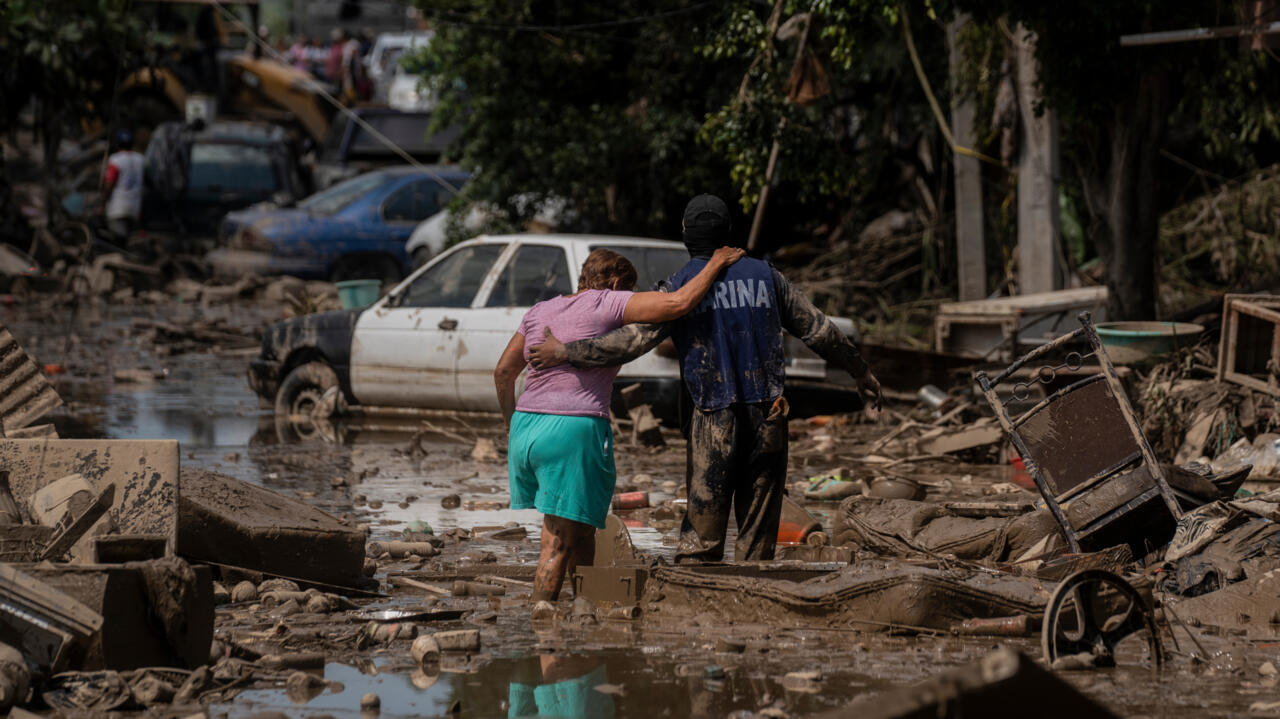
Devastating floods in Mexico Leave Residents Facing Oil Contamination & Recovery Challenges
Recent torrential rains and widespread flooding across five Mexican states have resulted in a tragic loss of life, significant displacement, and a complex cleanup effort. As of Monday, teh disaster has claimed 64 lives, left 65 individuals missing, and damaged an estimated 100,000 homes. But beyond the immediate devastation of water damage, residents in the oil-rich city of Poza Rica are now grappling with the added challenge of oil contamination.
A City Built on Oil, Now Soaked in it
Poza Rica, located near the Gulf of Mexico, is deeply intertwined with MexicoS oil industry.The recent floods, triggered by the remnants of Hurricane Priscilla and Tropical Storm Raymond, have carried crude oil residue into homes and across the landscape. This presents a unique and concerning layer to the recovery process.
Lilia Ramírez,a resident of Poza Rica,recounts a harrowing escape just fifteen minutes before floodwaters engulfed her home. Upon returning, she discovered not only extensive water damage – flooding reaching the ceiling – but also black oil streaks coating her walls. “Never before has it been tarred before like that,” she stated, describing the shocking change of her once-pink walls.
The Scope of the Disaster
The scale of the flooding is immense. Here’s a breakdown of the impact, as of Monday:
* Fatalities: 64 confirmed deaths across five states.
* Missing: 65 individuals remain unaccounted for.
* Damaged Homes: Approximately 100,000 homes impacted.
* Affected States: Veracruz (29 deaths),Hidalgo (21 deaths),Puebla (13 deaths),Querétaro (1 child death),and others.
* Rainfall: some areas of Veracruz state received a staggering 24.7 inches (62.7 centimeters) of rain between October 6th and 9th.
government Response & Ongoing Challenges
The Mexican government has mobilized significant resources to address the crisis. President Claudia Sheinbaum announced the deployment of 10,000 troops alongside civilian rescue teams. Helicopters are actively delivering essential supplies – food and water - to over 200 isolated communities and evacuating the sick and injured.
“There are sufficient resources, this won’t be skimped on… because we’re still in the emergency period,” President Sheinbaum assured the public during a press briefing. Tho, access to some areas remains difficult, requiring continued aerial support to deliver aid. She acknowledged it could take days to fully reach all affected communities.
oil Contamination & Concerns
The presence of oil in the floodwaters is raising serious concerns among residents. Roberto Olvera, a neighbor of Ramírez, reported that a siren from a nearby Pemex (Mexico’s state-owned oil company) facility warned them of the impending danger.He noted the anguish of those who remained behind, some of whom tragically perished.
While Pemex has stated they have no current reports of an oil spill, residents recall instances where the company previously drained nearby areas during heavy rains to prevent oil from spreading. This history fuels anxieties about the source and extent of the contamination. You can understand why residents are questioning the situation.
Looking Ahead: Recovery & Prevention
The immediate focus remains on rescue, relief, and providing essential aid to those affected. however,a long and complex recovery process lies ahead. This includes:
* Cleanup: Removing mud, debris, and, critically, oil contamination from homes, businesses, and public spaces.
* Health Concerns: Addressing potential health risks associated with exposure to oil and contaminated water.
* Infrastructure Repair: Rebuilding damaged infrastructure, including roads, bridges, and utilities.
* Long-Term Support: Providing ongoing support to displaced families and communities.
President Sheinbaum defended the government’s warning systems, stating that predicting the intensity of these rains was exceptionally difficult, unlike preparing for hurricanes. Nevertheless, a thorough review of disaster preparedness and early warning systems will be crucial to mitigating the impact of future events.
Sources:
* FRANCE 24 with AP. (Original reporting used as a basis for this article).


