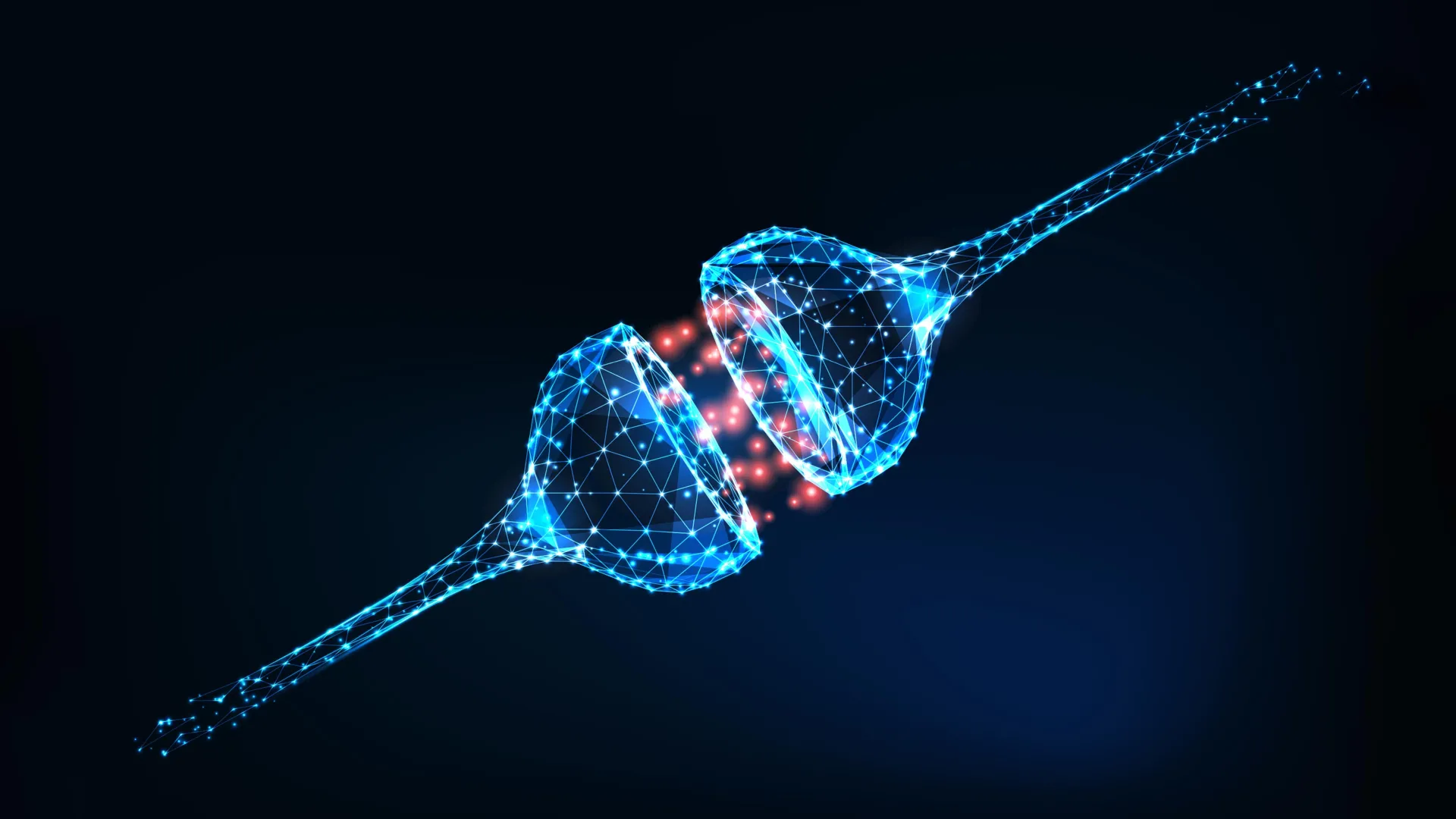
Bio-Inspired Computing: UMass Amherst Engineers Create Artificial Neuron Mirroring Brain Efficiency
Teh quest for energy-efficient computing has taken a important leap forward. Researchers at the University of Massachusetts Amherst have unveiled a groundbreaking artificial neuron that replicates the electrical activity of its biological counterpart with unprecedented fidelity. This innovation, building upon prior work with electricity-generating bacterial nanowires, promises a future of computing that’s not only faster but dramatically more sustainable – and perhaps capable of seamless integration with the human body.
The Energy Gap: Why Our Brains outperform modern Computers
Our brains are marvels of efficiency. Consider this: performing a complex task like composing a story requires approximately 20 watts of power in the human brain. Yet, a Large Language model (LLM) – like the one powering ChatGPT – can demand over a megawatt to achieve a comparable outcome. This stark contrast highlights a critical challenge in modern computing: the massive energy consumption of current systems.
“Our brain processes an enormous amount of data,” explains Shuai Fu, a graduate student in electrical and computer engineering at UMass Amherst and lead author of the study published in Nature Communications. “but its power usage is very, very low, especially compared to the electricity it takes to run an LLM.”
The human body,and the brain specifically,operates with an electrical efficiency exceeding that of typical computer circuits by a factor of 100 or more. Billions of neurons, specialized cells transmitting electrical signals, orchestrate this remarkable feat. for decades, engineers have strived to emulate this efficiency in artificial systems, but a key hurdle has remained: replicating the low-voltage operation of biological neurons.
Breaking the Voltage Barrier: A New Approach to Artificial Neurons
Previous attempts at creating artificial neurons required ten times more voltage – and a hundred times more power – than the newly developed UMass Amherst design. This rendered earlier iterations inefficient and incompatible with direct connection to living neurons, which are highly sensitive to strong electrical signals.
“Ours register only 0.1 volts, which is about the same as the neurons in our bodies,” states Jun Yao, associate professor of electrical and computer engineering at UMass Amherst and the paper’s senior author. This breakthrough opens doors to a new generation of bio-integrated electronics.
Beyond Efficiency: Applications shaping the Future
The potential applications of this low-powered artificial neuron are far-reaching. they span a spectrum of possibilities, from fundamentally redesigning computer architecture to creating sophisticated, body-integrated devices.
Yao envisions a future where wearable sensors are no longer “clunky and inefficient.” Currently, these devices require electrical amplification to translate biological signals into a format computers can understand. This amplification process consumes power and adds complexity. “Sensors built with our low-voltage neurons could do without any amplification at all,” Yao explains, streamlining the process and considerably reducing energy demands.
The Power of Geobacter sulfurreducens: Nature’s Nanowires
The secret behind this innovation lies in protein nanowires derived from Geobacter sulfurreducens, a remarkable bacterium known for its electricity-producing capabilities. Yao and his team have previously harnessed these nanowires to create a diverse range of highly efficient devices, including:
* Self-powered Biofilms: A biofilm powered by human sweat, capable of powering personal electronics.
* Electronic Noses: Devices capable of detecting disease through scent analysis.
* Ambient Energy Harvesters: Devices that can generate electricity from the surrounding surroundings, built from virtually any material.
This latest progress builds on this foundation, demonstrating the immense potential of bio-inspired materials in revolutionizing electronics.
Funding & Future Directions
This research was generously supported by the Army Research Office,the U.S. National Science Foundation, the National Institutes of Health, and the Alfred P. Sloan Foundation. The team is now focused on scaling up production of the nanowires and exploring the integration of these artificial neurons into more complex circuits and systems.
Evergreen Insights: The Rise of Neuromorphic Computing
This research is a key component of the burgeoning field of neuromorphic computing. Unlike traditional computers that rely on binary code and sequential processing, neuromorphic systems aim to mimic the structure and function of the human brain. This approach promises significant advantages in areas like pattern recognition, machine learning, and real-time data processing. The development of efficient artificial neurons, like the one created at UMass Amherst, is crucial for realizing the full potential of neuromorphic computing and ushering in a new era of intelligent, energy-conscious technology. expect to see continued advancements in bio-integrated electronics and a blurring of the lines between biology and technology in the coming years.
Frequently Asked Questions
1. What is an artificial neuron, and why is it critically important? An artificial neuron is a component designed