India Champions UN Peacekeeping Reform at Landmark Chiefs Conclave, Pushing for Greater Global South Representation
New Delhi, October 17, 2025 – India has concluded a highly successful three-day united Nations Troop Contributing Countries (UNTCC) Chiefs conclave, solidifying its position as a leading advocate for a more representative, effective, and technologically advanced UN peacekeeping architecture. The conclave, hosted from October 14-16, brought together chiefs from 32 nations contributing troops to UN missions, alongside senior UN officials, policymakers, and industry leaders, marking a pivotal moment in the ongoing dialog surrounding global peace and security.
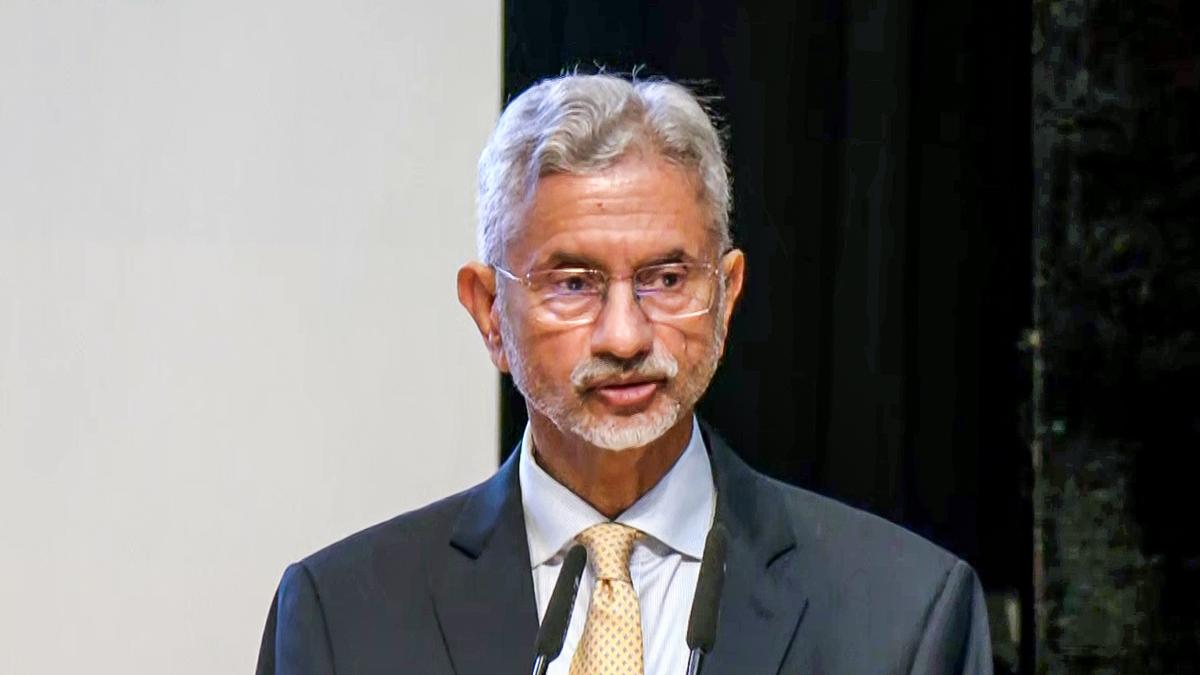
The event underscored a growing consensus that UN peacekeeping operations must evolve to address the complexities of the modern geopolitical landscape. External Affairs Minister S. Jaishankar, in a key address at the Manekshaw Center, powerfully articulated the need for adaptation. “UN peacekeeping remains a cornerstone of global stability, but it must adapt to emerging challenges,” he stated, emphasizing the critical importance of “realistic mandates, better technology, and enhanced safety for peacekeepers.” This sentiment resonated throughout the discussions, reflecting a shared understanding that the status quo is insufficient to meet the demands of increasingly volatile conflict zones.
A Call for a More inclusive UN
A central theme of the conclave was the imperative to amplify the voices of troop-contributing nations,notably those from the developing world. Jaishankar directly linked the UN’s future legitimacy to its ability to genuinely represent the aspirations of the rising Global south. ”The UN’s legitimacy, and I would say, the UN’s credibility, depend on it doing so,” he asserted, highlighting a long-standing concern regarding the disproportionate influence of permanent Security Council members.This call for inclusivity isn’t merely about fairness; it’s about ensuring that peacekeeping missions are informed by the on-the-ground realities and perspectives of those who bear the greatest burden of risk and duty.
Prioritizing Peacekeeper safety and Technological Advancement
Beyond representation, the conclave focused on concrete steps to improve the effectiveness and safety of peacekeeping operations. discussions centered on leveraging indigenous and cost-effective technologies to enhance mission success,improve interoperability between forces,and bolster training frameworks to prepare troops for complex and unpredictable environments. The need for realistic mandates, tailored to specific conflict dynamics, was also repeatedly emphasized.
Army Chief General Upendra Dwivedi’s bilateral meetings with counterparts from Burundi, Tanzania, Poland, Ethiopia, Nepal, and Uganda further underscored this commitment to strengthening defense cooperation and fostering closer coordination. Thes engagements weren’t simply ceremonial; thay represented a tangible effort to build practical partnerships and enhance the collective capacity for peacekeeping.
President Murmu Affirms India’s Dedication to Global Peace
The conclave’s importance was further highlighted by a call from President Droupadi Murmu to the participating delegation at rashtrapati Bhavan. President Murmu lauded the positive contributions of Indian peacekeepers and expressed her appreciation for the collective resolve towards lasting peace and prosperity. She stressed the necessity of “co-opting all stakeholders and exploiting technology to ensure deeper cooperation, enduring friendship and safety of UN peacekeepers,” reinforcing India’s commitment to a collaborative and technologically driven approach to peacekeeping.
A Symbolic Commitment to Sustainability
The conclave wasn’t confined to strategic discussions.A poignant visit to the National War Memorial honored the sacrifices of fallen peacekeepers, while a tree plantation ceremony at the Manekshaw Centre – the planting of Ashoka saplings in a newly designated ‘Peacekeepers Grove’ – symbolized a joint pledge towards sustainability and a greener future, aligning with the broader goals of responsible peacekeeping. This initiative, linked to the national ‘Ek Ped Maa Ke Naam’ campaign, underscored the interconnectedness of peace, security, and environmental stewardship.
Looking Ahead: A Unified Vision for Future Peacekeeping
The conclave concluded with a unanimous affirmation: UN peacekeeping must “adapt to new realities.” This adaptation requires inclusive decision-making with a stronger voice for troop-contributing nations, safeguarding peacekeepers through realistic mandates, leveraging appropriate technologies, and enhancing interoperability and training.
India’s successful hosting of the UNTCC Chiefs Conclave demonstrates its unwavering commitment to multilateralism and its proactive role in shaping the future of global peace and security. The event served as a powerful platform for forging consensus, fostering partnerships, and advancing a shared vision of a secure, inclusive, and stable world order – a vision that recognizes the vital contributions of the Global South and prioritizes the safety and effectiveness of those who risk their lives to maintain peace.
[Image of UNTCC Chiefs at the National War Memorial – as provided in the original article]
**Key improvements and E-
Worth a look