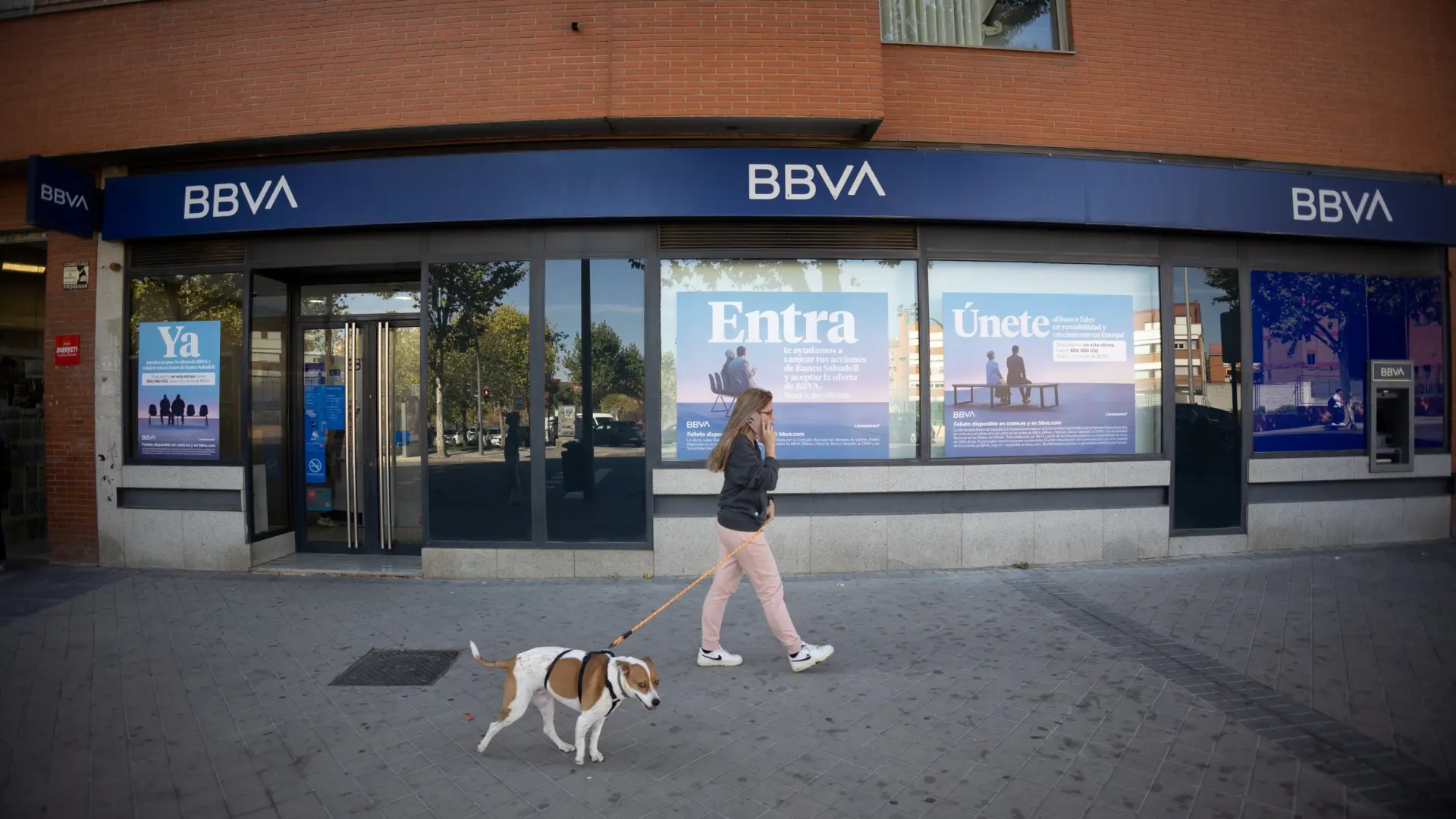
BBVA Stock Surges After Sabadell Takeover Bid Fails: What Investors Need to Know
Did you notice the notable jump in BBVA’s stock price this week? The Spanish banking giant experienced a nearly 7% surge on Wall Street following the collapse of its bid to acquire Banco Sabadell. This article breaks down what happened, why BBVA’s stock reacted this way, and what it means for your investments and the broader financial landscape. We’ll cover the details of the failed takeover, the current stock performance, and future outlook for both BBVA and Sabadell.
The failed Sabadell Takeover: A Recap
BBVA launched a takeover offer (OPA – Oferta Pública de adquisición) for Banco Sabadell, aiming to consolidate its position in the Spanish banking market. The offer involved exchanging shares, proposing one new BBVA share for every 4.8376 shares of Sabadell. However, the bid ultimately fell short, securing only 25.47% of Sabadell’s capital – far below the required 50% for control.
The Spanish National Securities Market Commission confirmed the failure, effectively ending BBVA’s attempt to merge with its competitor. This outcome triggered a surprising reaction in the market,leading to a significant increase in BBVA’s stock value.
Why Did BBVA’s Stock Rise After the Failure?
It truly seems counterintuitive,right? Why woudl a stock increase after a failed acquisition? Several factors are at play.
* Relief Rally: Many investors likely viewed the failed takeover as a positive development for BBVA. A merger with Sabadell would have involved integration challenges, potential overlaps, and the risk of diluting BBVA’s earnings.
* Capital Allocation: With the takeover off the table, BBVA now has significant capital available. The bank announced a “significant share buyback programme,” returning value directly to shareholders. This is a key driver of the stock’s recent performance.
* focus on Core Business: The failed acquisition allows BBVA to concentrate on its existing strengths and strategic priorities, possibly leading to improved profitability and growth.
* Market Sentiment: Overall market conditions and investor confidence in BBVA’s standalone performance also contributed to the positive reaction.
BBVA’s Stock Performance: A Closer look
As of market close in New York,BBVA’s shares (traded as American Depositary Receipts or ADRs) reached $19.48, representing a 6.68% increase from the previous day. This surge demonstrates strong investor confidence in BBVA’s future prospects.
Remember, ADRs allow U.S. investors to easily buy and sell shares of foreign companies like BBVA. Understanding this mechanism is crucial if you’re investing in international stocks.
What Does This Mean for banco Sabadell?
The failed takeover leaves banco Sabadell as an independent entity. While the immediate aftermath saw some initial uncertainty, Sabadell’s management has reaffirmed its commitment to its existing strategic plan.
* Independent Strategy: Sabadell can now pursue its own growth initiatives without the constraints of integration with BBVA.
* Potential for Alternative Offers: While unlikely in the short term, the possibility of othre potential suitors emerging cannot be entirely ruled out.
* Focus on Profitability: Sabadell will likely focus on improving its profitability and efficiency to demonstrate its value to investors.
The broader Implications for the Spanish Banking Sector
This situation highlights the challenges of consolidation in the Spanish banking sector. While mergers and acquisitions can create economies of scale, they also carry significant risks. The failed BBVA-Sabadell deal underscores the importance of careful due diligence, realistic valuations, and shareholder approval.
Recent data from the Bank of Spain (as of September 2023) shows a trend towards increased profitability in the Spanish banking sector,driven by rising interest rates and improved asset quality. However, competition remains fierce, and banks are facing increasing pressure from fintech companies. [https://www.bde.es/en/publicaciones/informes/anual/2022/](https://www.bde.es/en/publicaciones/informes/anual/2
Related reading