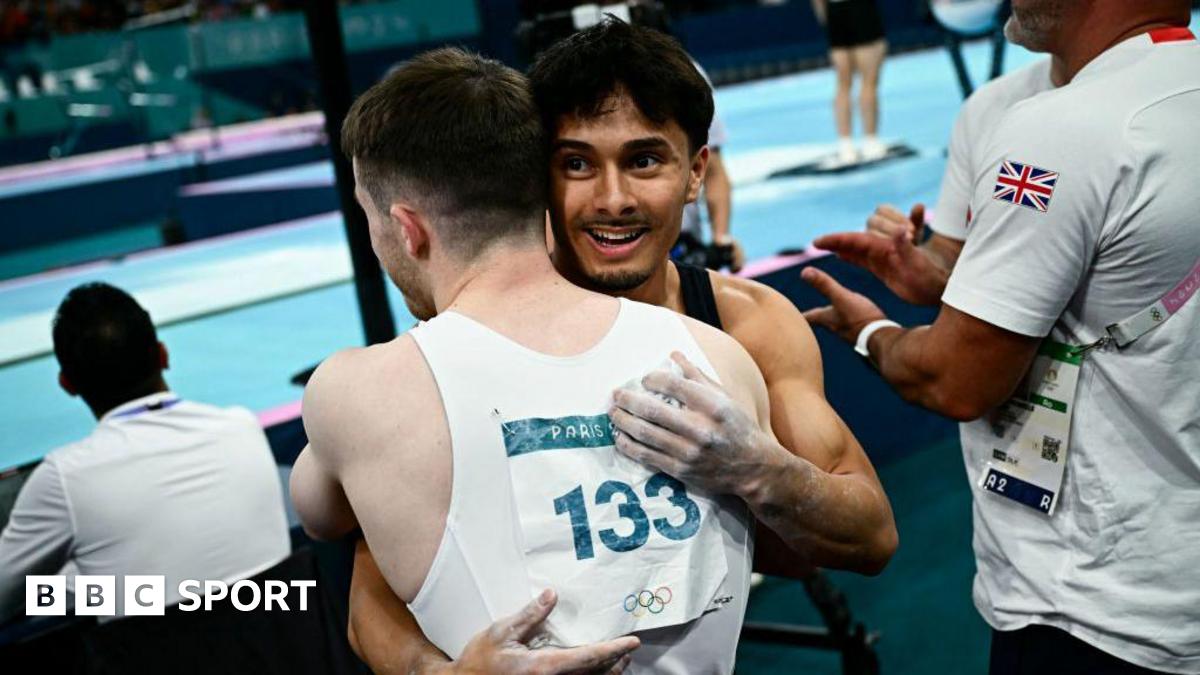
The Competitive Edge: How Rivalry Fuels Success in Elite Gymnastics – A Look at Hepworth & Jarman
Great Britain’s Harry Hepworth and Jake Jarman represent a fascinating dynamic in the world of elite gymnastics: a potent rivalry built on mutual respect and a shared drive for perfection. As they prepare to compete at the World Artistic Gymnastics championships in Jakarta, Indonesia, their story offers valuable insights into the psychological factors that separate good athletes from champions. This article delves into their relationship, the challenges of peak performance, and what you can learn from their approach.
The Power of Positive Competition
It’s often said that iron sharpens iron, and Hepworth and Jarman embody this principle.Hepworth, a 2024 Paris Olympics bronze medalist, and Jarman, the reigning vault world champion, consistently push each other to exceed their limits. “It’s a good rivalry,” Hepworth explained,emphasizing the constructive nature of their competition. “It’s not toxic in any way and I think that’s what has helped us get to where we are now.”
But what makes this rivalry work? It’s the understanding of the immense difficulty involved in mastering complex vaults. They recognize the dedication and precision required, fostering a sense of camaraderie even as they strive to outperform one another.
Navigating the Pressure of Peak Performance
Jarman is aiming to defend his world title, building on a stellar performance at the May European Championships where he achieved a near-perfect score of 15.2 on his first vault. however, he acknowledges a crucial lesson learned from that competition: managing excitement.
Specifically, the thrill of landing such a arduous vault impacted his second attempt. “That competition was a bit of a learning curve for me,” Jarman admitted. “It was the first time I had nailed a vault like that in an event final.” He found himself overwhelmed, leading to a less controlled landing.
Key Takeaways from jarman’s Experience:
* Acknowledge the emotional impact: high-pressure situations trigger physiological responses. Recognizing this is the first step to controlling them.
* Develop mental routines: Jarman now focuses on calming techniques to lower energy levels between performances.
* Embrace perfectionism in training: Consistent, meticulous practise builds confidence and reduces the likelihood of errors under pressure.
Understanding the Championship Format
This year’s World Championships differ from typical events. Following an Olympic year, ther is no team competition. Consequently, all focus is on individual medals. The qualification process is rigorous:
* The top 24 all-around gymnasts will advance to the finals.
* The best eight gymnasts on each apparatus will also qualify, with a limit of two competitors per country.
This format intensifies the individual pressure, demanding consistent performance across multiple events.
Frequently Asked Questions About Hepworth, Jarman, and Competitive Gymnastics
1. How does a “good rivalry” differ from a detrimental one in gymnastics? A healthy rivalry, like the one between Hepworth and Jarman, is characterized by mutual respect, shared understanding of the sport’s challenges, and a focus on self-improvement rather than solely on defeating the opponent.A detrimental rivalry, conversely, breeds negativity, anxiety, and can hinder performance.
2. What specific mental strategies can gymnasts use to manage excitement during competition? Techniques include deep breathing exercises, visualization, positive self-talk, and establishing pre-performance routines. Jarman’s experience highlights the importance of actively lowering arousal levels after a successful performance to maintain consistency.
3. Why is perfectionism beneficial in gymnastics training, even if unattainable in competition? Perfectionism, when channeled constructively, drives athletes to refine their technique, increase their strength and adaptability, and minimize errors. It’s about striving for continuous improvement, understanding that competition introduces unpredictable variables.
4. How does the absence of a team competition impact the dynamics at the World Championships? Without the team element, the focus shifts entirely to individual obligation and achievement. This can increase pressure but also allows gymnasts to concentrate solely on their own performance and goals.
5. What role does coaching play in fostering a positive competitive environment between teammates? Effective coaches emphasize
Keep reading