the Hidden Poison of the Past: Lead Exposure in ancient Hominins
For millennia, we’ve associated lead poisoning with modern industrial pollution – leaded gasoline, paint, and plumbing. But a growing body of evidence reveals a startling truth: our ancient ancestors faced lead exposure long before the advent of civilization. Recent studies are uncovering surprisingly high levels of lead in the remains of hominins dating back nearly two million years, raising questions about its impact on their development, health, and even social structures.
but how were these early humans exposed too a toxic element without industry? And what does this discovery tell us about the challenges faced by our evolutionary predecessors?
A History Writen in Bones and Stone
The notion of prehistoric lead exposure isn’t new.A 2018 study detailed lead contamination in two Neanderthals who lived in France around 250,000 years ago,marking the oldest known cases at the time. These findings were incorporated into a more recent, comprehensive inquiry led by Joannes-Boyau and colleagues.
This latest research expands the timeline substantially. It demonstrates that lead exposure wasn’t a localized event, but a potentially widespread phenomenon impacting various hominin species across different geographical locations and time periods.
Natural Sources of a toxic Metal
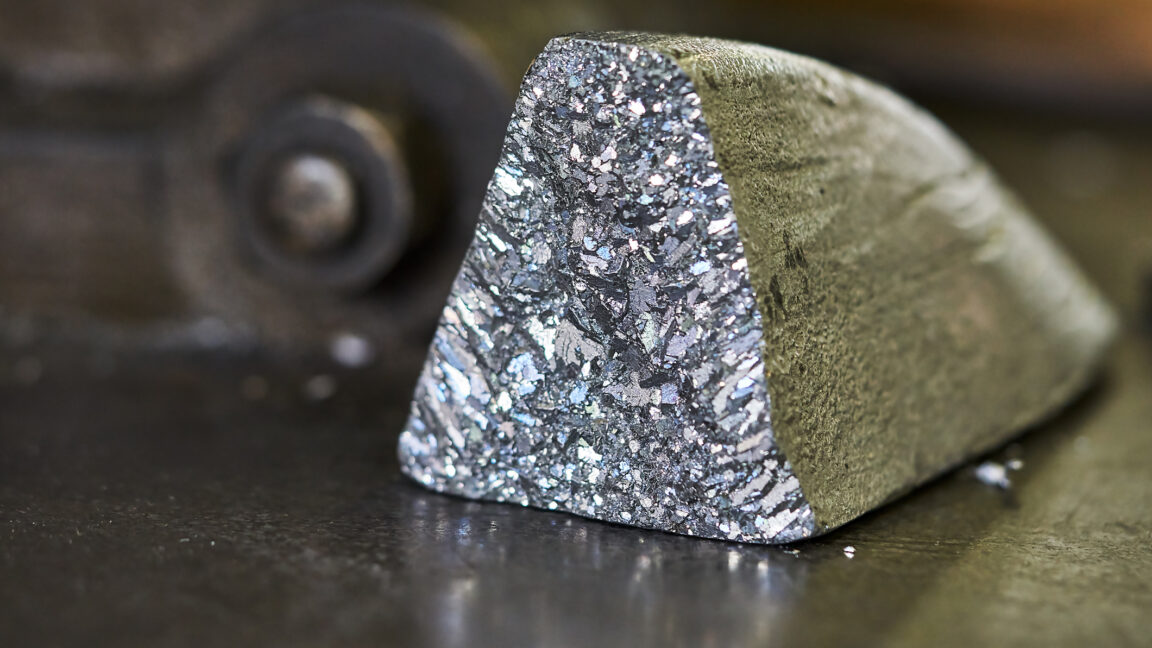
The key lies in understanding that lead isn’t solely a byproduct of human activity. It’s a naturally occurring element found in bedrock and soil.Certain geological formations are naturally richer in lead compounds, like galena (lead sulfide).
Here’s how ancient hominins coudl have encountered this hidden danger:
* Geological Hotspots: Caves and regions with lead-rich minerals acted as concentrated sources of exposure. A 2015 study revealed that Spanish caves inhabited by Neanderthals contained heavy metals, including lead, exceeding modern “contaminated soil” standards.
* Wildfires & Volcanic Activity: These events release lead particles into the atmosphere, spreading contamination over vast areas.
* Erosion & Flooding: Natural processes can unearth buried lead-rich rock and sediment, contaminating water sources. Imagine an Australopithecus drinking from a stream downstream of a lead-rich mica deposit – a potentially deadly scenario.
* Pica & Exploration: Young hominins, like young children today, were prone to exploring their habitat with their mouths. Ingesting cave dirt,rocks,and other materials could have directly introduced lead into their systems.
The Queque Cave Findings: A Stark Example
The Queque cave system in china provided particularly compelling evidence. Fossils unearthed there, including those of Gigantopithecus blacki – an extinct gorilla-like ape dating back 1.8 million years – exhibited lead levels exceeding 50 parts per million. Researchers describe this as a “considerable level” capable of causing developmental, health, and potentially social impairments.
This raises a crucial question: could lead exposure have influenced the trajectory of hominin evolution?
The Potential Consequences of Prehistoric Lead Poisoning
While pinpointing the exact effects of prehistoric lead exposure is challenging, we can draw parallels from modern understanding of lead toxicity. Potential consequences could include:
* Developmental Delays: Lead interferes with brain development, potentially impacting cognitive function and motor skills.
* Health Problems: Lead exposure can damage the nervous system, kidneys, and other vital organs.
* Social Impairments: Neurological effects could have altered behavior and social interactions within hominin groups.
* Reduced Fertility: Lead is known to negatively impact reproductive health.
evergreen Insights: Lead and the Human Story
the discovery of widespread prehistoric lead exposure underscores a basic truth: environmental challenges have always shaped the human story. Our ancestors weren’t simply battling predators and the elements; they were also contending with naturally occurring toxins. This highlights the resilience of the hominin lineage and the complex interplay between environment and evolution. Understanding these past challenges can offer valuable insights into our current environmental concerns and the long-term health of our species.
Frequently Asked Questions About Lead Exposure in Ancient hominins
Q: What is the primary keyword for this article?
A: The primary keyword is “lead exposure in ancient hominins.”
Q: How did ancient hominins get exposed to lead without modern industry?
A: They were exposed through natural sources like lead-rich minerals in caves, wildfires, volcanic eruptions, erosion, and by ingesting contaminated soil or water.
Q: What species of hominin have been found to have evidence of lead exposure?
A: Neanderth
Keep reading