Protecting America’s Harvest: The Rising Cost of Invasive Weeds and the Importance of Biosecurity
The health of the U.S. agricultural economy is constantly under threat from invasive species, notably weeds. Recent interceptions at the border highlight the critical need for robust biosecurity measures. Understanding the economic impact of these unwelcome plants and the proactive steps being taken to safeguard our food supply is vital for everyone.
The Significant Financial Burden of Weeds
Weeds aren’t just a nuisance to farmers; they represent a substantial drain on the American economy. Consider these figures:
* Reduction in crop yields: Weeds cause an estimated $33 billion in annual losses due to reduced crop yields – a 12% overall reduction.
* Introduced weed species: Approximately $24 billion in losses are directly linked to introduced weed species, representing 73% of the total weed-related economic damage.
* Herbicide costs: Farmers spend around $4 billion each year on herbicides to combat weed infestations.
* Total economic impact: Introduced pests and weeds collectively cost the U.S. agricultural economy approximately $27 billion annually.
These numbers demonstrate the far-reaching consequences of unchecked weed proliferation.You can see how considerably these issues impact food prices and the livelihoods of those involved in agriculture.
A Proactive Approach to Biosecurity
Fortunately, dedicated efforts are underway to prevent costly agricultural crises. Recent successes demonstrate the power of strong border surveillance and inter-agency collaboration.
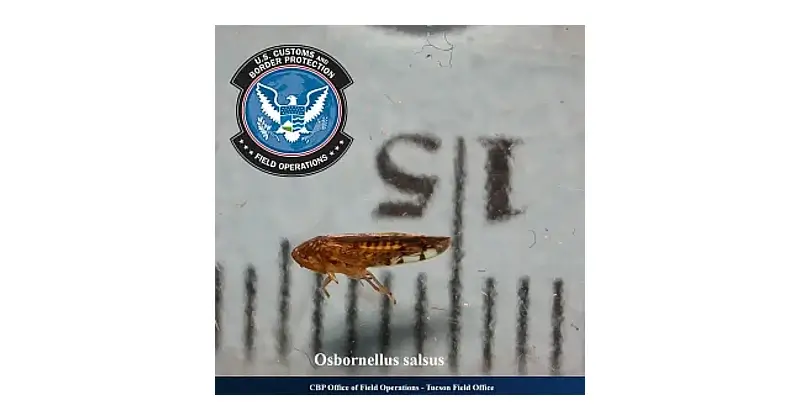
A recent interception at the San Luis Port of Entry serves as a prime example. This first-in-nation event prevented a potentially devastating agricultural issue from taking hold. Rapid response and coordinated action where key to averting a larger problem.
This situation underscores a crucial point: vigilance, coordination, and scientific expertise are the cornerstones of protecting America’s farms, consumers, and ecosystems. As global trade continues to expand, this teamwork becomes even more essential.Every shipment crossing the border must be carefully scrutinized to ensure it strengthens, rather than threatens, our nation’s agricultural future.
Looking Ahead: Securing Our Food Supply
Protecting our food supply requires a continuous commitment to biosecurity. Its about more than just preventing the introduction of new pests and weeds. It’s about investing in research, developing innovative control strategies, and fostering collaboration between government agencies, farmers, and researchers.
You can rest assured that ongoing efforts are focused on strengthening our defenses and ensuring a sustainable and secure agricultural future for generations to come. A proactive approach, combined with a dedication to scientific advancement, will be essential to safeguarding the american harvest.
Related reading