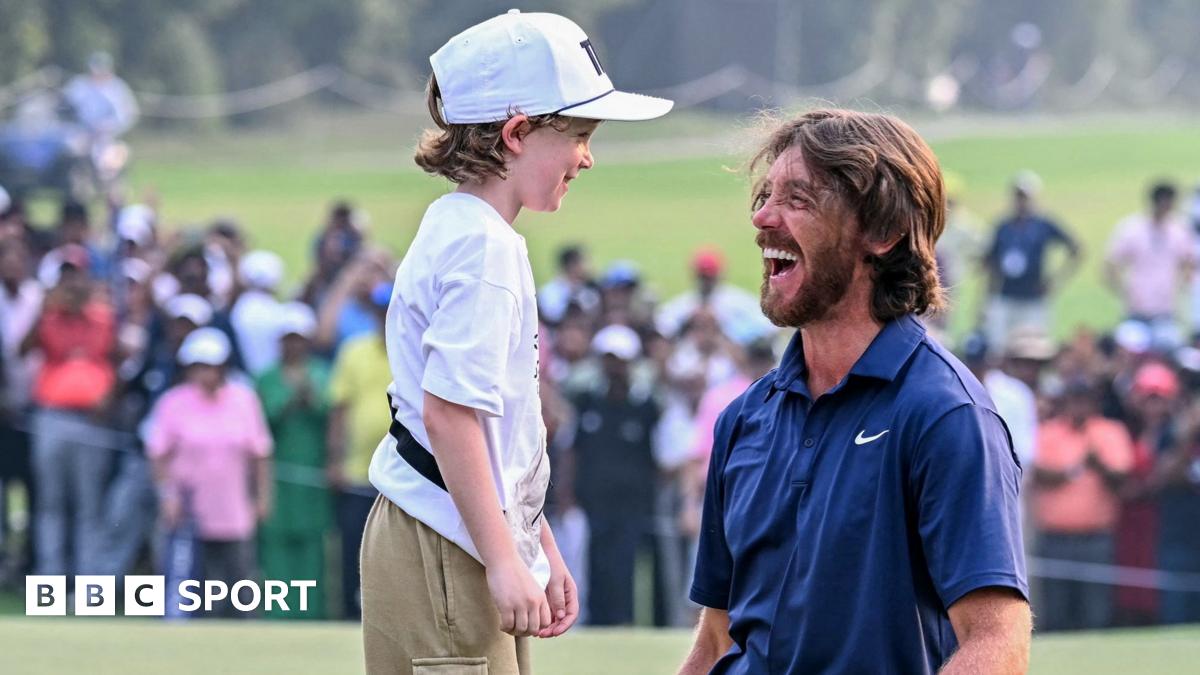
Fleetwood Secures Victory at the Japan Championship: A Round-by-Round Recap & what It Means for His Season
Tommy Fleetwood clinched a notable win at the Japan Championship, overcoming a competitive field and solidifying his position as a force to be reckoned with in professional golf. This victory isn’t just another trophy; it carries weight for season-ending tournament qualification and builds on a remarkable year for the Englishman.But how did he do it, and what does this win signify for his future? Let’s break down the action and explore the key takeaways.
The Final Round: A Tale of Shifting Leads
Fleetwood began the final round trailing Japan’s Keita Nakajima by two strokes. The pressure was on, and the leaderboard saw a surprising shake-up early on. New Zealand’s Daniel Hillier,ranked 218th globally,surged into the lead,reaching seven under par for the round.
However,Hillier’s momentum was short-lived. A costly double bogey on the 14th hole derailed his challenge, opening the door for Fleetwood and Nakajima. Nakajima, despite a stellar third-round performance, couldn’t replicate that magic, ultimately finishing as runner-up – his third second-place finish on the DP World Tour.
Fleetwood’s Decisive Run
The turning point came for Fleetwood around the turn. After a frustrating third round where his putting faltered, he ignited a streak of four consecutive birdies from the seventh to the tenth holes.This momentum continued with crucial birdie putts on the 14th and 17th.
These clutch shots gave fleetwood a comfortable two-shot advantage heading into the 18th, which he confidently secured, sealing the victory. It was a display of resilience and a testament to his ability to perform under pressure.
Beyond the Win: Season Implications & Ryder Cup Form
This win is particularly crucial for Fleetwood as it guarantees his qualification for the season-ending tournaments. It also continues a strong run of form, highlighted by his pivotal role in Europe’s triumphant Ryder Cup victory over the United States in New York.
“There’s been plenty of times when things haven’t gone my way,” Fleetwood reflected, “but the last two tournaments I have been in contention in I have won, so maybe things are starting to even out a little bit.” This sentiment underscores a growing confidence and a potential turning point in his career.He’s also amassed an extraordinary eight top-10 finishes on the PGA Tour this season.
Other Notable Performances
The tournament showcased several other impressive performances. Alex Fitzpatrick, another Englishman, finished strongly with a third consecutive round of 67, securing a tie for third place at 18 under par. He shared that position with Ireland’s Shane Lowry.
Viktor hovland concluded his week with a flourish, chipping in for an eagle on the last hole to finish at 17 under and a share of fourth. Rory McIlroy, while not in contention for the win, finished respectably in a tie for 25th at 11 under.
Fleetwood’s winning Strategy: Key Takeaways for Yoru game
What can you learn from Fleetwood’s victory? Here are a few key insights:
* Resilience is Key: Fleetwood overcame a shaky putting performance in the third round to deliver a dominant final round.
* Momentum Matters: His run of birdies around the turn completely shifted the momentum in his favor.
* clutch Putting: Making crucial birdie putts when it matters moast separates good players from champions.
* Confidence Builds: A strong performance, like Fleetwood’s, can considerably boost confidence and lead to further success.
Evergreen Insights: The Importance of Course Management & Mental Fortitude in Golf
Beyond the specifics of this tournament, successful golf hinges on two core principles: effective course management and unwavering mental fortitude.
Course Management: Understanding your strengths and weaknesses,assessing risk versus reward,and strategically navigating each hole are crucial. Don’t simply try to hit the hero shot; play smart and minimize mistakes.
Mental Fortitude: Golf is a game of setbacks. The ability to stay positive, manage pressure, and bounce back from adversity is paramount. Developing a pre-shot routine and focusing on the process, rather than the outcome, can significantly improve