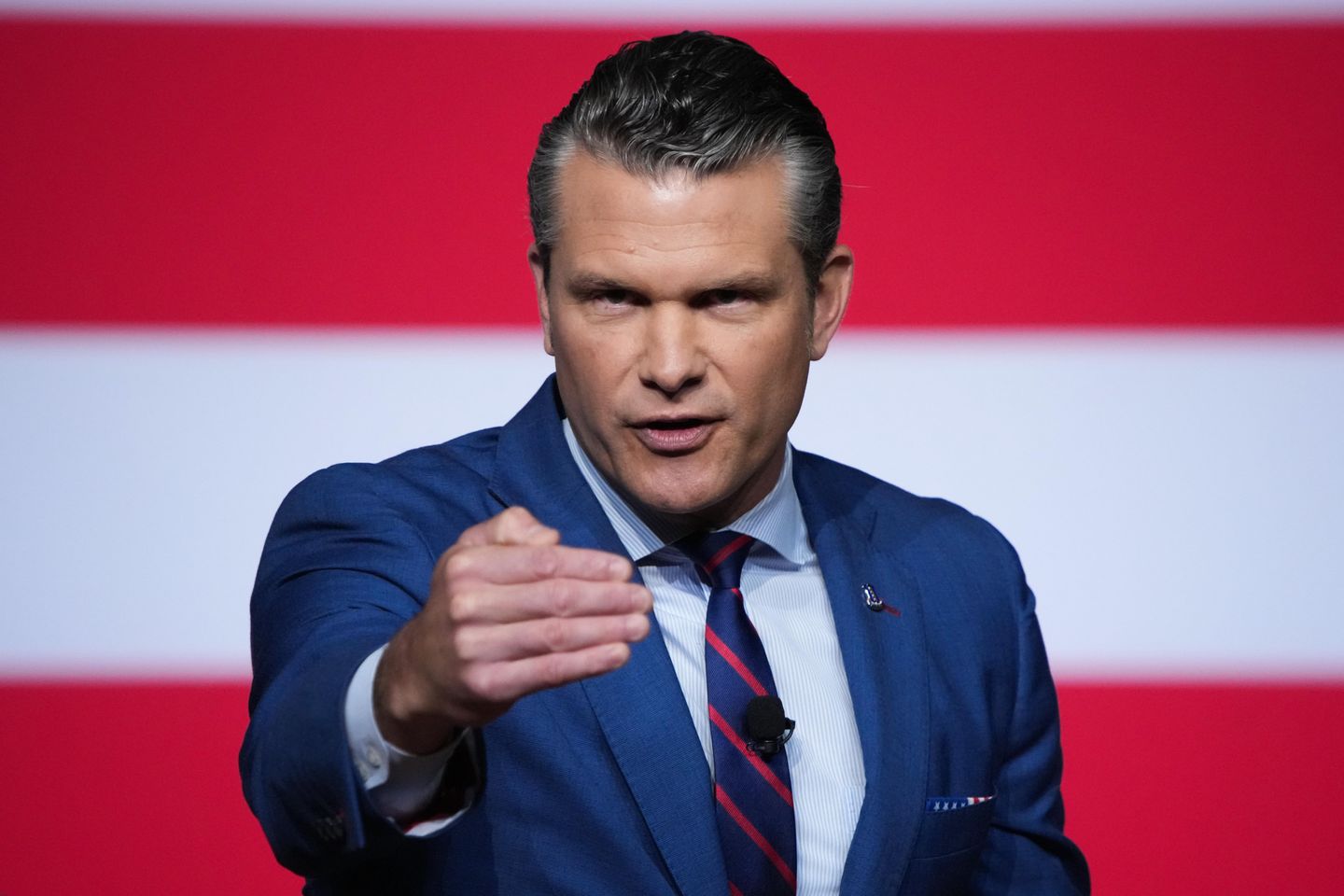
Eroding Confidence: Assessing Leadership Challenges at the Department of Defense
Recent shifts within the Department of Defense (DoD) have sparked considerable discussion regarding leadership and its impact on military readiness. Concerns are mounting among seasoned military leaders and defense officials regarding the conduct of Defense Secretary Pete Hegseth and the resulting departures of experienced personnel from the Pentagon. This situation, unfolding throughout 2025, presents a potential challenge to national security, demanding a thorough examination of the factors at play and their potential consequences. The core issue revolves around a perceived disconnect between the secretary’s public persona and the expectations of professional military service, possibly leading to a leadership crisis within the DoD.
Public Perception vs. Professional Norms
Multiple high-ranking military commanders and current/former DoD personnel have expressed reservations about Secretary Hegseth’s approach,characterizing his public appearances as excessive “grandstanding.” This behavior, they argue, deviates from the traditionally reserved demeanor expected of individuals in such a critical position.The concern isn’t necessarily with public engagement itself, but with the manner of that engagement. A recent study by the Center for Strategic and International Studies (CSIS), published in September 2025, highlighted a growing trend of civilian leadership prioritizing media visibility over substantive policy work, a dynamic that can undermine trust within the ranks.
This perceived emphasis on public image is particularly noteworthy given Secretary Hegseth’s background as a cable television host.While media experience isn’t inherently disqualifying, the transition to a role demanding discretion and strategic thinking requires a demonstrable shift in priorities. The challenge lies in balancing the need for transparency with the necessity of maintaining operational security and fostering a culture of trust within the military.
The Exodus of Talent: A Growing Concern
Perhaps the most alarming aspect of the current situation is the unprecedented rate at which experienced professionals are leaving the Pentagon. These departures aren’t limited to a single department or level of seniority; they span multiple directorates and include both military officers and civilian experts. According to data released by the DoD in October 2025, voluntary resignation rates among senior executive service (SES) personnel have increased by 35% in the last six months, a figure that far exceeds historical averages.
“The recent increase in SES departures is a significant concern. While voluntary turnover is normal, the current rate suggests a systemic issue impacting morale and retention.”
Several factors are believed to be contributing to this exodus. Some individuals have cited a lack of confidence in the Secretary’s leadership, while others have expressed frustration with what they perceive as a politicization of the decision-making process. The removal or reassignment of several highly respected officials, coupled with the appointment of individuals with limited defense experience, has further fueled these concerns. this brain drain represents a substantial loss of institutional knowledge and expertise, potentially hindering the DoD’s ability to effectively address emerging threats.
Impact on Military Readiness and National Security
The combined effect of eroding trust and the loss of experienced personnel poses a significant risk to military readiness and national security. A demoralized workforce is less likely to perform at its peak, and a lack of institutional knowledge can lead to costly mistakes. Furthermore, the perception of instability at the Pentagon could embolden adversaries and undermine alliances.
Consider the scenario of a rapidly escalating crisis in the South China Sea. Effective response requires seamless coordination between various DoD components,informed decision-making based on accurate intelligence,and a clear understanding of the geopolitical landscape. If key personnel have recently departed or are preoccupied with internal conflicts, the ability to respond effectively could be severely compromised.
The situation also raises questions about the long-term health of civil-military relations. A healthy relationship is characterized by mutual respect, open communication, and a shared commitment to national security. When civilian leaders are perceived as being out of touch with the realities of military service,or when military leaders feel their expertise is being disregarded,that relationship can become strained,with potentially damaging consequences.
Worth a look