The Accidental Genesis of a Classic: How “Spirit in the Sky” Took Flight
Norman Greenbaum’s “Spirit in the sky” remains a cornerstone of rock and roll, a song instantly recognizable and endlessly captivating. But its journey from a Troubadour hootenanny to global hit was anything but conventional. It’s a story of serendipity, sonic experimentation, and a little bit of luck.
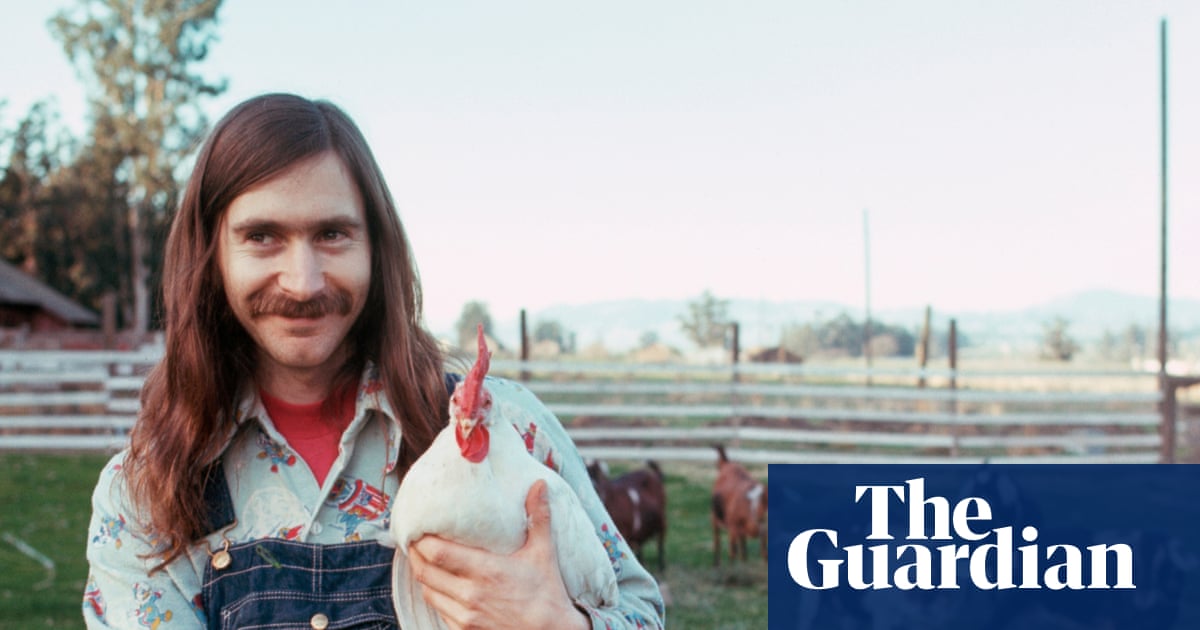
I first encountered Norman performing a single song, “School for Sweet Talk,” at a small club. He immediately revealed a creative wellspring, mentioning a vast catalog of unrecorded material. This included a quirky hit with his previous band, Dr.West’s Medicine Show and Junk Band – “The Eggplant That Ate Chicago” – and a collection of wonderfully eccentric songs about everything from goats and chickens to a rather unusual experience involving acid and a Chinese gentleman.
Recognizing his potential, I proposed a simple idea: let’s create some records people will genuinely enjoy.This sparked a collaborative process that would ultimately yield a timeless classic.
Assembling the Sound: A Unique Blend of Influences
The foundation of “Spirit in the Sky” began with a familiar riff. It was directly inspired by john lee Hooker’s “Boogie Chillen’,” but the initial rythm track felt…loose. To tighten things up, we brought in Norman Mayell, the incredibly talented drummer from the San Francisco psychedelic band Sopwith Camel.
Doug Killmer, a bassist with deep roots in Black music, completed the core rhythm section. We recorded two acoustic guitar performances from Norman, each with subtle differences, and blended them into a stereo track. This created a richer, more dynamic sound.
However, the song truly came alive with the addition of the Stovall Singers. Their gospel-infused vocals and authentic church-style clapping provided a crucial rhythmic and emotional anchor. A blistering guitar solo from Russell DaShiell added another layer of intensity.
Despite all these elements, Norman’s initial vocal performance didn’t quite capture the song’s power. So, we recorded two more vocal takes and meticulously combined the best parts of each. The result? A vocal performance that finally felt monumental.
A Slow Burn to Global Recognition
Initial radio play on KRLA, a hugely influential los Angeles station, generated excitement. Regrettably, the single’s release timing – just before Christmas – proved problematic. People tend to buy gifts for others during the holidays, not necessarily treat themselves to new music. Consequently, sales were initially sluggish, and KRLA eventually stopped playing the song.
Then, something remarkable happened. just two weeks into January, a staggering 22,000 orders flooded in from record stores across Los Angeles. KRLA resumed airplay, and “Spirit in the Sky” exploded in popularity. It simply took off.
The Secret to the Sound: Happy Accidents and raw Energy
Interestingly, the recording session itself was far from pristine. Our engineer was ill, forcing us to proceed with minimal equipment: a handful of microphones, no headphones, and absolutely no sound baffling.
Every instrument bled into every microphone, creating a chaotic sonic landscape. Yet, somehow, it worked. For years, people have asked how we achieved that unique sound. My answer is always the same: I pointed the amplifiers directly at the drums, and honestly, I had no idea what I was doing.
It was a testament to the raw energy of the musicians and the magic that can happen when you embrace imperfection. “Spirit in the Sky” wasn’t meticulously crafted; it was discovered.
Norman Greenbaum’s 1969 debut album, featuring “Spirit in the Sky,” is readily available on vinyl. Furthermore, a captivating Dolby Atmos mix of the single can be experienced on apple Music.