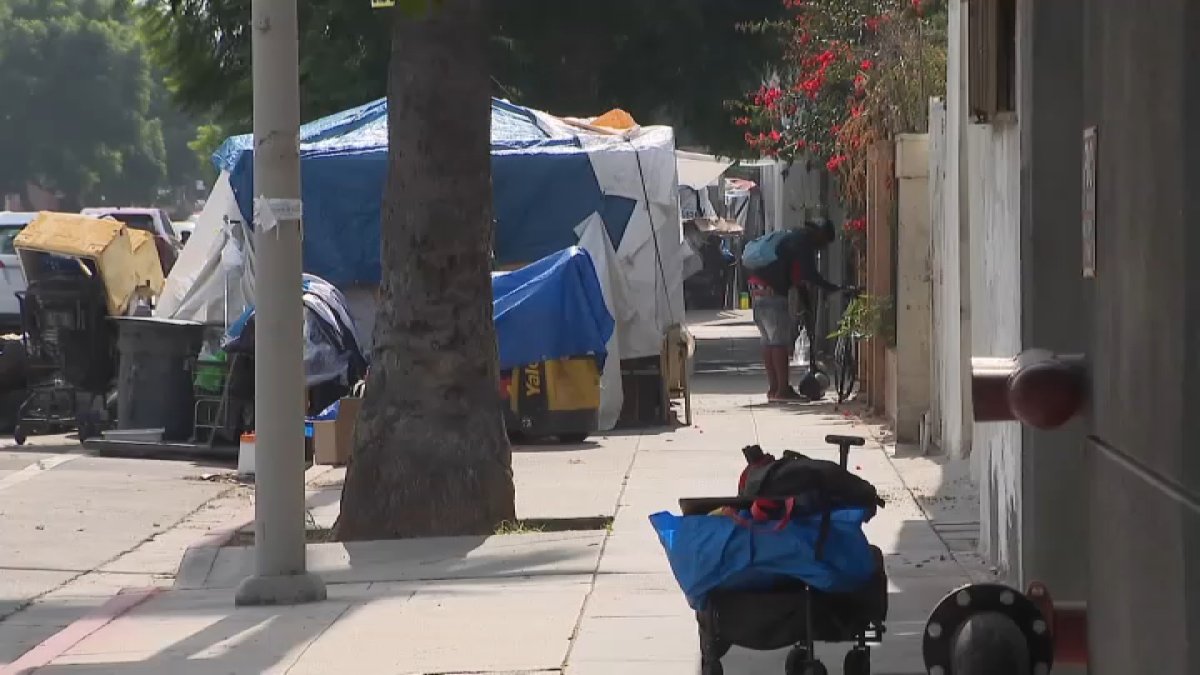
The Persistent Challenge of Homeless Encampments in South Los Angeles: A Community in Crisis
The issue of homelessness in Los Angeles is a complex and deeply rooted crisis, and it’s visible manifestation in the form of encampments is causing increasing distress for residents. Specifically, a long-standing encampment in South Los Angeles, near Avalon Boulevard and 65th Street, is sparking renewed concern and demands for effective solutions. This article delves into the situation, examining the impact on the Florence neighborhood, the city’s response, and the challenges of providing lasting support to individuals experiencing homelessness. We’ll explore the complexities beyond simply “clearing” encampments, focusing on the need for thorough care and sustainable housing options.
Understanding the Impact on the Florence Community
Residents of Florence, a neighborhood within South Los Angeles, describe a growing sense of frustration and insecurity stemming from the nearby encampment. The primary concerns center around safety and accessibility. Armando Ponze, a local resident, notes that unhoused individuals are occupying available space throughout the block, leading to obstructed sidewalks and, consequently, risky pedestrian conditions. The situation is exacerbated by tents extending into the street, creating hazards for both walkers and drivers.
Beyond physical safety, residents report incidents of trash fires originating within the encampment and, disturbingly, instances of threats directed towards community members. One resident, wishing to remain anonymous, voiced fears for their personal safety, highlighting the emotional toll the situation is taking on the neighborhood. These accounts paint a picture of a community feeling increasingly vulnerable and underserved.
Did You Know? los angeles County has the largest homeless population in the United States, with over 75,000 individuals experiencing homelessness in 2023 (Los Angeles Homeless Services Authority, 2023). this represents a 10% increase from the previous year.
City Response and the Limitations of “CARE” Cleanups
Councilmember Curren Price’s office acknowledges the persistent nature of the problem, stating the Avalon Corridor encampment has been a “long-standing concern” for District 9. Since January, the office reports coordinating over 20 “CARE” and “CARE+” cleanups along Avalon Boulevard between Gage and Florence. These cleanups, while intended to improve sanitation and safety, are often viewed as temporary fixes.
The “CARE” (Community action and Resource Engagement) program focuses on outreach, assessment, and connecting individuals with services. “CARE+” builds upon this by adding enhanced cleaning and sanitation efforts. However, critics argue that these initiatives often displace individuals without providing adequate long-term housing or support.
In May, a collaborative “Inside Safe” operation with Mayor Karen Bass successfully moved 32 individuals experiencing homelessness into interim housing. This initiative represents a positive step, but its crucial to recognize that not everyone is ready or willing to accept services. The challenge lies in building trust and providing tailored support to meet the diverse needs of the unhoused population.
Pro Tip: If you encounter someone experiencing homelessness and want to help, consider donating to reputable organizations providing services like shelter, food, and job training. Avoid directly giving money, as it may not always be used for intended purposes.
Beyond Cleanups: Addressing the Root Causes of Homelessness
While cleanups and temporary housing are necessary components of the response, a truly effective solution requires addressing the underlying causes of chronic homelessness. These include:
* Affordable Housing Shortage: Los Angeles faces a severe shortage of affordable housing units, making it incredibly difficult for low-income individuals and families to secure stable housing.
* Mental Health and substance abuse: A significant percentage of the homeless population struggles with mental health issues and/or substance abuse, requiring specialized care and support.
* Economic Hardship: Job loss,medical debt,and other economic factors can contribute to homelessness,particularly for vulnerable populations.
* Systemic Issues: Racial disparities and historical inequities contribute to higher rates of homelessness among certain communities.
| Program | Focus | Effectiveness (Based on Recent Data) |
|---|---|---|
| CARE/CARE+ | Cleanup & Outreach | Short-term enhancement in sanitation; limited long-term impact without housing. |
|
Worth a look |