Powering the Future: Understanding the Northland Reliability Transmission Project and its impact
Are you wondering about the new transmission lines popping up across the Midwest? Or perhaps you’re curious how these projects will affect your energy costs and access to reliable power? The Northland Reliability Project, a massive undertaking spearheaded by Great River Energy and Minnesota Power, is a pivotal piece of the evolving energy landscape. This isn’t just about building power lines; it’s about securing a stable, resilient, and increasingly clean energy future for the region.
The Groundbreaking: What’s Happening and Why Now?
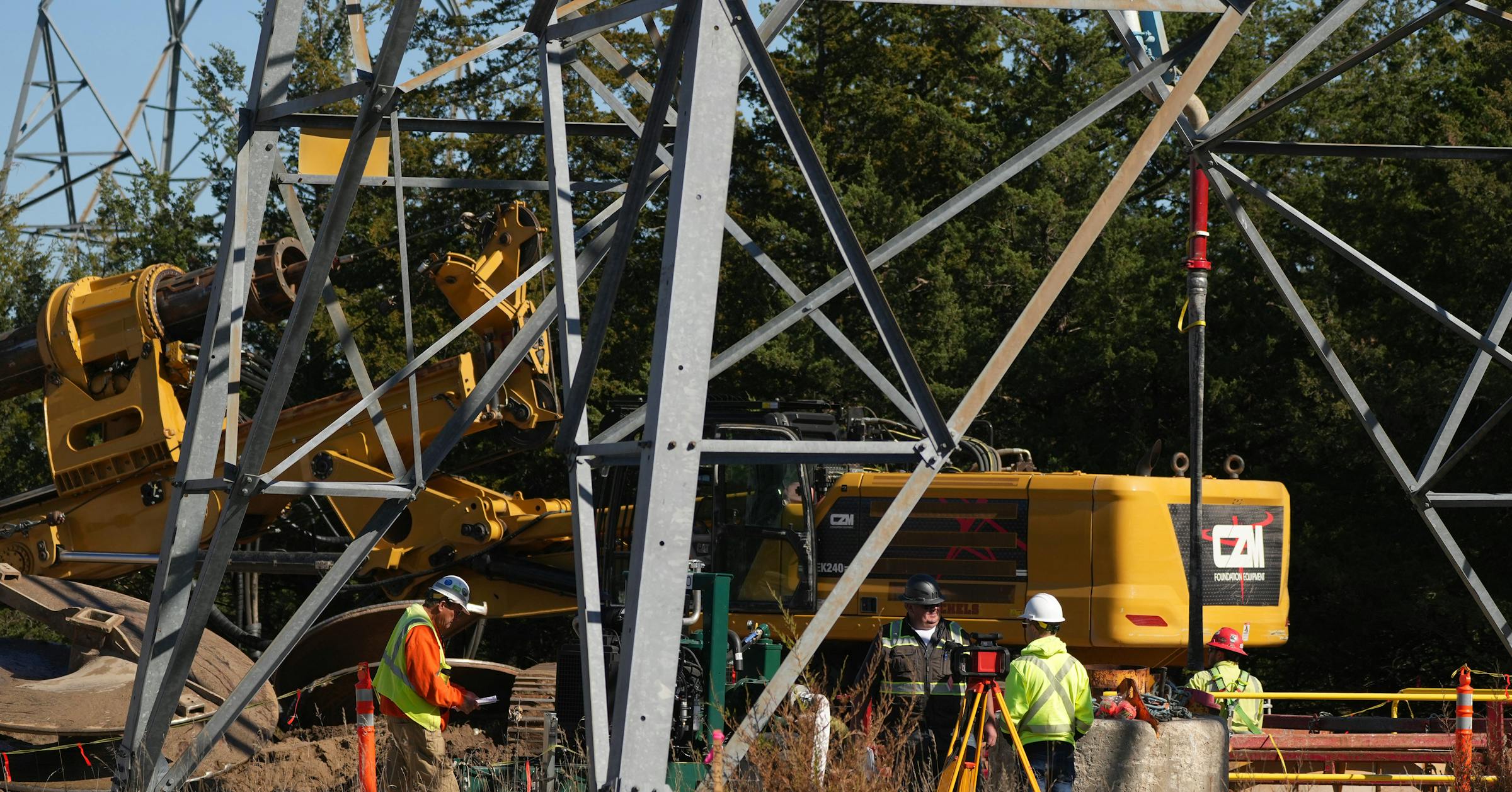
In October 2023, construction officially began on the first phase of the Northland Reliability transmission line in Becker, Minnesota. Crews poured the concrete foundation for the first utility pole – a seemingly small step,but one representing a $700 million investment approved by the Midcontinent Independent System Operator (MISO) in 2022. this 180+ mile transmission line will connect central Minnesota to a substation near Grand Rapids, acting as a crucial artery for electricity generated from diverse sources like wind, solar, and traditional power plants.
But why is this happening now? According to Priti Patel, who oversees transmission for Great River Energy, it’s fundamentally about “keeping the lights on and keeping the grid stable and safe,” especially during peak demand periods like frigid winter days.
The Modern Grid: An “Eisenhower Interstate System” for Electricity
The existing electrical grid, while functional, is aging and increasingly strained. The Northland Reliability Project, along with other similar initiatives, aims to modernize this infrastructure. Xcel Energy aptly described these projects as “effectively creating the Eisenhower Interstate System for electricity for the region” in a letter to federal regulators. Just as the interstate highway system revolutionized transportation, this upgraded grid will revolutionize how electricity is delivered.
This improved connectivity allows for greater sharing of electricity across a wider geographic area. If wind is abundant in one state but calm in another, the grid can draw power from where it’s available. This is particularly vital as renewable energy sources, which are inherently intermittent, become a larger part of the energy mix. A robust transmission system ensures a consistent power supply,even when the sun isn’t shining or the wind isn’t blowing.
The Controversy: States Push Back on Costs and Clean Energy Funding
The project isn’t without its critics. In July 2023,North Dakota,Montana,Mississippi,Louisiana,and Arkansas filed a complaint with the Federal energy Regulatory commission (FERC). Thier core argument? MISO’s calculations of the project’s benefits are inflated, leading to perhaps unreasonable costs for local utility customers.
Specifically, these states object to being financially responsible for upgrades that primarily benefit the transition to cleaner energy sources. This highlights a growing tension between states embracing renewable energy and those prioritizing traditional fossil fuels. The outcome of the FERC review will significantly impact the financial burden and future development of similar transmission projects across the country. Federal Energy Regulatory Commission (FERC)
What Does This Mean for You?
The Northland Reliability Project, and similar grid modernization efforts, have far-reaching implications:
* Increased Reliability: Fewer outages and a more stable power supply, especially during extreme weather events.
* Support for Renewable Energy: Facilitates the integration of wind, solar, and other renewable sources into the grid.
* Potential Cost Impacts: Depending on the outcome of the FERC review, utility customers could see changes in their energy bills.
* Economic Development: The construction phase creates jobs, and a reliable energy supply attracts businesses.
Evergreen Insights: The Future of Transmission Infrastructure
The Northland Reliability Project is just one piece of a much larger puzzle. The US needs to invest significantly in transmission infrastructure to meet growing energy demands and achieve aspiring climate goals. several key trends are shaping the future of this sector:
* HVDC Technology: High-Voltage Direct Current (HVDC) transmission lines are becoming increasingly popular for long-distance power delivery due to their efficiency and reduced losses.
* Smart Grids: Integrating advanced sensors,communication technologies,and data analytics to optimize grid performance and enhance reliability.
* Microgrids: Developing localized grids that can operate independently or in conjunction with the main grid, increasing resilience and reducing reliance on centralized power sources.
* Policy and Regulation: Streamlining permitting processes and establishing clear regulatory frameworks to accelerate the development of transmission infrastructure.[U.S.Department of Energy – Transmission](https://www.energy.gov/oe/activities/
Worth a look