Spain Grapples with Tourism’s Double Edge: From Chair Heists to Sheepish Protests
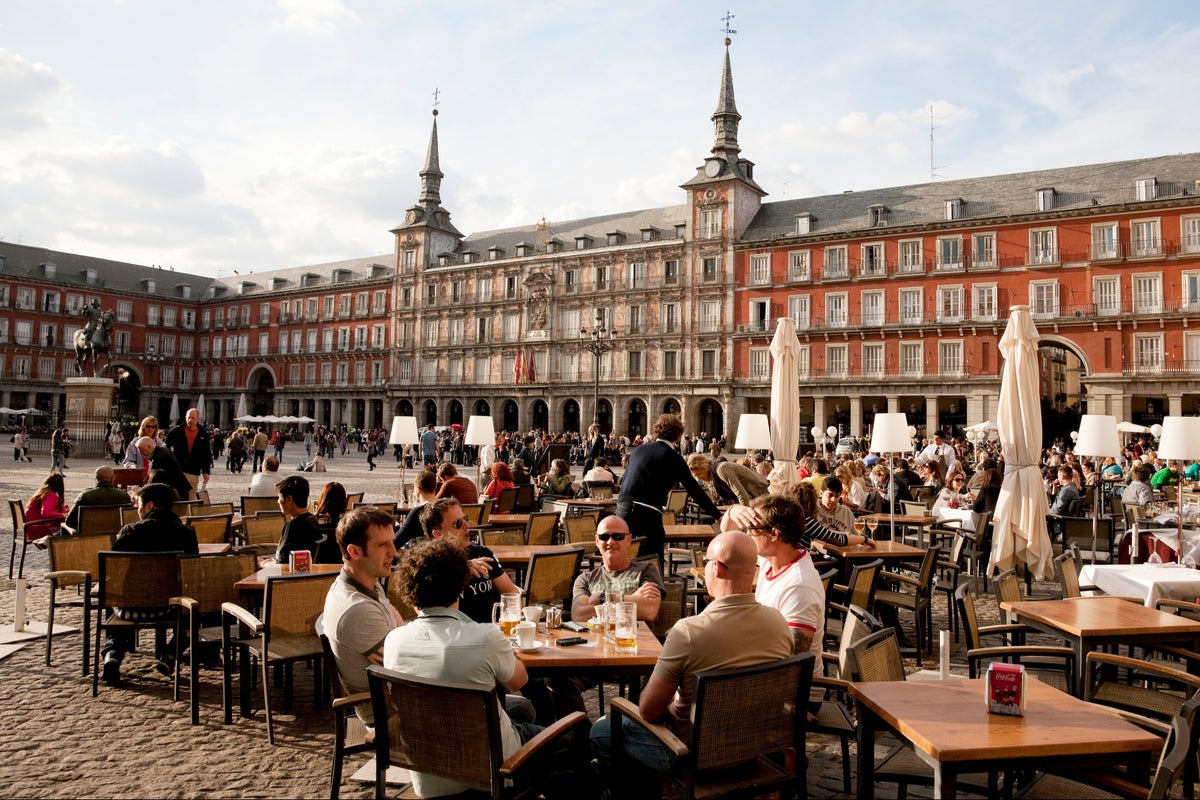
Spain is at a crossroads. Beloved by millions, the country welcomed a record 94 million international visitors last year, with projections aiming for 100 million this year. But this surge in tourism isn’t without its challenges. From unusual acts of protest to a growing awareness of environmental needs, Spain is actively navigating the complexities of a booming travel industry.
A Rising Tide of Frustration
You might be surprised to learn that a recent trend in Spanish cities involves the theft of… chairs.Yes, outdoor furniture – typically metal or hard plastic – is routinely targeted. Restaurants and bars often leave these chairs stacked and chained outdoors overnight, yet they continue to disappear.
This seemingly bizarre phenomenon is a symptom of a larger issue: growing discontent over mass tourism. Several protests have erupted in recent months, especially in cities like Madrid and Barcelona, fueled by concerns about the impact on local life.
* Housing Crisis: The influx of tourists drives up both home prices and rental costs.
* Short-Term Rentals: The proliferation of short-term rental apartments, like those offered through Airbnb, further restricts housing availability for residents.
* Strain on Infrastructure: Increased visitor numbers put a strain on local resources and infrastructure.
Economy Minister Carlos Cuerpo recently acknowledged that the goverment can no longer ignore these challenges. The economic benefits of tourism are undeniable, but the social costs are becoming increasingly apparent.
A Unique protest: The Transhumance Festival
Interestingly, recent demonstrations haven’t taken the form of traditional marches.rather, Madrid’s streets were recently filled with an unexpected sight: a flock of sheep and goats. This wasn’t a random occurrence, but part of the annual Transhumance Festival.
This centuries-old tradition recreates the pastoral practise of moving livestock to new grazing grounds. It’s a vibrant spectacle, complete with bells, bleats, and traditional music, drawing thousands of onlookers.
But the festival is more than just a colorful event. It serves as a powerful reminder of Spain’s rural heritage and the ecological benefits of traditional grazing practices.
* Wildfire Prevention: Livestock grazing helps clear brush and flammable undergrowth, reducing the risk and spread of wildfires.
* Environmental Stewardship: The practice promotes enduring land management.
* Rural Preservation: It highlights the importance of supporting rural communities.
The Urgent Need for Sustainable Solutions
This year’s festival took on added significance following a particularly devastating wildfire season. Spain experienced one of its most destructive wildfire seasons on record, reinforcing the need for proactive environmental measures.
Environmentalist Juan García Vicente, a three-decade veteran of the festival, emphasized the need for a multi-faceted approach to combatting climate change.He also warned against the “total abandonment of the rural world” in Spain.
The Transhumance Festival isn’t just about celebrating the past; it’s about informing the future. It’s a call for a more balanced approach to tourism – one that recognizes its economic benefits while mitigating its social and environmental costs.
As Spain continues to welcome visitors from around the globe, finding sustainable solutions will be crucial to preserving its cultural heritage, protecting its environment, and ensuring a thriving future for all its citizens.
Sources:
* Associated Press: https://apnews.com/article/spain-portugal-europe-wildfires-climate-change-7261b0805495f0a1b75ab55ee799076d
* Independent: https://www.independent.co.uk/travel/news-and-advice/spain-protests-jet2-barcelona-holidays-b2746997.html