## Conquering Uluwatu: A Guide to Bali’s Iconic Surf Break & Its Outer Reef Challenge
Bali. The name conjures images of lush landscapes, vibrant culture, and, for surfers, world-class waves. Among these, Uluwatu stands supreme – a legendary left-hand reef break attracting surfers of all levels, from wide-eyed beginners to seasoned professionals. But Uluwatu isn’t just *one* wave; it’s a spectrum, culminating in the formidable Outside Corner. This guide delves into the nuances of surfing Uluwatu, exploring its challenges, rewards, and what it takes to tackle both the main break and its powerful outer reef extension. We’ll cover everything from understanding the swell to preparing for the hold-downs,ensuring you’re equipped to experience this Indonesian surfing paradise safely and successfully.
Did you Know? Uluwatu’s consistent swell is thanks to its exposure to long-period Southern Ocean and Indian Ocean swells, making it a year-round destination, though the dry season (April-October) typically offers the best conditions.
## Understanding the Uluwatu Lineup: A Wave for Everyone (and a Battle for Space)
The main Uluwatu break is renowned for its long, peeling lefts, offering rides that can last for hundreds of meters. Though, its popularity is a double-edged sword. The lineup is notoriously crowded, demanding patience, wave selection skills, and a healthy dose of local etiquette. Expect to share waves with a diverse mix of surfers – from those finding their feet to Championship Tour competitors. this creates a dynamic, sometimes chaotic, surroundings.Understanding the peak, the sections, and the current is crucial for maximizing your time in the water.
Key Considerations for the Main Break:
- Swell Size: Uluwatu can handle a wide range of swells,but it truly shines in the 4-8ft range.
- Tide: Mid-tide is generally considered optimal,offering a good balance between wave shape and reef exposure.
- Crowds: Be prepared to wait your turn and prioritize safety.
- Localism: Respect the locals and adhere to established surfing etiquette.
Beyond the main peak lies Temple, a slightly more forgiving section, and The Racetrack, known for its faster, more critical waves. mastering these sections can help you navigate the crowded lineup and find more opportunities.
## The Beast Awakens: Surfing Outside Corner at Uluwatu
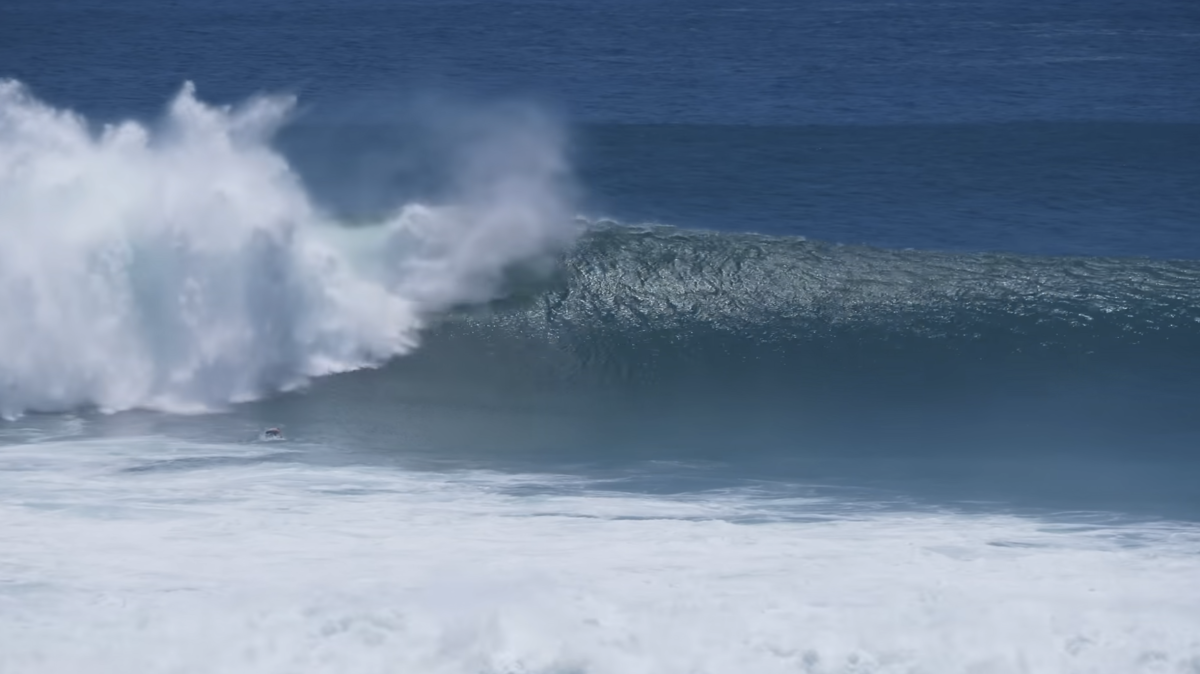
For experienced surfers seeking a serious challenge, Outside Corner at Uluwatu represents the ultimate test. located beyond the main break, this section breaks later, offering significantly larger and more powerful waves. It’s a different world out there – a realm of double-overhead swells,intense currents,and demanding hold-downs. This isn’t a wave to be taken lightly.
Gear & Planning for Outside Corner
Successfully tackling Outside Corner requires meticulous preparation. Here’s a breakdown:
- Board Choice: A gun or step-up board is essential. You need volume to paddle into the waves and length for stability.
- Fitness Level: Excellent physical conditioning is non-negotiable. You’ll need the stamina to paddle, surf, and endure perhaps lengthy hold-downs.
- Breath-Holding: Practicing breath-hold techniques can be life-saving. Consider taking a freediving course.
- Local Knowledge: Surf with someone who knows the break intimately.Understanding the currents and potential hazards is critical.
- Respect the Ocean: Conditions can change rapidly. Be aware of your limits and don’t hesitate to back off if you’re feeling overwhelmed.
Pro Tip: Before paddling out to Outside Corner, spend time observing the wave from the cliff. Analyze the sets,
Keep reading