The Declining Activity Levels of Teens: How School Climate Impacts Physical & Mental Wellbeing
For parents, educators, and public health officials, a concerning trend is gaining momentum: adolescent physical activity is declining, and the rate of that decline is accelerating. A new study from researchers at the university of Georgia, published in Frontiers in Public Health, sheds light on a critical, often overlooked factor contributing to this issue - the school surroundings. This isn’t just about sports participation; it’s about the basic connection between a positive school climate and the overall health and academic success of our students.
A Growing Concern: The Downward Spiral of Teen Activity
“Across the world, among students, and that declining trend is increasing,” explains Biplav Tiwari, lead author of the study and a doctoral student in epidemiology. This observation isn’t new, but the urgency is amplified by the potential long-term consequences.We’re facing a generation at risk of establishing sedentary habits early in life, with implications for their physical and mental health extending far into adulthood.
Beyond Academics: The Holistic Benefits of a Positive School Climate
The research underscores a vital point: a supportive school environment isn’t simply nice to have; it’s essential for fostering healthy development. “We’re learning that a positive school environment not only supports academic rigor but also helps promote healthy lifestyle decisions,such as being physically active,” Tiwari notes. This aligns with a growing body of evidence demonstrating the interconnectedness of physical, mental, and academic wellbeing.
Previous research has consistently shown that students thriving in positive school climates tend to exhibit better academic performance and experience improved mental health, both within the school walls and in their personal lives. This latest study adds a crucial layer to that understanding by directly linking school climate to physical activity levels.
The Georgia Student Health Survey: A Deep Dive into the Data
To investigate this connection, the researchers analyzed data from over 685,000 middle and high school students (ages 11-17) participating in the Georgia student Health Survey over a five-year period.They focused on eight key aspects of school climate:
* School connectedness: Feeling a sense of belonging at school.
* Peer Social Support: Having supportive relationships with classmates.
* Adult Social Support: Feeling supported by teachers and other school staff.
* Cultural Acceptance: Experiencing a welcoming and inclusive school environment.
* Physical Environment: The safety and upkeep of the school facilities.
* School Safety: Feeling secure from harm at school.
* Peer Victimization: Experiences with bullying or harassment.
* School Support Environment: Overall perception of support from the school community.
The findings were clear: students who reported feeling unsafe, unhappy, or uncared for at school were substantially less likely to engage in regular physical activity. Conversely, students who felt supported, connected, and safe were more likely to increase their activity levels as they aged, with one in five reporting at least four to five days of physical activity per week.
The Critical Role of Support & The Impact of Aging
“Students who are physically healthy are mentally healthy, and physical and mental health is associated with improved academic achievements,” emphasizes Janani Rajbhandari, senior author of the study and an associate professor in health policy and management. “To reach the academic potential that our students are all capable of,they need social support and adult support in school.”
The study also revealed a concerning trend: activity levels generally declined as students progressed from middle school to high school. This decline appears to be linked to minimal physical education requirements. Georgia state law mandates only one credit hour of physical exercise or wellness for high school students - a requirement that can even be fulfilled online. Without consistent encouragement and opportunities for physical activity, many students, notably those not involved in team sports, become disengaged.
A Gender Disparity: Why Girls Are Falling Behind
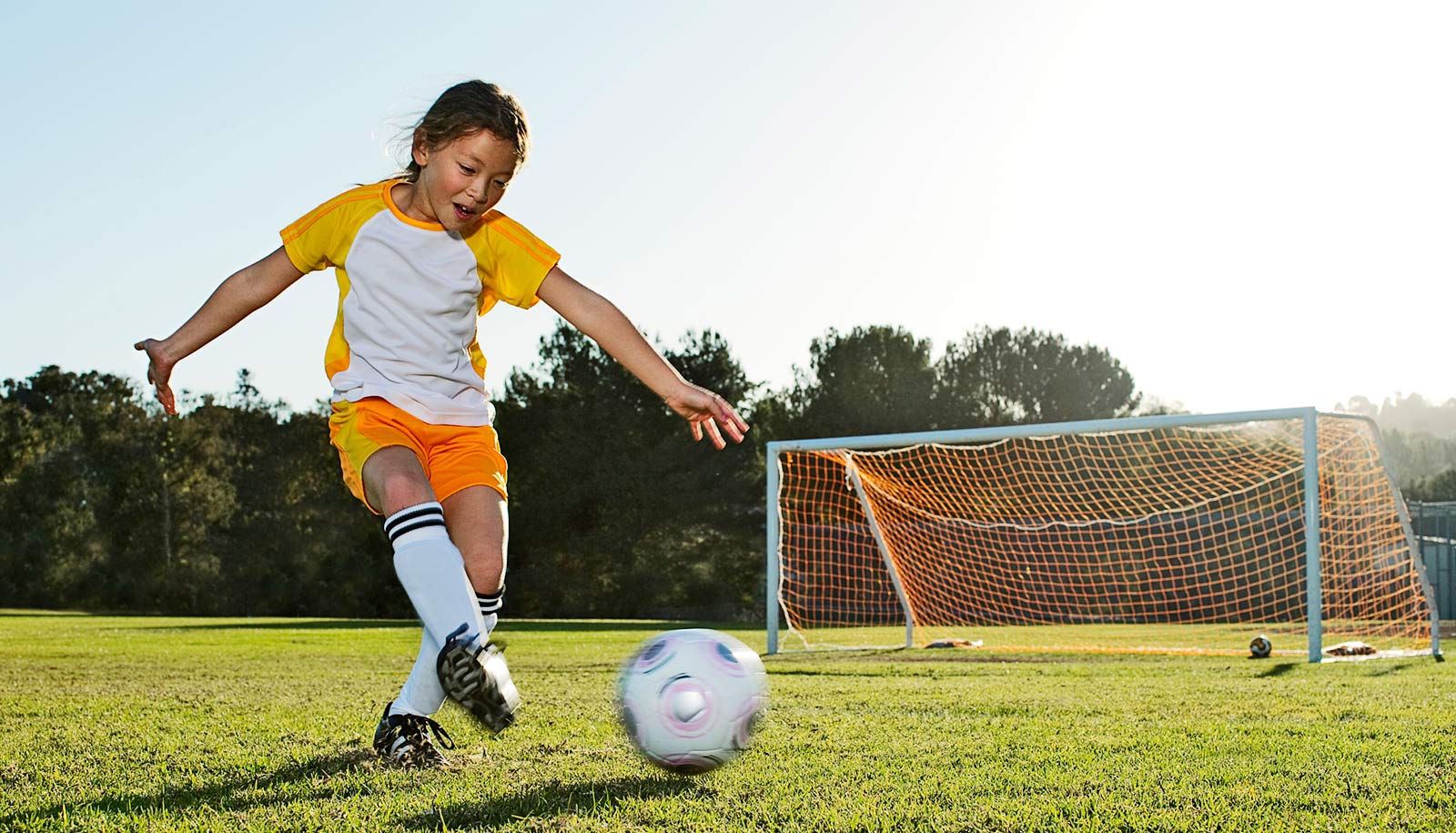
The research highlighted a notable gender gap. High school girls were 17% less likely than boys to report being physically active. this finding echoes previous research from the same authors, suggesting a complex interplay between school climate and gender-specific factors influencing physical activity. Understanding these nuances is crucial for developing targeted interventions.
Habits Formed in Adolescence: A Lifelong Impact
The implications of these findings extend far beyond the school years. “Adolescence is a very crucial phase for establishing habits to last a lifetime. Healthy behaviors or habits that are formed have a lifelong impact,” Rajbhandari
Keep reading