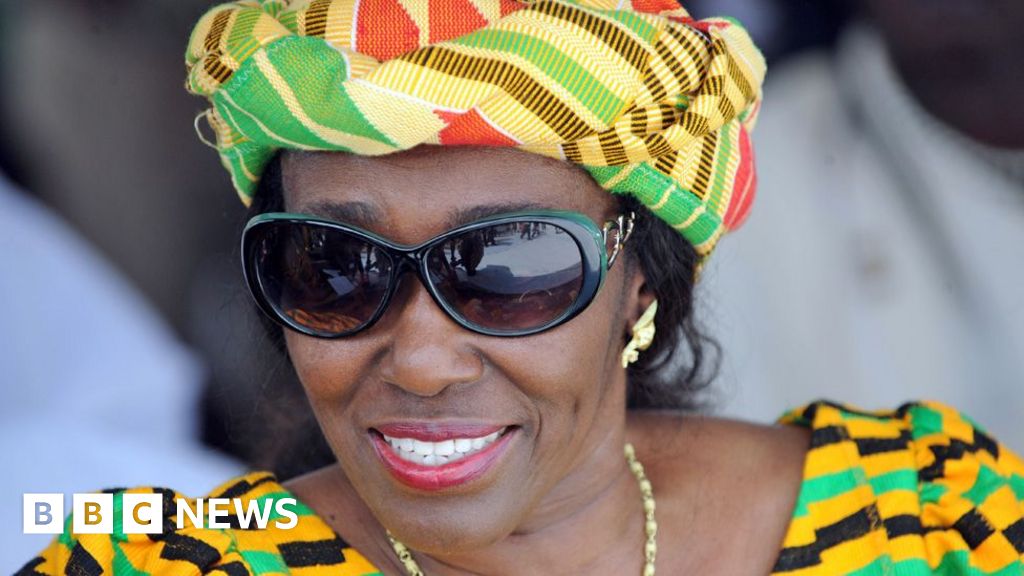
Nana Konadu Agyeman-Rawlings: A Legacy of women’s Empowerment and Ghanaian politics
Nana Konadu Agyeman-Rawlings, a pivotal figure in Ghanaian politics and a champion for women’s rights, has passed away at the age of 76. Her death marks the end of an era, following the loss of her husband, Jerry John Rawlings - Ghana’s longest-serving leader – in 2020. This article explores her life, influence, and lasting impact on Ghana.
From First lady to Political Force
Konadu agyeman-Rawlings wasn’t simply the wife of a powerful leader; she forged her own path. Born in november 1948 to a middle-class family in Cape Coast, she received an education in art and textiles – a path less traveled for women of her generation. She met Jerry Rawlings while attending Achimota School in Accra, and their partnership would profoundly shape Ghana’s history.
Her husband rose to prominence through two military coups before ultimately leading Ghana as an elected president. Throughout this period, Konadu served as a key advisor, offering a vital viewpoint during times of notable change.
empowering Women Through the 31st December Women’s Movement
Perhaps Konadu Agyeman-Rawlings’ most enduring legacy is the 31st December Women’s movement. Founded as her husband’s second coup anniversary approached in 1981, the movement aimed to empower women economically and socially.
Here’s how the movement made a difference:
* Economic Independence: It provided training and resources to help women start businesses and generate income.
* Community Development: The movement focused on improving conditions in underserved communities across Ghana.
* Political Awareness: It encouraged women to become more involved in the political process.
The movement, initially linked to the National Democratic Congress (NDC) founded by Jerry Rawlings, is widely credited with substantially improving the lives of women, particularly in rural areas.
A Voice for Change in National Policy
Konadu Agyeman-Rawlings didn’t limit her influence to the movement.She actively advocated for legal reforms that protected women’s rights. Her efforts directly contributed to:
* Inheritance Rights: A 1989 law guaranteeing inheritance rights for women and their children.
* Constitutional Provisions: Key provisions for gender equality enshrined in Ghana’s 1992 constitution, marking a return to multiparty democracy.
You can see her impact woven into the fabric of Ghanaian law and policy, a testament to her dedication.
A Presidential ambition and Continued influence
Despite her significant contributions, Konadu Agyeman-Rawlings also pursued her own political ambitions. In 2012, she ran for the NDC’s presidential candidacy but was unsuccessful. However, her commitment to public service remained unwavering.
Following her husband’s death, she continued to be a respected voice within the NDC and a symbol of progressive values. News of her passing prompted an outpouring of tributes on social media, highlighting her impact as a former first lady, politician, and women’s rights advocate.
National Mourning and a Lasting Legacy
Ghana’s parliament has adjourned to honor her memory, and the nation is preparing for a period of official mourning.Konadu Agyeman-Rawlings leaves behind a legacy of empowerment, advocacy, and political courage.
Her story serves as an inspiration, reminding us of the power of individuals to shape their nations and fight for a more just and equitable future.As Ghana mourns, her contributions will undoubtedly continue to resonate for generations to come.