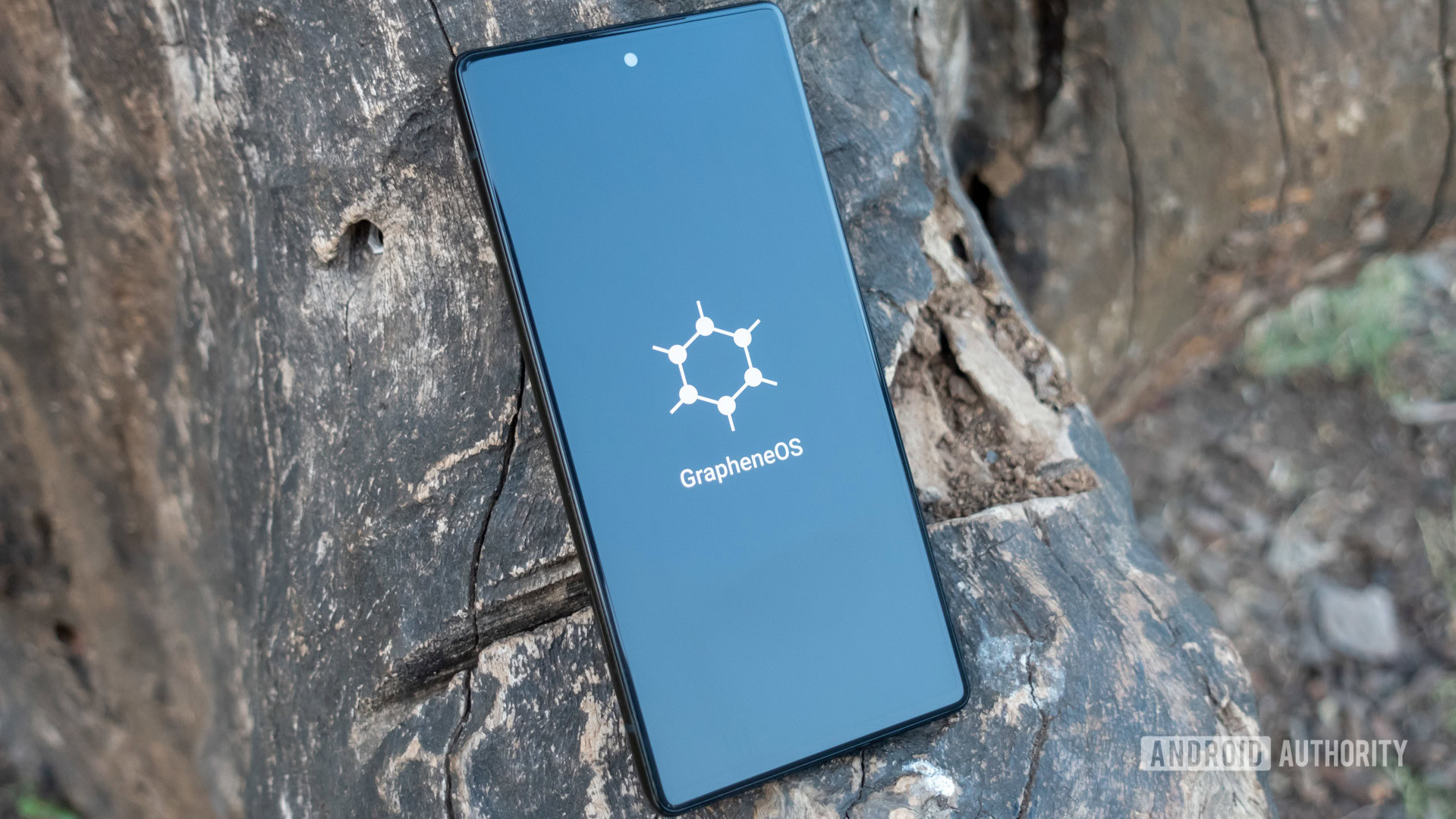
The Future of Secure Android: Why GrapheneOS is Rethinking Hardware
The pursuit of a truly secure Android experience is leading GrapheneOS down a potentially groundbreaking path – exploring new hardware partnerships.This shift signals a growing divergence between grapheneos’s vision of privacy and Google’s approach to Android security. Let’s delve into what this means for you and the future of privacy-focused mobile technology.
The growing Divide in Android Security
For years, GrapheneOS has been a beacon for android users prioritizing security and privacy. It offers a hardened version of Android, stripping away bloatware and implementing robust security features. However, recent changes in google’s strategy are creating friction.
Google is increasingly focused on tighter control over the Android ecosystem, implementing restrictions on sideloading and strengthening Play Integrity enforcement. These moves, while intended to enhance security, simultaneously limit user freedom and control. This is where GrapheneOS and Google are beginning to fundamentally disagree on what a “secure Android” should look like.
Why Pixels have Been the go-To Choice
Despite being a Google product, Pixels have long been the preferred hardware for GrapheneOS.This might seem counterintuitive,but the Pixel‘s open bootloader allows for easy installation of custom roms like GrapheneOS. You gain the ability to seperate the Pixel hardware you desire from the Google software you may not want.
GrapheneOS allows you to run Google apps in a tightly sandboxed environment,preventing the extensive data collection common on standard Android devices.Importantly, GrapheneOS eliminates built-in analytics and telemetry, and ensures transparent, user-initiated updates – no silent background changes.
The Challenge of maintaining Pixel Support
GrapheneOS remains committed to supporting the Pixel 10 series. Though, future support for the Pixel 11 is currently uncertain. Google’s increasing restrictions on sideloading and play Integrity pose important challenges to maintaining long-term compatibility.
This is the core reason behind GrapheneOS’s exploration of new hardware partners. They need a platform that aligns with their security-first philosophy and allows for sustained, unrestricted support.
What a New Hardware Partner Could mean
A partnership with a new hardware manufacturer could be a pivotal moment for privacy-focused Android. It would allow GrapheneOS to collaborate on a device designed from the ground up with security as the primary goal.
Imagine a phone built with a focus on:
* Open-source firmware: Providing complete transparency and auditability.
* Hardware-backed security: Leveraging dedicated security chips for enhanced protection.
* Minimal pre-installed software: Reducing the attack surface and maximizing user control.
* Long-term software support: Ensuring years of security updates and feature enhancements.
The Bigger Picture: A Constrained Android Landscape
The broader Android ecosystem is becoming increasingly restrictive. Google’s tightening grip on the platform limits customization and user choice. In this context, GrapheneOS’s move toward a new hardware partner isn’t just about finding a compatible device.
It’s about preserving the principles of open-source Android and providing users with a genuine alternative - a phone you truly control. This is a significant step toward ensuring that privacy-focused android remains a viable option for those who demand it.
We value your engagement and encourage thoughtful discussion. Please review our Comment Policy before contributing to the conversation.
Related reading